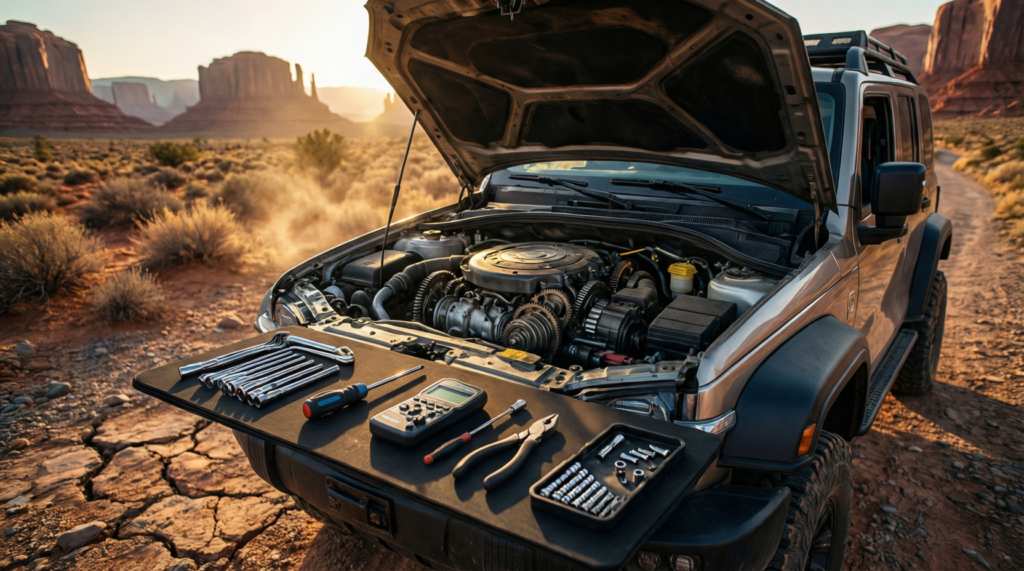






When it comes to trailside clutch cover removal tool kit for Honda SXS Polaris Can Am, getting the right details matters.
- Kimpex 2026 CNC-Machined 7075-T6 Aluminum Clutch Puller & Spreader Set
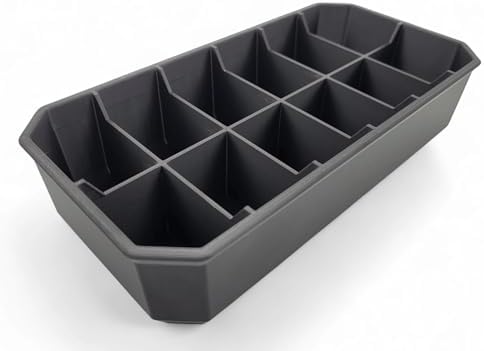
- Milwaukee PACKOUT 2.0 11-Compartment Low-Profile Organizer (Model 48-22-8424)
- BlueDriver 2026 Pro Bluetooth OBD2 Scanner
The Universal Trailside Clutch Cover Removal Tool Kit Fallacy: The 2026 Drivetrain Rescue Blueprint for Polaris, Can-Am, and Honda SXS
The Technical Reality: Drivetrain Failure Sequences & The Honda CVT Mechanical Fallacy
The CVT Catastrophe (Polaris RZR & Can-Am Maverick Defender)
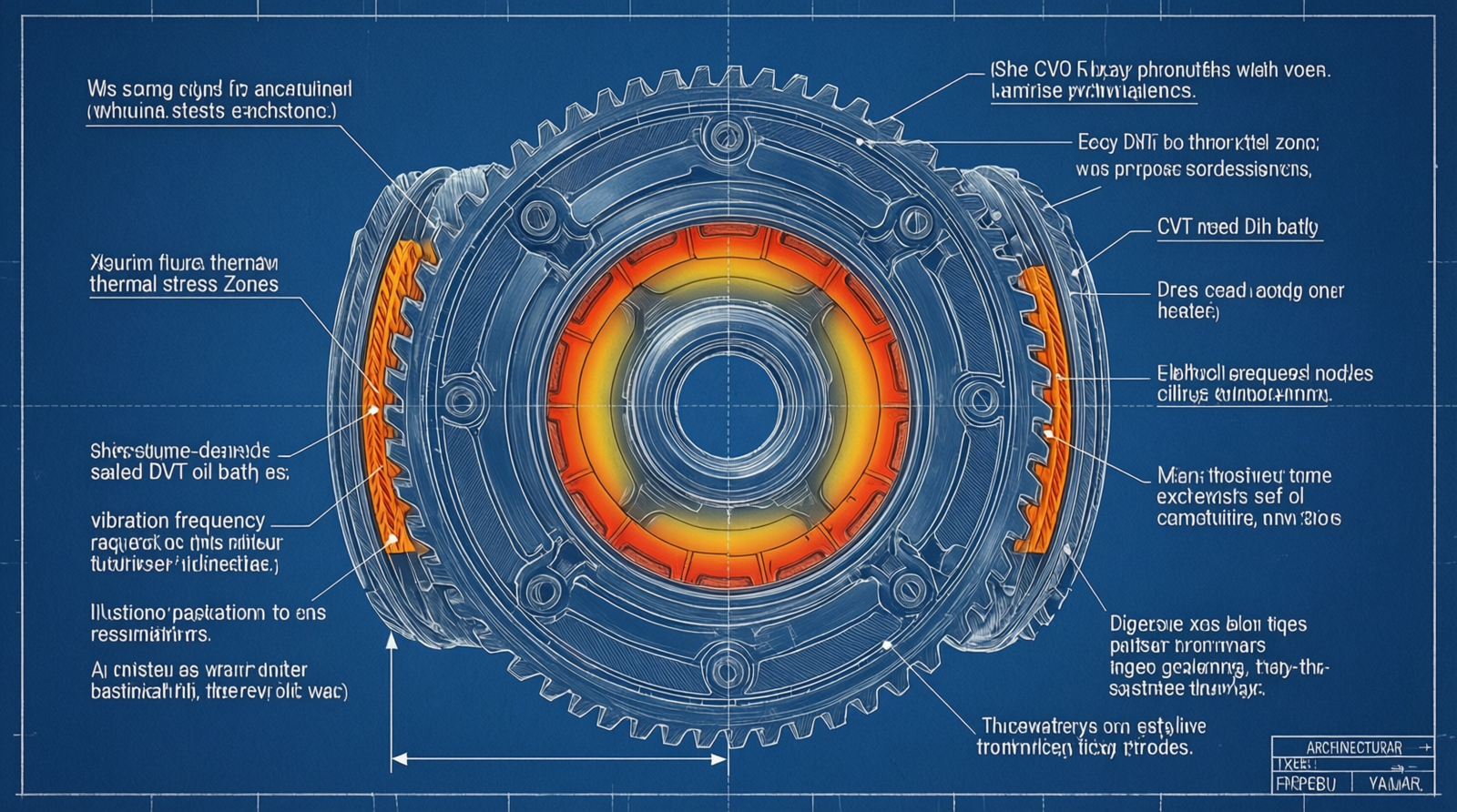
Under high-load, low-speed crawling like winching or rock crawling, the primary clutch sheaves fail to fully engage, causing the belt to ride low and generate extreme friction exceeding 300°F.
For the driver, this intense heat rapidly degrades the rubber matrix and snaps internal Kevlar tensile cords, resulting in sudden forward momentum loss.
Environmental ingestion acts as a secondary failure vector. Compromised CVT intake snorkels easily suck in water and silt, destroying the belt’s friction coefficients.
This contamination makes the belt slip violently as if coated in ice, leading to rapid component wear and unexpected traction loss on steep inclines.
The worst-case scenario involves a mechanical lock. Broken belt fragments wedge tightly between the primary clutch and the crankcase, physically locking the engine or tearing the inner CVT seal.
This causes a catastrophic oil leak that ends your ride instantly and requires complete teardown to resolve.
The DCT Reality Check (Honda Pioneer 1000 / Talon 1000 / Pioneer 520)
Honda utilizes a sealed, oil-bathed Dual-Clutch Transmission with no removable belt cover for routine replacement. Novice owners who waste cargo space on generic Amazon CVT Belt and Tool Kits routinely face forum criticism for this mechanical oversight.
High-frequency trail vibrations between 12Hz and 18Hz combine with water ingress to cause micro-fractures in the wiring harness.
These fractures disrupt signals to the Gear Position Sensor and Shift Solenoids, triggering Limp Mode that locks your vehicle in 1st or 2nd gear and forces a miserable 5 mph crawl home.
Severe bottom-out impacts easily crack factory plastic skid plates, allowing direct rock strikes against the DCT aluminum oil pan.
This physical breach instantly drains hydraulic fluid, causes immediate clutch pack disengagement, and leaves your machine completely dead in the dirt.
The Core Gear Architecture: 2026 High-Ticket Drivetrain Rescue Stacks
The CVT Mechanical Rescue Kit (Polaris & Can-Am)
To fix a CVT on the trail, you need tools that can handle extreme mechanical stress without destroying your machine. Your primary extraction tool must be the Kimpex 2026 CNC-Machined 7075-T6 Aluminum Clutch Puller & Spreader Set. This aerospace-grade aluminum boasts a 73,000 psi yield strength and a 40% weight reduction compared to legacy stamped steel. For the driver, this means the tool will not bend under pressure, and the lighter weight prevents thread galling when screwing it into your delicate crankcase. The kit also includes integrated secondary clutch compression straps rated for 800 lbs of spring tension, allowing you to safely compress the clutch without destroying the sheave bearings. For the consumable replacement, carry a Gates Carbon Drive or OEM Heavy-Duty Aramid CVT Belt specifically fitted for your chassis. Finally, pack a Wiseco CVT Cover Helicoil or Time-Sert Kit with an M6x1.0 thread. When a rookie strips their aluminum crankcase threads, this kit is the only thing that will save the engine block from being replaced.
The DCT Diagnostic & Electrical Rescue Kit (Honda SXS)
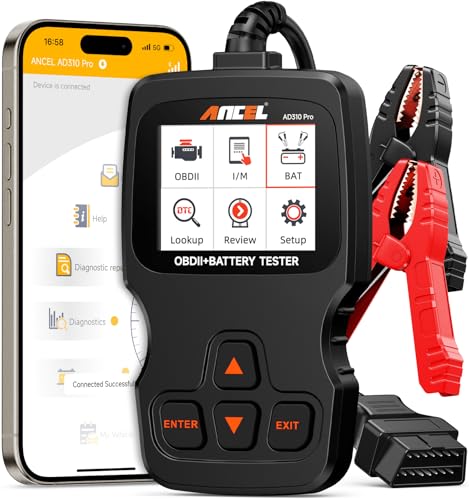
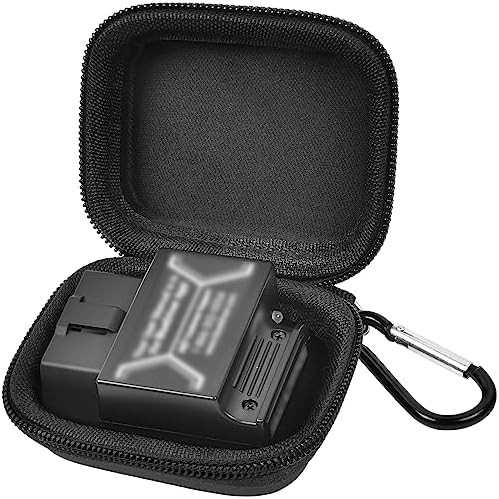
Honda rescues are about electronics and armor, not belts and pullers. Your primary diagnostic tool must be the BlueDriver 2026 Pro Bluetooth OBD2 Scanner or the Ancel AD310 Pro. These scanners read proprietary Honda PGM-FI and DCT-specific ABS and shift solenoid codes. On the trail, this allows you to pinpoint a faulty sensor and perform an ECU reset to clear temporary Limp Mode glitches, getting you back to full power in minutes. For hardware spares, carry OEM Honda DCT Shift Relays (Part # 39794-HL3-A01), spare 10A and 15A mini-fuses, and a Deutsch DT 2-Pin and 3-Pin Connector Repair Kit paired with a portable butane soldering iron. If a wire chafes and breaks, this kit lets you splice and seal the connection right there in the dust. To prevent physical breaches, you must upgrade to a High-Clearance UHMWPE DCT Skid Plate from SuperATV or Pro Armor. This 1/2-inch thick armor offers an impact resistance exceeding 100,000 ft-lbs/in². In plain terms, it will absorb massive rock strikes that would otherwise shatter your DCT oil pan and end your weekend.
Universal Storage & The Gasket Rule Enforcement
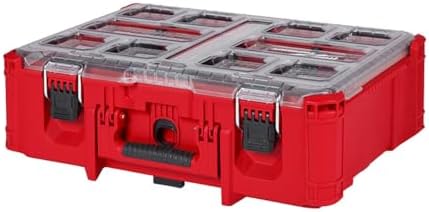
Canvas tool rolls and zippered nylon bags are useless in the backcountry. Fine Moab or Glamis silt penetrates zippers and coats your precision tools in abrasive dust, which then gets transferred directly into your CVT internals during a repair. You must use hard-shell, O-ring sealed boxes. The Milwaukee PACKOUT 2.0 11-Compartment Low-Profile Organizer (Model 48-22-8424) or the Pelican 1450 with Pick-N-Pluck are IP65 rated, meaning they are completely dust-tight and protected against water jets. Because these boxes are rigid, they are vulnerable to shattering. Trail vibrations hit a constant 15Hz, which will bounce a hard-shell box until the latches snap. You must secure the box to your chassis using Retractable Ratchet Straps with a Working Load Limit of 500 lbs to dampen the vibration and keep the latches intact.
The Technical Setup Blueprint: Exact Specs, Torques, and Trailside Execution
CVT Disassembly & Reassembly Protocols (Polaris/Can-Am)
When removing a CVT cover, fastener selection is critical. Polaris typically uses 8mm hex or T30 Torx bolts, while Can-Am uses 8mm, 10mm hex, or T40 Torx. You must strictly use 6-point deep sockets and S2-steel or Chromium-Molybdenum Torx bits. Using cheap 12-point sockets will instantly round off these heat-cycled, alkaline-dusted bolts, turning a 20-minute belt swap into a 4-hour extraction nightmare. Never use a $20 stamped-steel clutch puller. Under high torque, cheap steel bends and strips the crankcase threads. Always verify your thread pitch before pulling: Polaris usually requires M12 x 1.5 or M14 x 1.5, while Can-Am often requires a 3-jaw puller or an M10 x 1.5 proprietary bolt. When spreading the secondary clutch, never use screwdrivers to pry it open. The spring exerts 150 to 250 lbs of force, and prying it will destroy the sheave bearings. Use the 800-lb rated compression straps instead. During reassembly, CVT cover bolts must be torqued to exactly 8 to 10 ft-lbs. Overtightening will strip the aluminum crankcase threads instantly. You must carry a 1/4-inch drive inch-pound torque wrench with a 0-200 in-lbs scale to get this right.
DCT Trailside Service & Electrical Protocols (Honda)
Check out our off-road collection Amazon products
Honda trailside service requires a delicate touch with external sensors. The Gear Position and Speed Sensors are held in by 10mm hex bolts that must be torqued to exactly 7 to 9 ft-lbs. This keeps the sensor firmly seated without cracking the delicate DCT housing. If you need to check the DCT fluid, the fill plug requires a 12mm or 17mm hex socket and must be torqued to 22 to 25 ft-lbs. If you are removing the skid plate for an impact inspection, the 12mm and 14mm skid plate bolts must be torqued to 25 to 30 ft-lbs upon reinstallation. For harness repairs, use the IWISS SN-28B Deutsch connector crimping tool alongside heat-shrink solder sleeves. This combination creates a factory-grade, waterproof seal, ensuring your trailside electrical repair doesn’t short out the moment you hit the next water crossing.
Universal Chemical & Fastener Arsenal
To prevent galvanic corrosion, you must apply Copper or Nickel Anti-Seize to all CVT cover bolts. This stops the steel bolts from chemically welding themselves to the aluminum crankcase over time. For vibration locking, apply Blue Loctite 243 to all skid plate and chassis bolts to keep them from backing out on washboard roads. Finally, ensure your kit includes 4mm, 5mm, 6mm, and 8mm Hex and Allen keys, preferably with T-handles for maximum leverage in tight spaces.
Field Verdict & Operational ROI: The Cost of Drivetrain Stranding
The ROI of Precision vs. The Cost of Good Enough
Relying on generic, universal kits is a fast track to financial and operational ruin. Using stamped steel pullers leads to stripped crankcases. Using 12-point sockets leads to rounded bolts. And buying a CVT belt kit for a Honda DCT is just a waste of money and space. The cost of a tow truck, a recovery operation, and a replacement engine block will always dwarf the cost of proper tools. Investing in CNC-machined 7075-T6 tools, IP65 sealed storage, and architecture-specific diagnostic gear is not an expense; it is mandatory insurance. It guarantees trailside self-reliance when you are 40 miles from the nearest paved road. Audit your current UTV cargo box today. Throw out the canvas rolls, ditch the stamped steel, and build the architecture-specific rescue stack. Your machine, and your riding buddies, will thank you.
Drivetrain Architecture Comparison & Torque Specifications
System TypePrimary Failure ModeEssential Diagnostic ToolFastener Torque RangeStorage Requirement
Polaris CVTBelt degradation & thermal lockNone required (mechanical focus)8-10 ft-lbs (Cover Bolts)https://www.youtube.com/watch?v=A3hqpNG49IEIP65 Hard Shell
Can-Am CVTSilt ingestion & seal rupture
Recommended Insights From Our Guide Library:
- Can-Am Commander vs General XP: The 2026 Crossover Showdown (And Why Honda Owners Should Care)
- Unleash Your UTV’s Power: A Comprehensive Clutch Kit Installation Guide – Pioneer Honda Lovers
- Trailside Repair Kits: Must-Have Tools for Your Honda Pioneer
- Mojave Off-Road Adventures: Desert Trails with Honda Power
- The Ultimate Guide to the Lowest Maintenance UTV Brands 🛠️ – Pioneer Honda Lovers
None required (mechanical focus)8-10 ft-lbs (Cover Bolts)IP65 Hard Shell
Honda DCTElectronic limp mode & harness fractureBlueDriver 2026 Pro Bluetooth OBD2 Scanner7-9 ft-lbs (Sensors) / 22-25 ft-lbs (Fill Plug)IP65 Hard Shell
Fastener & Hardware Selection Matrix
ComponentRecommended SpecificationAvoidTraction Consequencehttps://www.youtube.com/watch?v=8jrqMABldjk
CVT PullerCNC 7075-T6 Aluminum Kimpex 2026 CNC-Machined 7075-T6 Aluminum Clutch Puller & Spreader SetStamped Steel GenericsPrevents crankcase thread stripping
Check out our off-road collection Amazon products
Sockets6-Point Deep S2-Steel or Chrom-Moly12-Point Chrome VanadiumMaintains bolt head integrity
Tool StorageO-Ring Sealed Milwaukee PACKOUT 2.0 11-Compartment Low-Profile Organizer (Model 48-22-8424)Canvas Rolls / Nylon BagsBlocks abrasive silt infiltration
Harness RepairIWISS SN-28B Crimp + Heat-Shrink SleevesElectrical Tape / Wire NutsEnsures waterproof circuit continuity
Community Reference & Authority Resources:
- 850 Touring – belt cover removal? | Polaris ATV Forum
- Removing Belt Cover Help | Polaris ATV Forum
- Belt hitting clutch cover cover | Polaris ATV Forum
You have just reached the exact moment where theory meets the dirt. This post was about dismantling the dangerous myth of the universal trailside clutch cover removal tool kit for Honda SXS, Polaris, and Can-Am, and replacing it with hard, architecture-specific mechanical truths. We covered the thermal realities of CVT belt failures, the electronic vulnerabilities of Honda’s DCT systems, and the exact torque specs, part numbers, and tools required to fix them. You now know exactly what to pack, how to use it, and why good enough tools will leave you stranded. Pack smart, torque to spec, and keep the rubber side down.
🔍 Explore More: See all Wild Testing guides for trailside clutch cover removal tool kit for Honda SXS Polaris Can Am.
Check out our off-road collection Amazon products