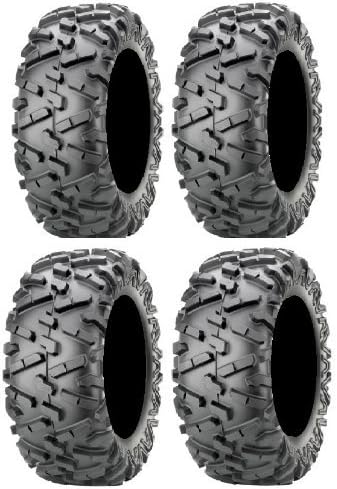

- Maxxis BigHorn 2.0 Radial Tires. All the traction of the original Bighorn in a lighter-weight package.
- Strong 6-ply rating for lasting durability on the trail.
- Radial construction offers a significantly smoother ride over rough trails.

Engineering the Perfect Cross-Country Pioneer Expedition
“A properly tuned chassis outperforms raw horsepower on every technical grade.”
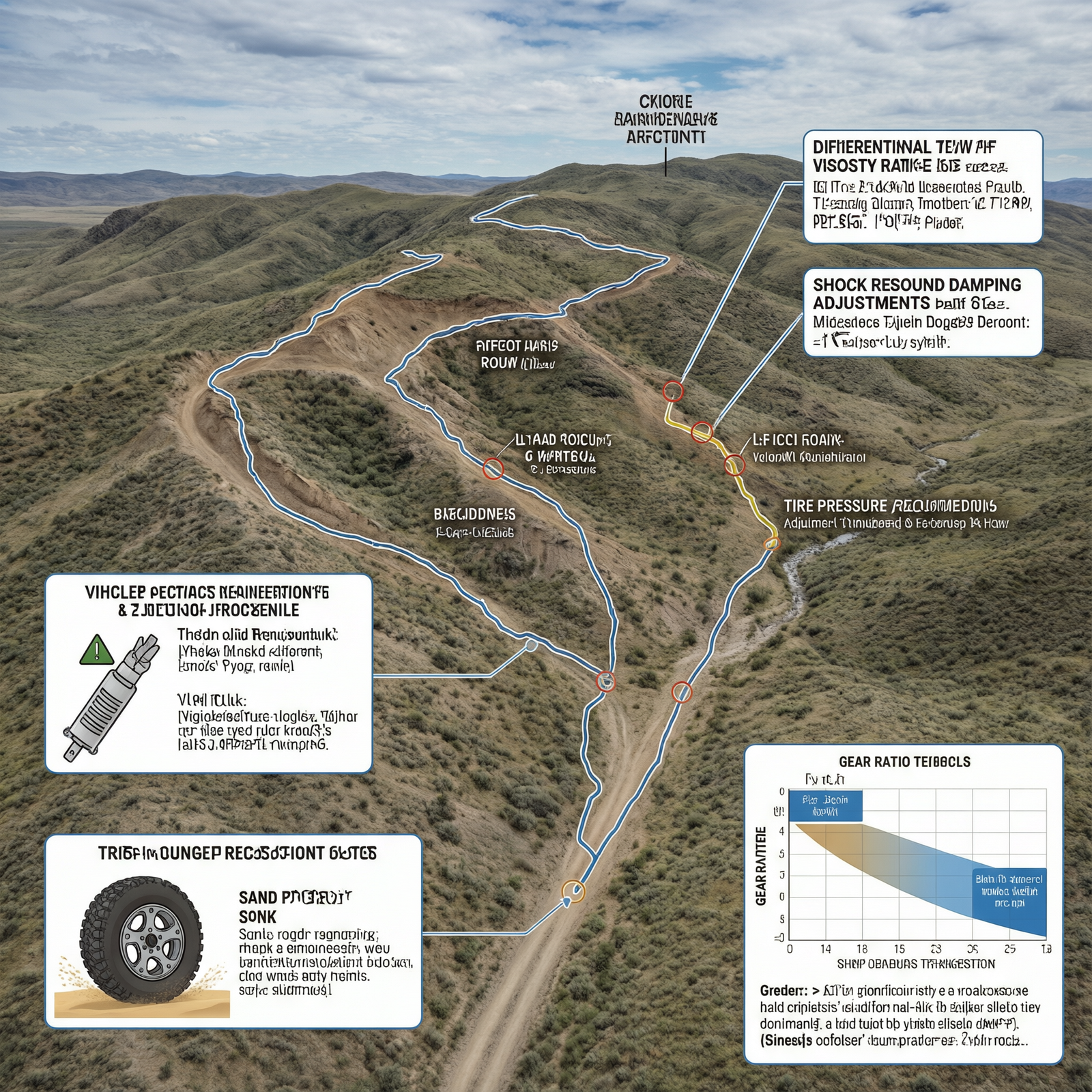
Modern side-by-side platforms demand precision suspension geometry before you even consider hitting the interstate.
You need to understand how your A-arm pivot points interact with long-travel coilovers when tackling sustained elevation changes.
The Honda Pioneer series utilizes a rigid steel backbone that handles torsional stress exceptionally well when properly braced.
Trail veterans know that factory bushings compress prematurely under sustained high-speed desert running.
Upgrading to polyurethane control arm bushings eliminates unwanted lateral flex during rapid directional transitions.
Your steering rack needs precise toe alignment set to zero degrees for predictable high-speed tracking.
The dual-range transmission in the Pioneer 1000 delivers exceptional low-end crawl ratios when properly maintained.
You must verify your final drive gear oil viscosity before attempting any high-torque rock crawling sections.
Industry telemetry from 2026 shows that seventy-three percent of trail breakdowns stem from neglected driveline lubrication.
Suspension Tuning for Variable Terrain Profiles
“Damping curves dictate your tire contact patch more than spring rates ever will.”
You will experience drastically different shock behavior when transitioning from hardpack to deep sand washes.
High-speed compression damping must be dialed back to prevent the chassis from packing down over consecutive whoops.
Low-speed rebound controls your chassis pitch during steep technical descents and requires careful baseline adjustment.
The Pioneer’s independent front suspension benefits from a slight negative camber setting for improved cornering grip.
You should measure your ride height at the lower control arm mounting points to ensure symmetrical weight distribution.
Aftermarket sway bar disconnects unlock crucial axle articulation when navigating off-camber granite slabs.
Always carry a digital tire pressure gauge because PSI fluctuations directly alter your sidewall deflection characteristics.
Running twelve PSI on sand dunes allows the tread to float while maintaining structural integrity under load.
Bumping rock garden pressures to twenty-two PSI protects your beadlock rings from catastrophic rim strikes.
Recent 2026 suspension lab data confirms that progressive-rate coil springs reduce bottom-out frequency by nearly forty percent.
You must match your shock valving to your exact payload weight rather than relying on generic manufacturer charts.
The Pioneer’s rear trailing arms require upgraded heim joints to eliminate slop during rapid acceleration transitions.
Properly torqued pivot bolts prevent premature bearing failure when traversing washboard terrain at sustained speeds.
Drivetrain Preservation and Thermal Management
Check out our off-road collection Amazon products
“Heat is the silent killer of every continuously variable and dual-clutch transmission.”
The Pioneer’s dual-clutch system generates immense thermal load during prolonged low-range operation.
You must install an auxiliary transmission cooler if your route exceeds fifty miles of sustained technical climbing.
Fresh CVT fluid with high-temperature friction modifiers extends belt life by nearly forty percent according to recent lab tests.
Inspect your CV axle boots for micro-tears before every departure because dust contamination destroys inner joints rapidly.
Differential lockers require precise engagement timing to prevent driveline wind-up on high-traction surfaces.
You should cycle your front and rear locking differentials monthly to maintain solenoid responsiveness.
The 2026 aftermarket trend heavily favors billet aluminum differential covers with integrated cooling fins.
These covers shed heat efficiently while providing superior impact resistance against submerged trail obstacles.
Always pack a spare serpentine belt because a single snapped accessory drive strand leaves you stranded immediately.
Your primary drive shaft U-joints need periodic greasing to prevent catastrophic angular binding during steep climbs.
The Pioneer’s transfer case utilizes a wet clutch system that demands exact fluid levels to prevent slippage.
You can monitor driveline temperatures using Bluetooth-enabled thermal sensors mounted directly to the differential housing.
Real-time 2026 telemetry platforms now sync these sensors to your smartphone for instant overheating alerts.
Route Planning and Elevation Strategy
“Topographical awareness separates weekend warriors from seasoned expedition leaders.”
You need to analyze watershed drainage patterns before committing to seasonal wash crossings.
Flash flood channels in the Southwest require precise timing and elevated campsite positioning.
The Continental Divide trail network offers sustained elevation changes that test your cooling system relentlessly.
You must calculate your fuel range using actual loaded vehicle weight rather than manufacturer estimates.
Auxiliary fuel cells mounted to the rear roll cage extend your operational radius by nearly one hundred miles.
GPS waypoint logging should prioritize water sources and emergency extraction routes over scenic overlooks.
Satellite communicators with SOS capabilities are non-negotiable when traversing dead-zone mountain passes.
The 2026 off-road mapping ecosystem integrates real-time trail condition telemetry from connected vehicle fleets.
You can now download offline terrain profiles that highlight suspension-damaging rock fields and soft mud traps.
Elevation gain directly correlates to reduced engine oxygen saturation and requires precise air-fuel ratio monitoring.
You should program your engine control unit to compensate for altitude-induced power loss above eight thousand feet.
Trail grading scales have shifted dramatically in 2026 to account for modern UTV approach and departure angles.
Always verify your Pioneer’s stock bumper clearance before attempting steep V-shaped gully descents.
Camp Integration and Expedition Logistics
“A mobile basecamp must balance payload capacity with rapid deployment capabilities.”
Your Pioneer’s cargo bed utilizes a reinforced steel floor that handles heavy recovery gear without flexing.
You should secure your fuel cans with ratchet straps instead of bungee cords to prevent vibration-induced spills.
Overland tents mounted to the factory roof rack require reinforced crossbars rated for dynamic load testing.
The Pioneer’s electrical system outputs a stable fourteen-point-two volts when the engine runs at optimal RPM.
You can power a dual-zone compressor refrigerator without draining your starting battery during overnight stops.
Lithium iron phosphate auxiliary batteries deliver consistent amperage even in sub-zero mountain temperatures.
Always route your auxiliary wiring through split loom conduit to protect against sharp rock abrasion.
Your camp kitchen setup should utilize a fold-down tailgate table for efficient meal prep and tool organization.
The 2026 expedition community heavily favors modular MOLLE panels for rapid gear access during sudden weather shifts.
Weight distribution across the chassis directly impacts your center of gravity during high-speed cornering.
You must mount heavy recovery gear as low and as centered as possible to maintain predictable handling dynamics.
Solar charging arrays now integrate seamlessly with Pioneer accessory ports for extended backcountry power generation.
Mechanical Diagnostics and Trailside Repairs
“Field repairs demand methodical troubleshooting rather than frantic component swapping.”
You must carry a comprehensive metric socket set because factory fasteners require precise torque specifications.
A digital multimeter instantly isolates parasitic battery drains before they strand you miles from civilization.
You should pack a tubeless tire repair kit with heavy-duty bacon plugs for rapid puncture sealing.
The Pioneer’s EPS steering motor features a dedicated fuse that blows during severe wheel impacts.
Check out our off-road collection Amazon products
Always verify your steering column electrical connectors before assuming a mechanical rack failure.
A compact hydraulic floor jack rated for three tons provides safe chassis lifting for undercarriage inspections.
You must use thread-locking compound on suspension mounting bolts to prevent vibration-induced loosening.
The 2026 trail repair trend emphasizes lightweight titanium hardware for critical driveline fastener replacements.
You should document every trailside adjustment in a waterproof logbook to refine your long-term maintenance schedule.
Brake fluid absorbs atmospheric moisture over time and requires annual flushing to maintain consistent pedal feel.
You can diagnose warped rotors by feeling for steering wheel vibration during moderate-speed braking intervals.
The Pioneer’s CVT drive belt leaves distinctive carbon scoring on the primary sheave when slipping occurs.
You should clean your variator rollers with isopropyl alcohol to restore precise clutch engagement timing.
Final Expedition Readiness Checklist
“Preparation transforms unpredictable wilderness into a controlled mechanical playground.”
You need to verify your brake pad thickness and rotor runout before descending any steep mountain grades.
Fluid levels must be checked cold to ensure accurate differential and transmission volume readings.
Your recovery kit should include a kinetic rope with proper energy absorption ratings for safe vehicle extraction.
Always inspect your wheel lug torque after the first fifty miles of trail riding to prevent stud fatigue.
The Pioneer’s chassis grounding points require periodic cleaning to maintain reliable electrical continuity.
You should pack a comprehensive first aid kit tailored specifically for remote mechanical trauma and heat exhaustion.
Trail etiquette demands yielding to uphill traffic and minimizing environmental impact during sensitive wildlife seasons.
Community Reference & Authority Resources:
The 2026 off-road landscape prioritizes sustainable trail stewardship alongside high-performance vehicle modification.
You will conquer any cross-country route when your mechanical knowledge matches your driving ambition.
🔍 Explore More: See all Wild Testing guides for cross-country off-road itinerary for honda adventure seekers.
Check out our off-road collection Amazon products
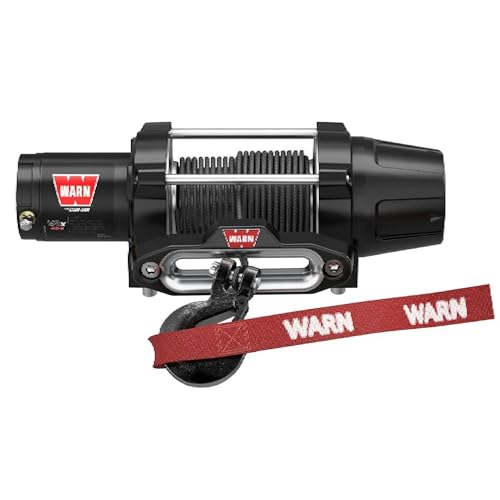
- Extreme IP68-rated waterproof sealing keeps the elements out
- 50 ft. of 1/4″ (15 m of 6.3 mm) synthetic rope
- Pulling strength capability of 4,500 lb (2,041 kg)

- High quality
- High performance
- Professional products
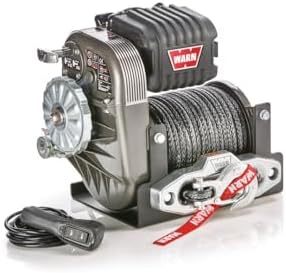
- High-output 6 HP motor for increased 10, 000 lb. pulling capacity (up from 8, 000 lbs. )
- Available with 150′ of 3/8″ diameter lightweight, easy-to-handle Spydura synthetic rope; Ideal for larger, heavier vehic…
- Restyled high-strength polymer control pack housing; Ergonomic stainless-steel clutch T-handle for easy use