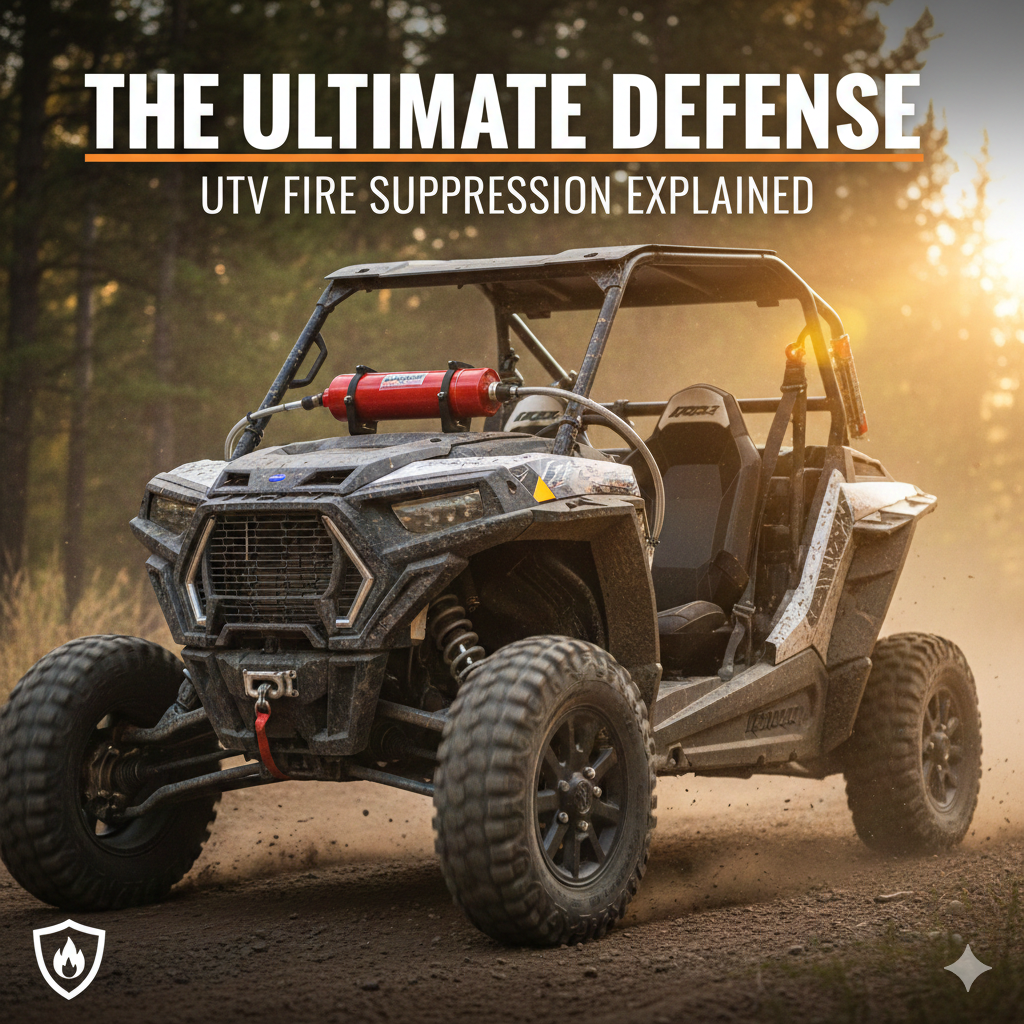
The risk of fire is an unfortunate reality in the world of high-performance off-roading. From superheated exhaust components igniting dry brush to electrical shorts and fuel leaks, a UTV fire can start and spread with terrifying speed. In the remote backcountry, where emergency services are hours away, a few seconds is all you have to react. This is why UTV fire suppression installations are arguably the most critical safety upgrade you can make.
Moving beyond a simple, handheld extinguisher tossed in the bed, modern fire suppression systems offer a layered defense that can automatically detect and extinguish a fire in the engine bay or provide immediate access to a powerful manual extinguisher for the cabin. This technology is a non-negotiable for competitive racers and a wise investment for every serious recreational rider.
I’ve seen too many machines reduced to ash because the owner didn’t have the right equipment or couldn’t reach it in time. This comprehensive guide will walk you through the different types of fire suppression available, the best agents for UTV fires, and the critical best practices for installation to ensure your ultimate defense is ready when you need it most.
Phase 1: Understanding UTV Fire Risks and Extinguisher Types
Before installing a system, you must understand the common causes of UTV fires and the specific types of extinguishers designed to combat them.
Common UTV Fire Hazards
- Engine Bay: Overheating, fuel leaks, and electrical shorts are the primary culprits here. The proximity of hot exhaust manifolds to fuel lines and wiring makes this area highly vulnerable.
- Dry Debris: In dry conditions, hot exhaust or catalytic converters can ignite grass, leaves, or other debris that accumulates under the UTV.
- Brake Fires: Extreme braking in racing or aggressive trail riding can cause brake fluid to boil and ignite.
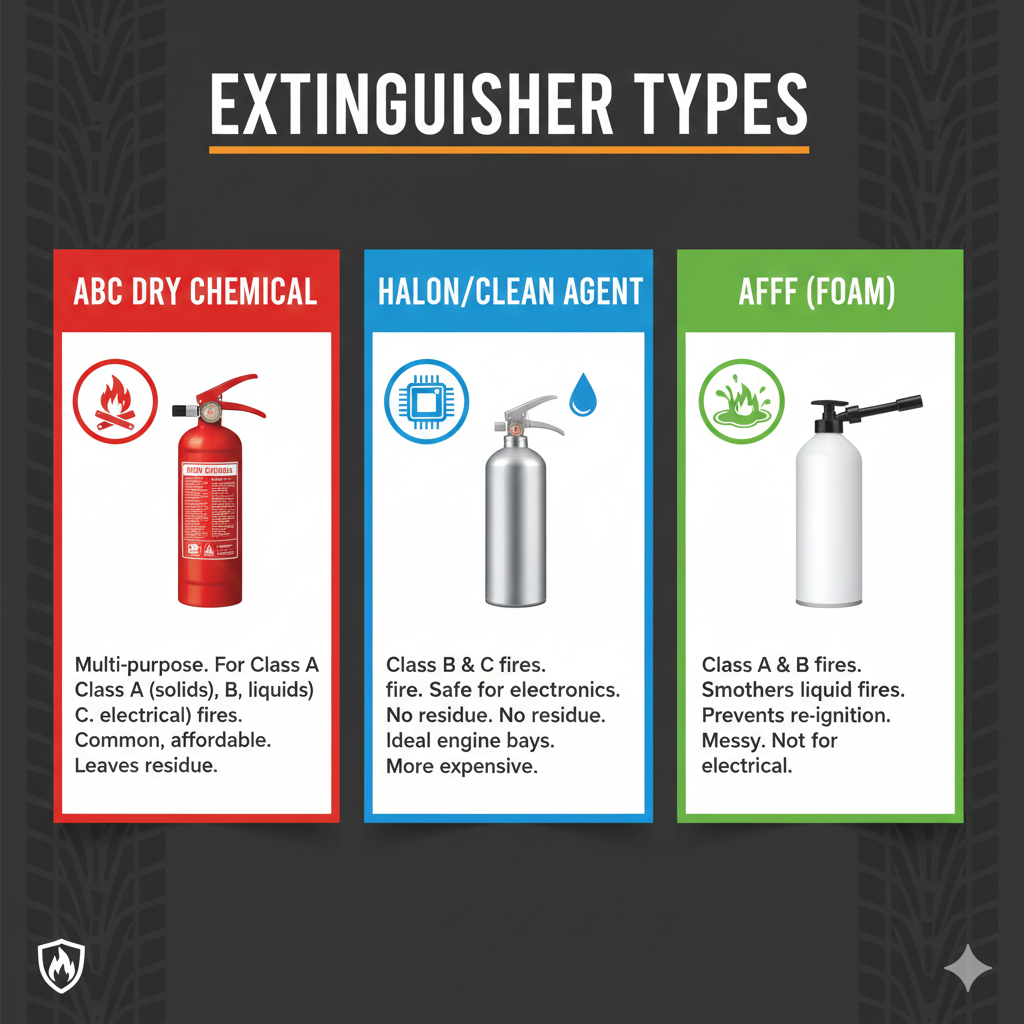
Choosing the Right Extinguishing Agent
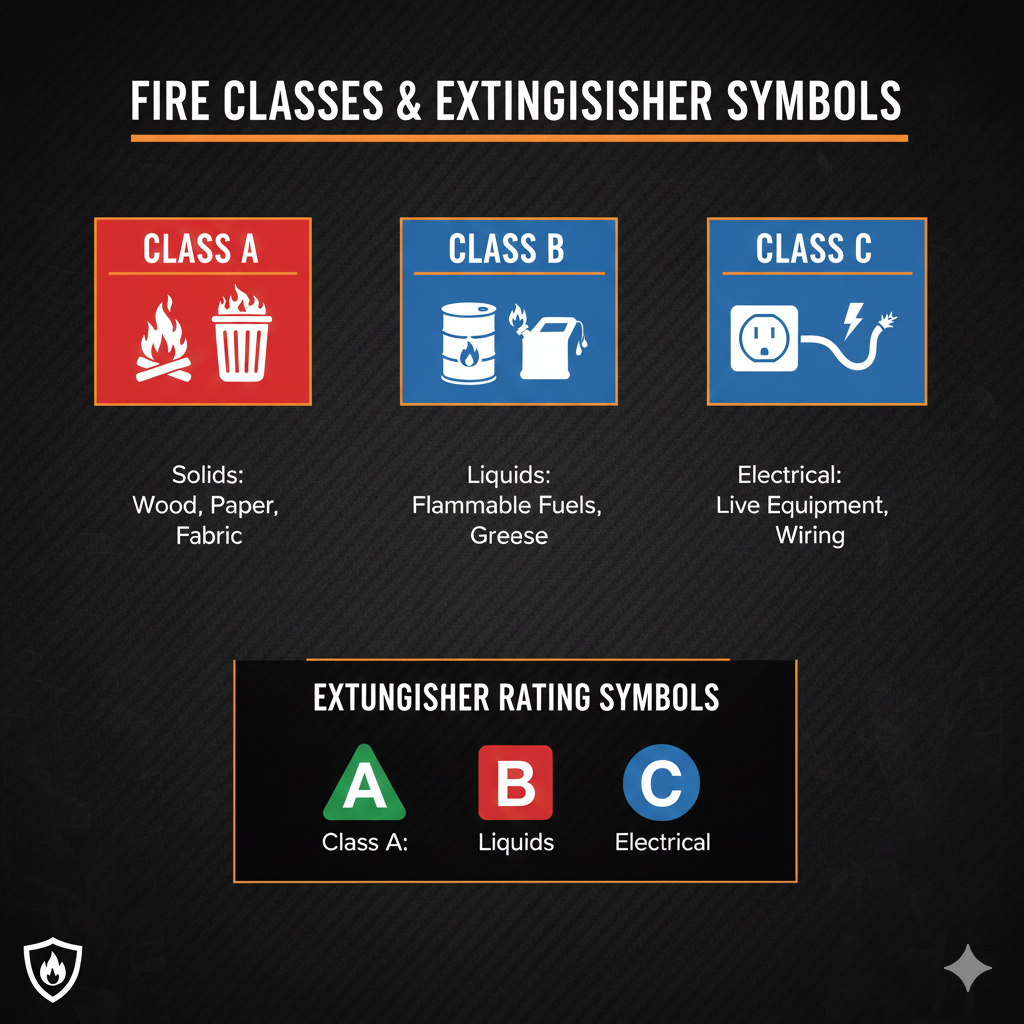
Fire extinguishers are classified by the type of fire they are designed to put out. UTV fires typically involve Class A (ordinary combustibles), Class B (flammable liquids), and Class C (electrical equipment).
| Agent Type | Fire Class | Pros for UTV Use | Cons for UTV Use |
|---|---|---|---|
| ABC Dry Chemical | A, B, C | Widely available, inexpensive, multi-purpose. | Leaves a corrosive, messy residue that can damage electronics and engine components. |
| Halon/Halotron | B, C | Clean agent, leaves no residue, safe for electronics. | Expensive, less effective on Class A fires, Halon is ozone-depleting (Halotron is a safer alternative). |
| AFFF Foam | A, B | Excellent for fuel fires, cooling effect. | Messy, can freeze in cold climates, not ideal for electrical fires. |
| Clean Agent (e.g., FE-36) | B, C | Excellent for engine bays, non-conductive, no residue. | Higher cost, requires specialized systems. |
For the UTV cabin, a Halotron or Clean Agent is often preferred due to the lack of residue, which minimizes damage to electronics and is safer for the occupants. For the engine bay, a dedicated Clean Agent or Automatic Tube System is ideal.
Phase 2: Manual vs. Automatic Suppression Systems
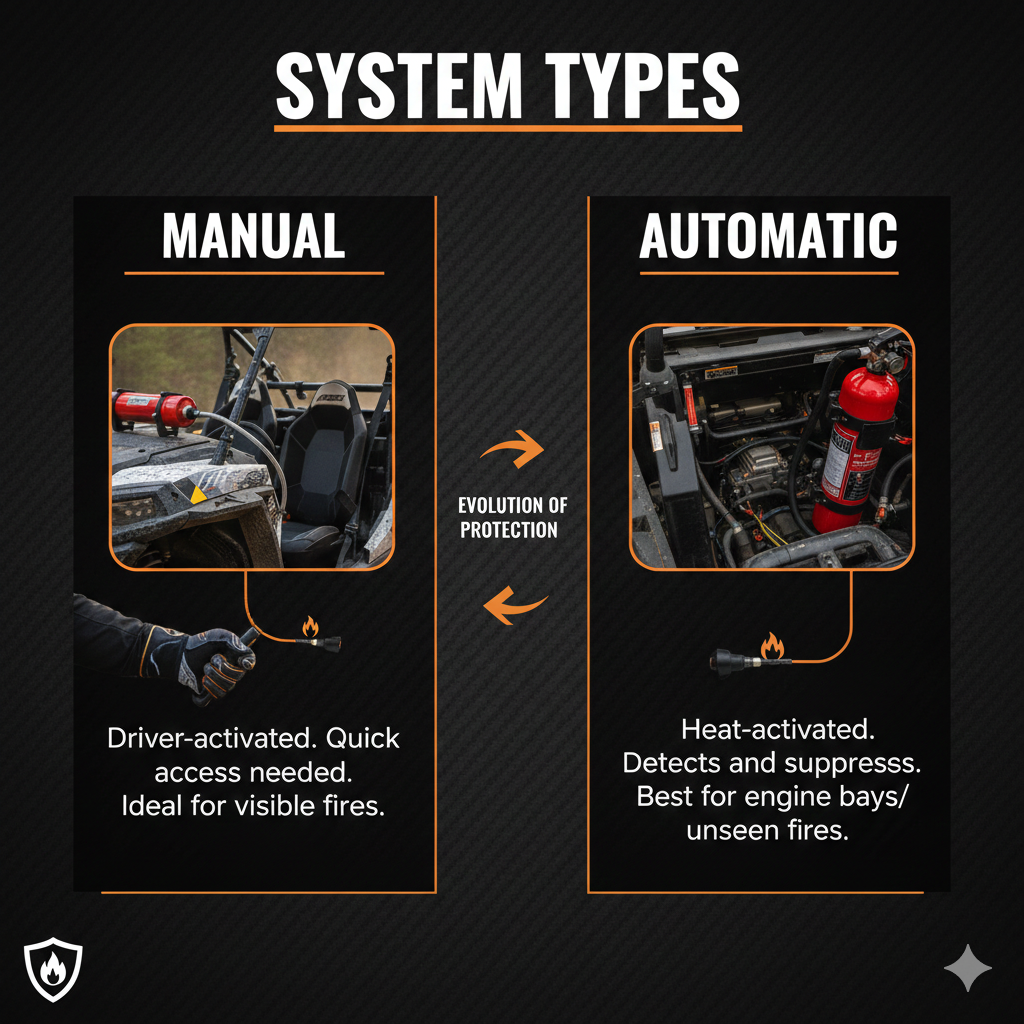
UTV fire suppression installations fall into two main categories, each serving a distinct purpose in your overall safety plan.
1. Manual Fire Extinguisher (The Immediate Response)
Every UTV should have at least one high-quality, manual fire extinguisher accessible to the driver and passengers.
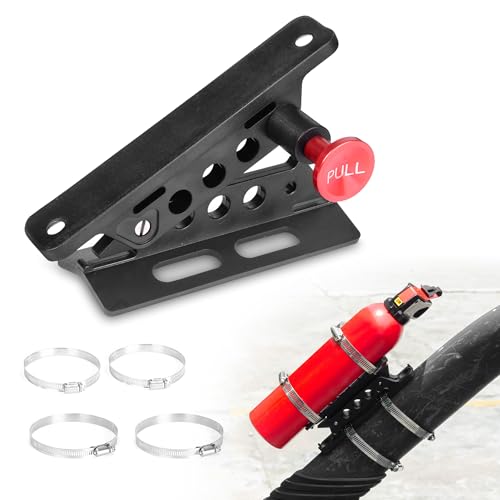
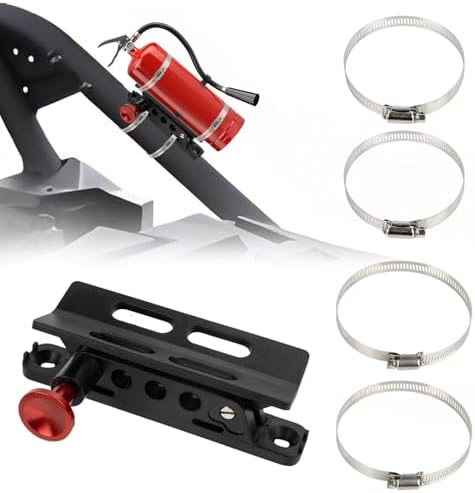
- Quick-Release Mount: The most critical component is the mount. It must be rugged enough to withstand extreme vibration and jarring without releasing, yet allow for a lightning-fast, one-handed release in an emergency. Look for quick-release mounts made from durable billet aluminum.
- Mounting Location: The extinguisher must be mounted within arm’s reach of the driver. Common locations include the roll cage near the driver’s head, the center console, or the crossbar behind the seats. Never mount it in the bed or a storage box where it cannot be accessed instantly.
2. Automatic Fire Suppression System (The Engine Bay Guardian)
Automatic systems are designed to protect the most vulnerable area—the engine and fuel compartment—without any human intervention.
- Thermal Activation: These systems use a heat-sensitive element (a thermal bulb or a specialized tube) that bursts when the temperature reaches a critical point (e.g., 175°F or 200°F).
- Agent Delivery: Once activated, the system automatically discharges the clean agent (often a Halotron or similar non-residue agent) directly into the engine bay, suppressing the fire at its source.
- Tube-Style Systems: A popular and cost-effective option is the tube-style system, which is a flexible tube filled with the extinguishing agent. When the tube melts from the heat of the fire, the agent is released. These are easy to install and ideal for smaller, enclosed areas like the engine compartment.
Phase 3: Installation Best Practices for Maximum Effectiveness
A fire suppression system is only as good as its installation. Follow these best practices for your UTV fire suppression installations.
1. Strategic Mounting Locations
- Manual Extinguisher: As mentioned, within arm’s reach of the driver. The mount should be secured to a structural part of the roll cage, not plastic trim.
- Automatic System: The thermal sensor or tube must be placed directly over the highest-risk areas: near the fuel lines, the exhaust manifold, and the battery/electrical components. Ensure the discharge nozzles (if applicable) are aimed at these hot spots.
2. System Maintenance and Inspection
Fire suppression systems are not “install and forget” items. Regular maintenance is crucial.
- Pressure Check: For pressurized extinguishers (manual and some automatic), check the pressure gauge regularly. If the needle is not in the green zone, the extinguisher needs to be serviced or replaced.
- Mount Integrity: After every hard ride, check the quick-release mount for any signs of loosening, cracking, or wear caused by vibration.
- Agent Expiration: Extinguishing agents have a shelf life. Check the manufacturer’s recommendations for when the agent needs to be replaced or the unit serviced.
3. Training and Preparedness
The best system in the world is useless if the occupants don’t know how to use it.
- PASS Method: Train all regular riders on the P.A.S.S. method for using a manual extinguisher: Pull the pin, Aim at the base of the fire, Squeeze the handle, and Sweep from side to side.
- Emergency Egress: Practice emergency egress from the UTV, especially with harnesses and nets. In a fire, every second counts.
| System Type | Inspection Frequency | Key Maintenance Point |
|---|---|---|
| Manual Extinguisher | Monthly | Check pressure gauge and quick-release mount integrity. |
| Automatic System | Quarterly | Inspect thermal sensor/tube for damage; check agent expiration date. |

Conclusion: Invest in Protection, Not Just Performance
The decision to invest in UTV fire suppression installations is a decision to prioritize safety over all else. While performance upgrades are fun, nothing is more important than protecting the lives of your passengers and the significant investment you’ve made in your machine.
Whether you opt for a simple, accessible manual extinguisher or a sophisticated, multi-point automatic system, the goal is the same: to stop a fire before it becomes a catastrophe. Don’t wait until you smell smoke to realize you need this essential defense.
Ride hard, but ride protected.
References
[1] MotorTrend – One-Hour Wonder: Installing A Safecraft UTV Automatic Fire Suppression System
[2] UTV Driver – Buyers Guide: UTV Fire Extinguishers And Mounts
[3] Side By Side Fury – Essential Guide: UTV Fire Extinguishers For Safety
[4] Speedway Motors – How To Install a Fire Suppression System
[5] UTV Driver – Automatic Fire Suppression Systems For Your UTV