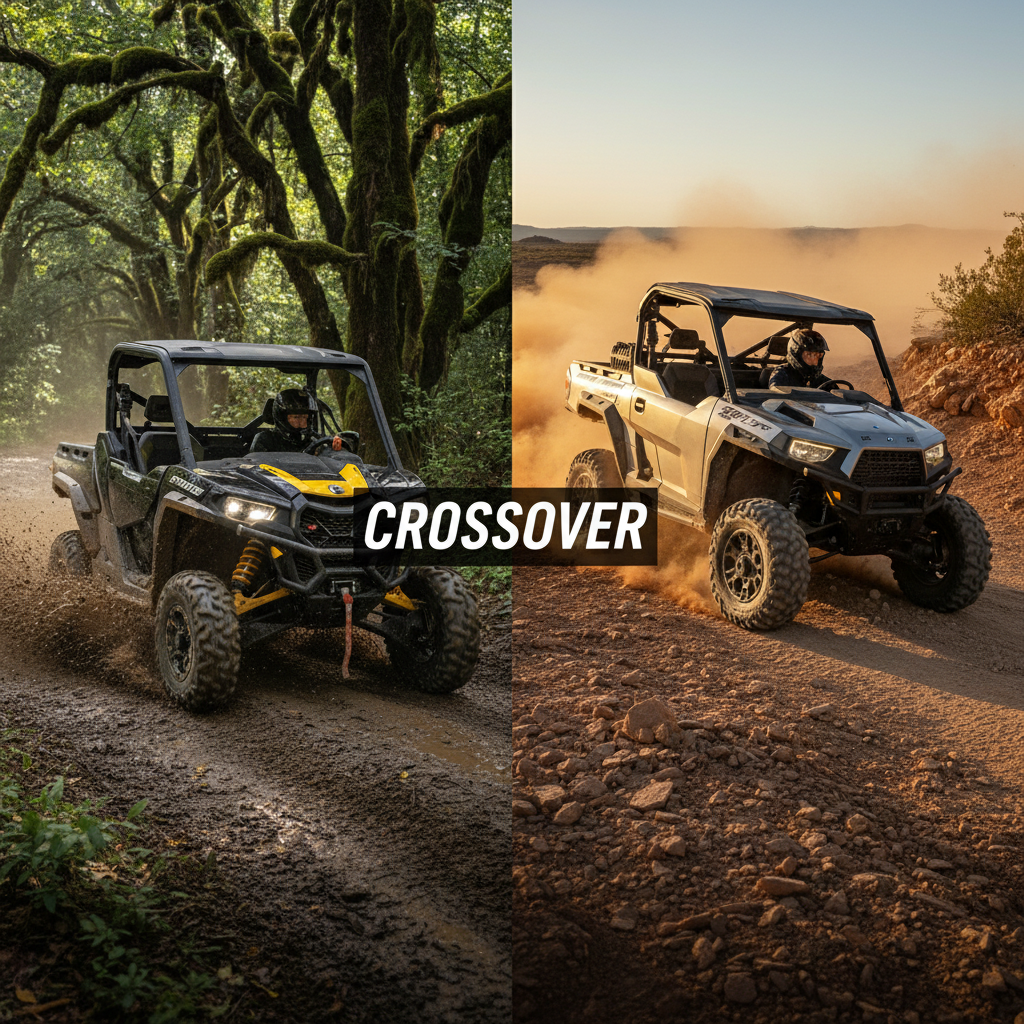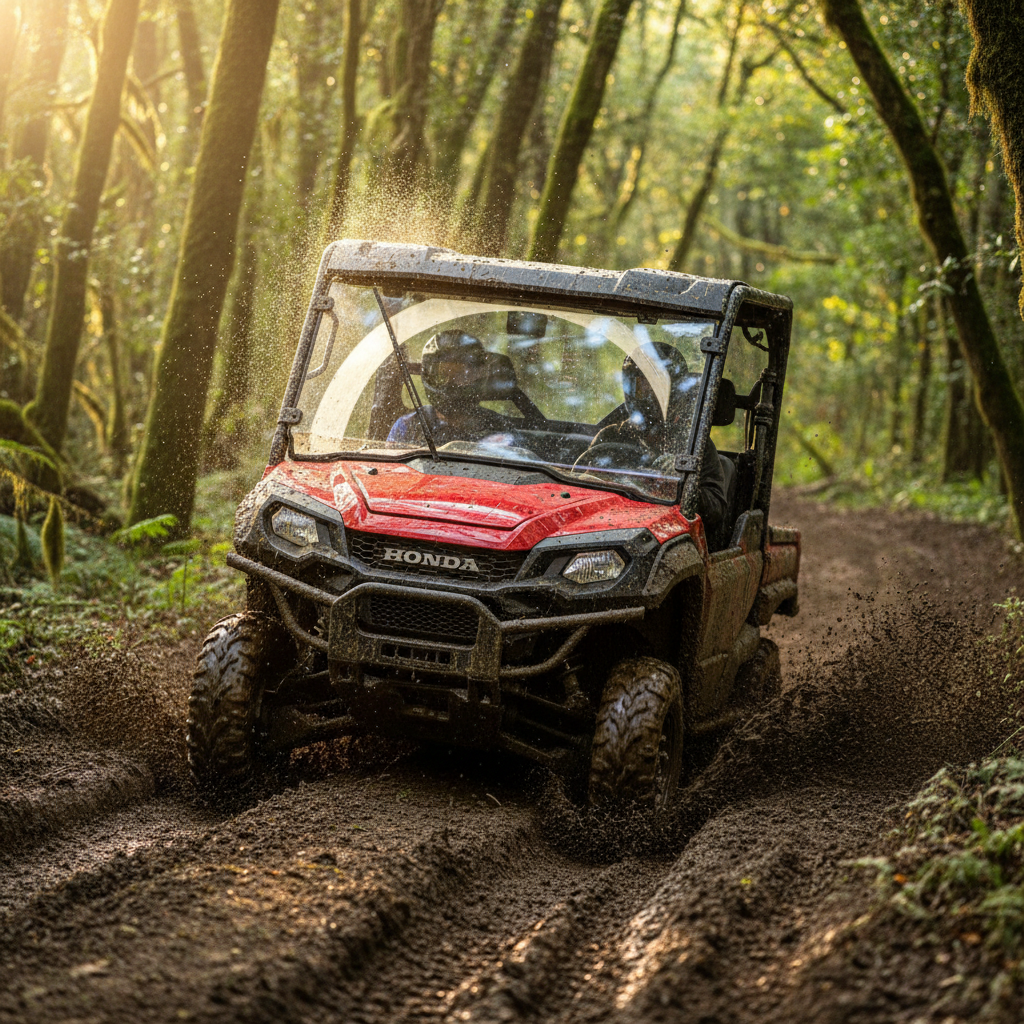


In the world of off-roading, torque is king. It is the raw twisting force that allows an ATV or UTV to crawl over rocks, pull heavy loads, and accelerate out of deep mud.
For the 2025 model year, manufacturers are pushing the boundaries of power delivery with a suite of advanced technologies designed to maximize and fine-tune torque.
This is not just about increasing horsepower; it is about delivering usable, instant, and intelligent power exactly when and where the rider needs it.
This comprehensive guide will delve into the most significant advancements in 2025 ATV Torque Boost Technology, examining the mechanical, electronic, and hybrid innovations that are redefining off-road performance and capability.
Pillar 1: Mechanical Force – The Rise of Factory Forced Induction
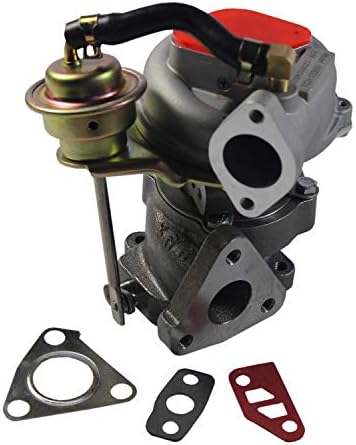
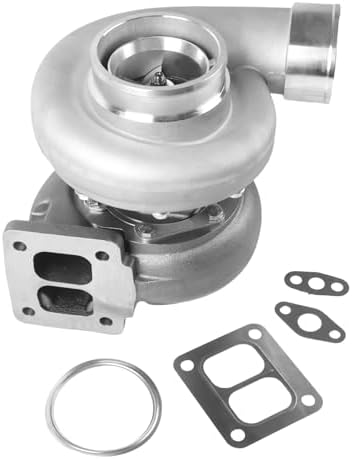
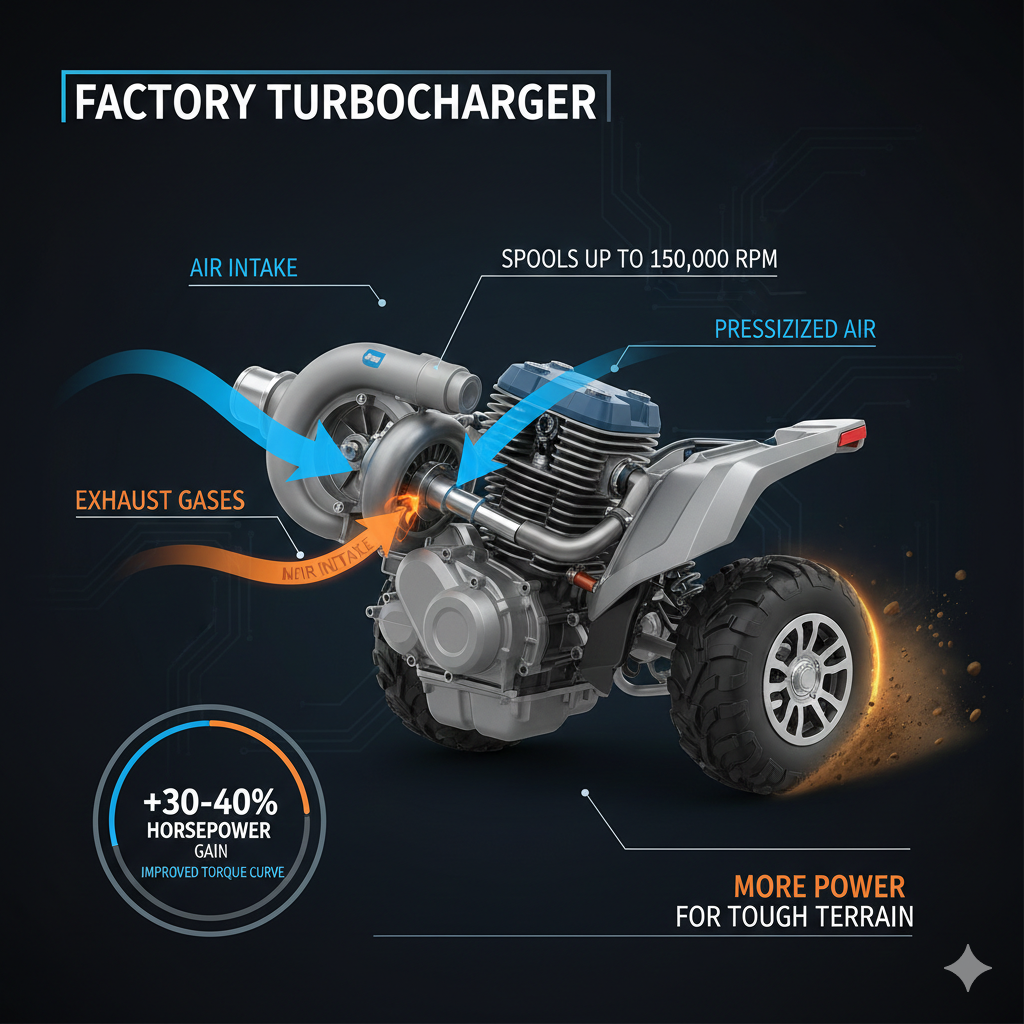
While turbocharging has been a staple in high-performance UTVs for years, the technology continues to evolve, becoming more integrated and efficient, and is now a defining feature of the 2025 power landscape.
1. Turbocharged Engines and Torque Curves
Forced induction—either turbocharging or supercharging—is the most direct way to boost torque by forcing more air into the engine’s combustion chamber.
- High-Performance Benchmarks: Vehicles like the 2025 Can-Am Maverick X3 Turbo RR continue to set the standard, delivering a massive 200 horsepower and approximately 135 lb-ft of torque from a compact engine [1]. This power is achieved through sophisticated turbocharger systems that are now factory-tuned for reliability and performance.
- Torque Delivery Refinement: The innovation in 2025 is less about the peak number and more about the shape of the torque curve. Modern ECU tuning works in tandem with the turbo to minimize turbo lag, ensuring that the torque is available lower in the RPM range, which is crucial for technical driving where the engine is not constantly at wide-open throttle.
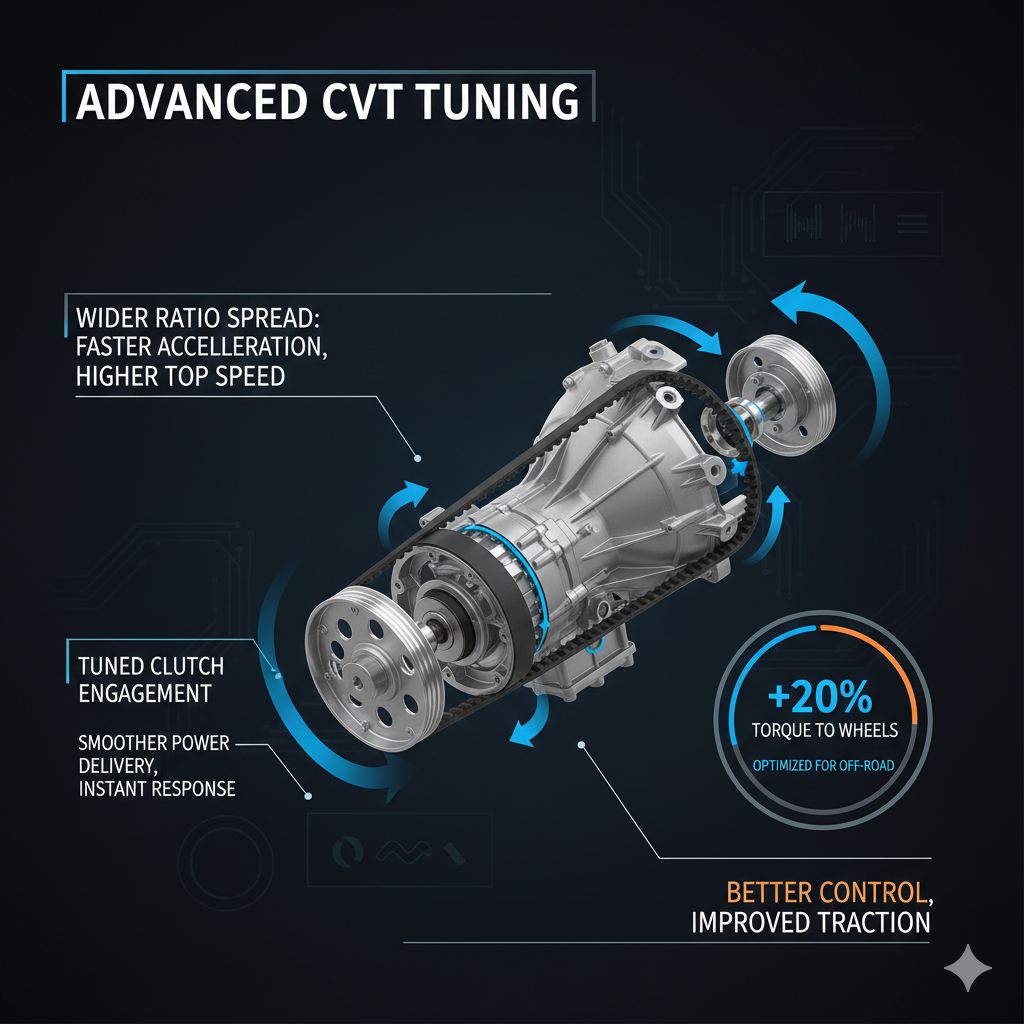
2. The Hybrid Torque Multiplier
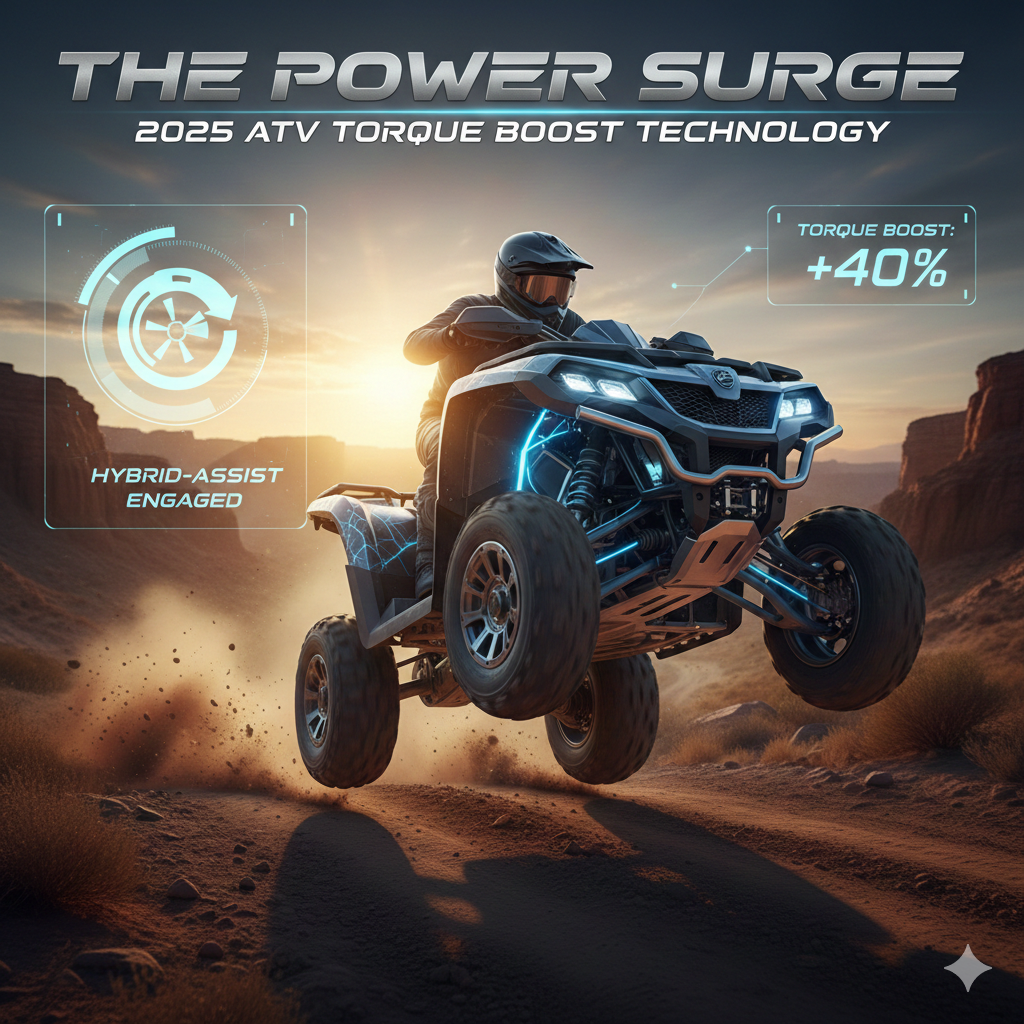
The most significant mechanical torque boost comes from the integration of electric motors, as seen in emerging hybrid powersports vehicles.
- Instantaneous Electric Torque: Electric motors deliver their maximum torque from 0 RPM, providing an instantaneous surge that an ICE cannot match [2]. This electric assist is used to fill the torque gap of the gasoline engine at low speeds, resulting in massive combined torque figures. Some hybrid concepts are already achieving torque outputs in the range of 420 lb-ft, which is a game-changer for utility and rock crawling [3].
- Power-on-Demand: The hybrid system acts as a torque multiplier, allowing the driver to access a burst of electric power for immediate acceleration or to overcome a sudden obstacle, effectively boosting the ATV’s low-end performance without relying on a massive, fuel-hungry engine.
Pillar 2: Electronic Precision – Managing Torque with Intelligence
The raw power from the engine and turbo is only useful if it can be precisely managed and delivered to the wheels.
Electronic control systems are the unsung heroes of 2025 torque technology.
3. Electronic Throttle Control (ETC) and ECU Mapping
The Electronic Control Unit (ECU) is the brain of the modern ATV, and its programming is becoming increasingly sophisticated to manage torque.
- Torque Management Strategies: ECUs now employ complex throttle strategies to manage torque output, especially at high RPMs. For instance, some systems gradually reduce the electronic throttle input at the engine’s redline to prevent harsh power cuts, ensuring a smoother, more controlled power delivery that protects the drivetrain [4].
- Selectable Power Modes: Most new models feature selectable drive modes (e.g., Sport, Eco, Crawl). These modes are not just simple throttle-response changes; they involve entirely different ECU maps that alter the torque curve, clutch engagement, and even the four-wheel-drive bias to optimize power for specific terrain.
4. Enhanced Electric Power Steering (EPS) Integration
While primarily a steering assist system, the latest generation of Electric Power Steering (EPS) is deeply integrated with the vehicle’s torque management.
- Speed-Sensitive Assist: Modern EPS systems, such as those enhanced in the 2025 Yamaha Grizzly, are speed-sensitive, providing maximum assist at low speeds (where torque demands are highest) and decreasing assist as speed increases [5].
- Torque Feedback: The EPS system can be tuned to provide the rider with better “trail feel” or feedback, allowing them to sense the resistance and torque demands on the front wheels, which is crucial for navigating technical terrain and preventing component damage.
Pillar 3: Drivetrain Optimization – CVT Tuning and Engagement
The best engine in the world is useless without an efficient drivetrain.
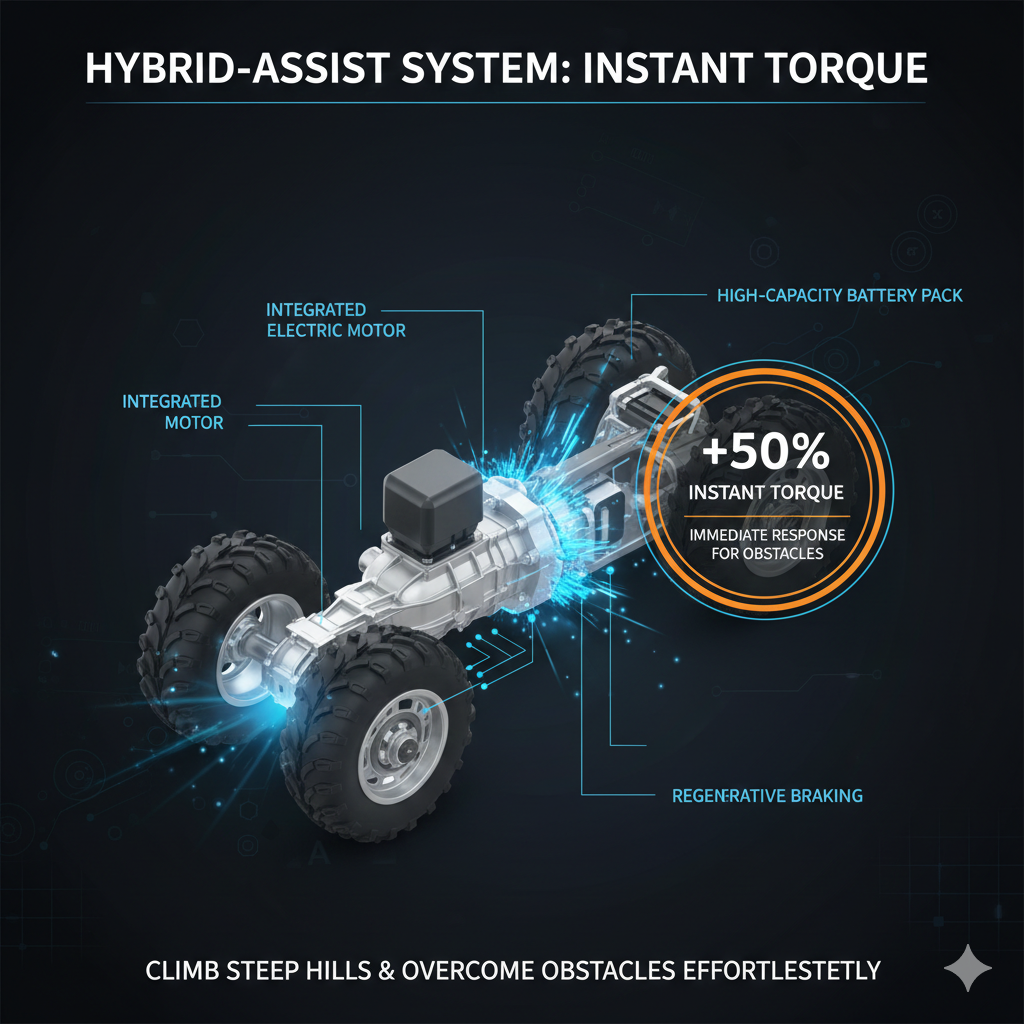
For ATVs and UTVs, the Continuously Variable Transmission (CVT) is the primary component for translating engine torque into wheel torque, and 2025 innovations focus on fine-tuning this critical link.
5. CVT Clutch Tuning for Low-End Engagement
The CVT clutch is responsible for the initial engagement of the engine with the drivetrain. Tuning this component is vital for maximizing low-end torque delivery.
- Engagement RPM: Manufacturers and aftermarket tuners are focusing on optimizing the engagement RPM—the point at which the clutch begins to couple. A lower engagement RPM is generally preferred for utility and rock crawling, as it allows the driver to feather the throttle for precise, low-speed control without excessive belt slip [6].
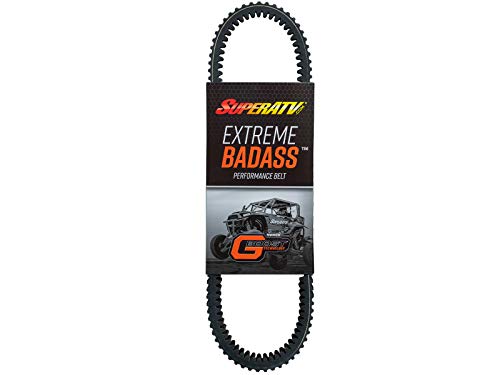
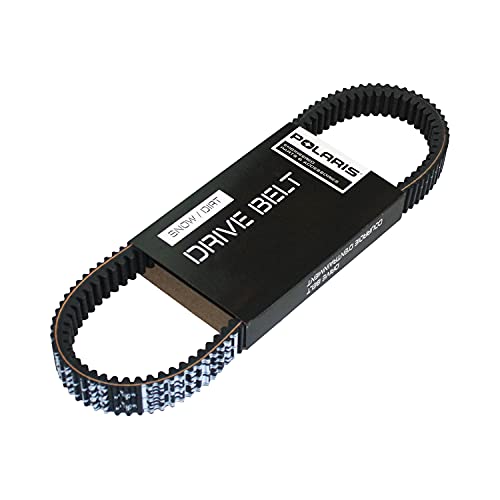
- Belt Longevity: Advanced CVT tuning, which includes adjusting spring rates and flyweight profiles, ensures that the belt is engaged firmly and quickly enough to prevent excessive heat and wear, which is the number one cause of belt failure under high-torque loads.
6. Quick Response System (QRS)
High-performance UTVs utilize specialized CVT designs, such as Can-Am’s Quick Response System (QRS-X), which are engineered to handle extreme torque and horsepower.
These systems feature high-performance airflow and robust components to ensure the CVT can keep up with the engine’s output, maintaining the torque delivery across the entire speed range [7].
Summary of 2025 ATV Torque Boost Technologies
| Technology Category | Innovation | Primary Torque Benefit | Key Application |
|---|---|---|---|
| Mechanical | Factory Turbocharging | High peak torque and horsepower. | High-speed desert and dune performance. |
| Hybrid-Assist | Electric Motor Integration | Instant, massive low-end torque from 0 RPM. | Rock crawling, utility work, silent operation. |
| Drivetrain | Advanced CVT Tuning | Optimized clutch engagement and belt life. | Precise low-speed control, high-load pulling. |
| Electronic | ECU Torque Management | Smooth, controlled power delivery and selectable modes. | Drivetrain protection, terrain-specific performance. |
| Steering | Enhanced EPS | Better feedback and reduced steering effort under load. | Technical trail navigation, heavy utility use. |
The 2025 ATV Torque Boost Technology represents a convergence of mechanical brute force, electronic intelligence, and hybrid efficiency.
These innovations are not just making ATVs and UTVs faster; they are making them smarter, more capable, and ultimately, more enjoyable to ride, ensuring that the power you need is always available, precisely when the trail demands it.