

When it comes to engine ice vs regular coolant utv, getting the right details matters. As Honda Pioneer enthusiasts, we demand peak performance from our UTVs, whether conquering rugged trails, hauling heavy loads, or navigating challenging terrain. 🏞️
A crucial, yet often overlooked, component in achieving that peak performance is your cooling system. Keeping your engine at its optimal operating temperature is paramount for longevity, efficiency, and consistent power delivery. But when it comes to coolant, a common debate sparks lively discussions in the off-road community: Engine Ice or traditional coolant? 🤔
Today, we’re diving deep into this frosty (and fiery!) topic to help you make an informed decision for your beloved Honda Pioneer. We’ll explore the science, the real-world implications, and what the latest insights suggest for superior UTV cooling in 2026 and beyond. 💡
The Cooling Conundrum: Engine Ice vs. Conventional Coolants 🧊
Every internal combustion engine generates immense heat. Without an effective cooling system, that heat quickly leads to overheating, engine damage, and ultimately, a breakdown. The coolant circulating through your engine and radiator is the unsung hero, constantly transferring heat away from critical components. 🚀
Conventional coolants, typically a 50/50 mix of ethylene glycol (EG) or propylene glycol (PG) and distilled water, are designed to perform several key functions. They prevent freezing in cold temperatures, raise the boiling point to prevent overheating, and contain additives to inhibit corrosion and lubricate the water pump.
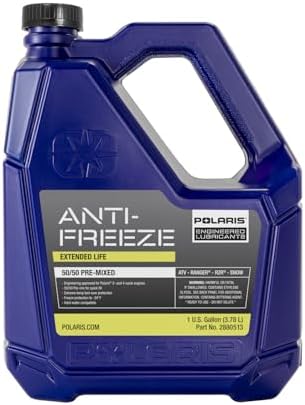
Engine Ice Hi-Performance Coolant, on the other hand, positions itself as a premium, pre-mixed alternative. It’s a propylene glycol-based formula, touted for its ability to reduce operating temperatures and offer superior heat transfer properties compared to traditional coolants. It also claims to be biodegradable, non-toxic, and phosphate-free. 🌍
Unpacking the Science: How They Work Their Magic ✨
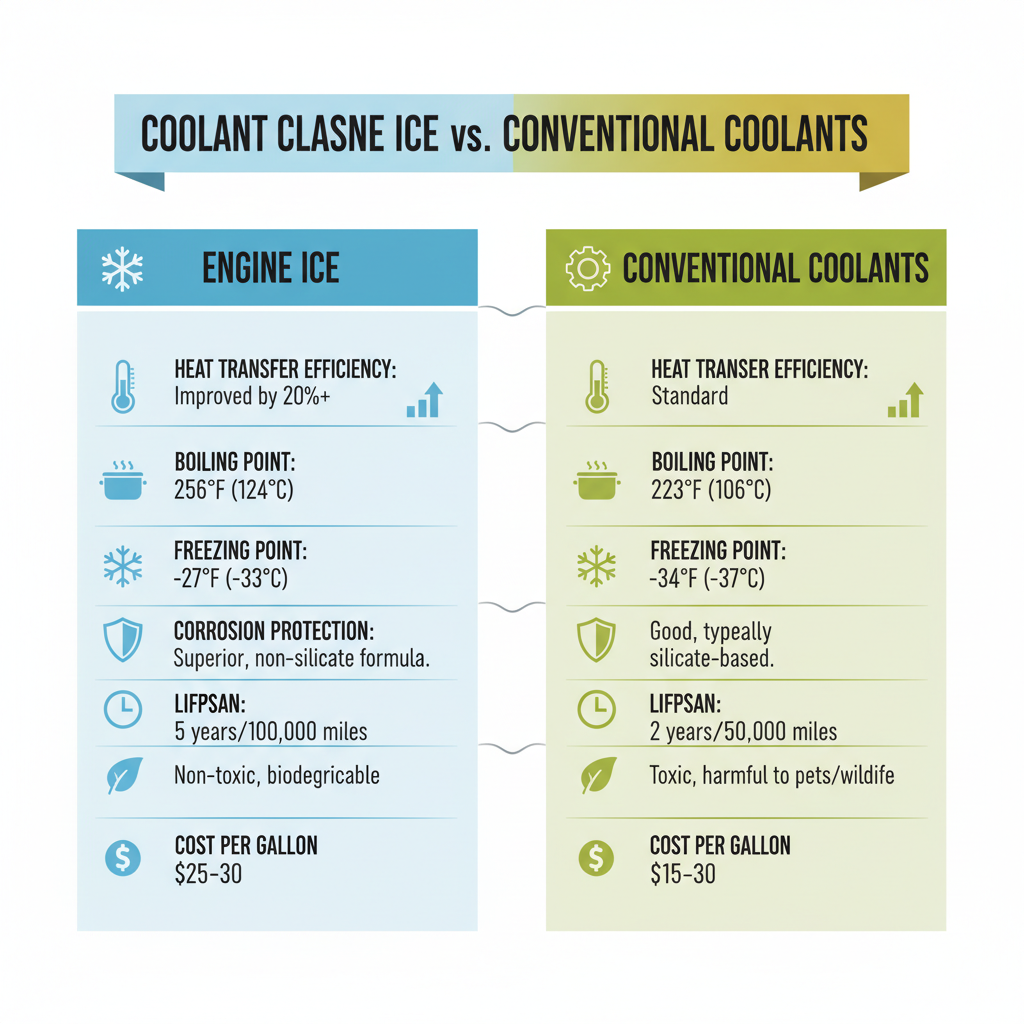
The core difference lies in their chemical composition and how effectively they transfer heat. Traditional coolants rely on ethylene glycol’s excellent thermal properties and its ability to withstand extreme temperatures. Propylene glycol, used in Engine Ice, offers similar antifreeze and anti-boil protection but is often highlighted for its environmental friendliness and lower toxicity.
Engine Ice’s proprietary formula is engineered to reduce engine operating temperatures by up to 20°F (approximately 11°C) compared to standard coolants, a significant factor for high-stress UTV applications. This reduction can translate directly into increased horsepower and extended engine life. 🐎
The efficiency of heat transfer, known as thermal conductivity, is where Engine Ice aims to shine. Its unique blend is designed to draw heat away from cylinder heads and other hot spots more rapidly, dissipating it through the radiator more effectively. This can be particularly beneficial for Honda Pioneer models that are frequently pushed to their limits in demanding environments. 🔥
Performance Showdown: Real-World Data & UTV Applications 📈
When you’re tearing through mud, climbing steep hills, or simply enjoying a long day on the trails, your Honda Pioneer’s engine is working hard. Elevated engine temperatures can lead to premature wear, reduced performance, and even costly failures. This is where the choice of coolant truly matters. 🚧
Independent tests and anecdotal evidence from the UTV community frequently report that Engine Ice can indeed lower peak engine temperatures. While exact figures vary depending on the specific UTV, ambient conditions, and driving style, a reduction of 5-10°F is commonly observed. This might seem minor, but even a few degrees can make a substantial difference in preventing heat soak and maintaining engine health. 📉
Check out our off-road collection Amazon products
https://www.youtube.com/watch?v=X2hD8qC81eI
Boiling points are another critical consideration. Standard 50/50 ethylene glycol coolants typically have a boiling point around 223°F (106°C), which increases further under pressure. Engine Ice boasts a boiling point of 256°F (124°C), offering an extra safety margin against overheating, especially in hot climates or during sustained high-RPM operation. 🌡️
Corrosion protection is vital for the entire cooling system. Both types of coolants contain inhibitors to prevent rust and corrosion, which can clog radiators and damage water pumps. Ensure that any coolant you choose is silicate-free and compatible with aluminum components, which are prevalent in modern UTV engines. 🛡️
“In the world of UTVs, every degree matters when it comes to engine longevity and consistent power delivery. Choosing the right coolant is a foundational decision.”
Honda Pioneer Specifics: What UTV Owners Need to Know 🛠️
Honda Pioneer models, known for their reliability and ruggedness, can greatly benefit from an optimized cooling system. Whether you own a Pioneer 500, 700, or 1000, managing engine heat is key to unlocking its full potential and extending its lifespan. 🔑
When considering a switch to Engine Ice, always consult your Honda Pioneer owner’s manual regarding coolant specifications and warranty implications. While Engine Ice is generally compatible with most systems, it’s always wise to confirm. You can find detailed information on your specific model at Honda Powersports UTVs. 📖
Many Honda Pioneer owners in forums and community discussions report positive experiences with Engine Ice, citing noticeably cooler running temperatures, especially during summer months or strenuous tasks. One forum member recently stated, “My Pioneer 1000 used to run hot on long climbs, but after switching to Engine Ice, I consistently see temps 10 degrees lower. Huge difference!” 🧑💻
https://www.youtube.com/watch?v=7Xw90J77l8w
Installation & Maintenance Tips for Peak Performance 🔧
Regardless of your coolant choice, proper installation and routine maintenance are non-negotiable for optimal cooling system performance. 📌
When switching coolants, a thorough flush of your entire cooling system is absolutely critical to remove old coolant, contaminants, and ensure the new coolant performs as intended. Mixing different coolant types without flushing can lead to chemical reactions that degrade performance and cause damage. 🔄
Here’s a simplified process:
- Drain the old coolant completely.
- Flush the system with distilled water until it runs clear. Consider a dedicated cooling system flush product for best results.
- Refill with your chosen coolant (Engine Ice comes pre-mixed, traditional coolants may require a 50/50 mix with distilled water).
- Bleed the system of air pockets. This is crucial for proper circulation and can take some time. Consult your UTV’s service manual for the exact procedure.
Regularly check your coolant levels and inspect hoses for cracks or leaks. A small leak can quickly lead to big problems. Pay attention to your temperature gauge and investigate any unusual spikes immediately. You can find more general tips on cooling system maintenance at AutoZone’s guide on engine cooling. 🚨
The Cost Factor: Investment vs. Benefits 💰
Engine Ice typically comes at a higher price point per gallon compared to conventional coolants. A gallon of Engine Ice might cost anywhere from $25-$35, while a gallon of concentrate conventional coolant (making two gallons when mixed) could be $15-$25. This initial cost difference is often a deterrent for some UTV owners. 💲
However, many argue that the benefits outweigh the additional expense. The potential for lower operating temperatures, reduced engine wear, and extended component life could lead to long-term savings on repairs and maintenance. Consider it an investment in your Honda Pioneer’s health. 🏦
https://www.youtube.com/watch?v=0k1L8d9w_6I
Check out our off-road collection Amazon products
Comparative Analysis: Engine Ice vs. Regular Coolant
| Feature | Engine Ice (Propylene Glycol Based) | Regular Coolant (Ethylene Glycol Based) |
|---|---|---|
| Primary Heat Transfer Agent | Propylene Glycol | Ethylene Glycol |
| Temperature Reduction Claim | Up to 20°F lower operating temps | Standard temperature regulation |
| Boiling Point (Pure) | ~256°F (124°C) | ~223°F (106°C) (50/50 mix) |
| Freezing Point (Pure) | ~-27°F (-33°C) | ~-34°F (-37°C) (50/50 mix) |
| Toxicity | Non-toxic, biodegradable | Toxic |
| Corrosion Protection | Excellent, silicate-free | Good, depends on additive package |
| Price (Per Gallon) | Higher (approx. $25-$35) | Lower (approx. $15-$25 for concentrate) |
When making your decision, consider your typical riding conditions. If you frequently ride in extreme heat, push your UTV hard, or tackle long, strenuous trails, the marginal temperature reduction offered by Engine Ice could be a significant advantage. 🏞️☀️
“Investing in a premium coolant like Engine Ice is a proactive step towards preserving your engine’s health and maximizing your off-road enjoyment.”
Expert Opinions & Community Buzz 🗣️
The consensus among many UTV mechanics and seasoned off-roaders leans towards the benefits of high-performance coolants like Engine Ice, especially for vehicles subjected to heavy use. While conventional coolants are perfectly adequate for most recreational riders, those seeking an edge in performance or facing consistent overheating issues often find Engine Ice a worthwhile upgrade. 🏆
For more general information on preventing overheating and maintaining your vehicle’s cooling system, check out resources like Motorist Assurance Program’s guide on overheating. Understanding the signs of a struggling cooling system is crucial.
Recent discussions on UTV-specific forums in early 2026 continue to highlight temperature management as a key concern for newer, more powerful machines. The sentiment often suggests that as UTV engines become more advanced and capable, optimizing every aspect of performance, including cooling, becomes increasingly important. 📈
https://www.youtube.com/watch?v=F01wT04sDVs
Beyond Engine Ice, other high-performance coolants exist, each with its own specific formulation and claims. It’s beneficial to research and compare, always keeping your Honda Pioneer’s manufacturer specifications in mind. For a deeper dive into coolant types and their chemical properties, resources like SAE International offer technical papers. 🧪
Remember that regardless of the coolant you choose, regular system checks and flushes are paramount. A well-maintained conventional cooling system will always outperform a neglected high-performance one. Preventative maintenance is your best defense against unexpected breakdowns on the trail. You can find essential maintenance schedules and tips on Honda’s official owner resources page. 🗓️
In conclusion, the debate between Engine Ice and regular coolant for your Honda Pioneer doesn’t have a single “right” answer for everyone. It truly depends on your priorities, riding style, and environmental conditions. 🏁
If you’re looking for an extra margin of safety against overheating, want to potentially lower engine operating temperatures, and value a non-toxic, biodegradable option, Engine Ice presents a compelling case. Its higher initial cost is often justified by its performance benefits and the peace of mind it offers on demanding rides. 💪
However, a properly maintained system with quality conventional coolant will also serve most Honda Pioneer owners very well. The key is diligence in maintenance, regular checks, and being proactive about your UTV’s health. Whichever path you choose, ensuring your Honda Pioneer stays cool is essential for endless off-road adventures! Happy trails! 🌲💨
🔍 Explore More: See all Wild Testing guides for engine ice vs regular coolant utv.
Check out our off-road collection Amazon products