Honda Pioneer vs Talon: Which Side-by-Side Is Right for You in 2026?
If you’ve been researching the Honda Pioneer vs Talon debate, you’re not alone. These two powerhouse side-by-sides from Honda represent two completely different philosophies in off-road design. The Pioneer is built for work, utility, and trail versatility, while the Talon is engineered purely for high-speed sport performance and adrenaline-fueled desert runs.
Choosing between them isn’t about which machine is “better” — it’s about which machine aligns with your riding style, terrain, and daily needs. In this comprehensive 2026 comparison guide, we’ll break down every critical difference between the Honda Pioneer and Honda Talon, from engine specs and suspension travel to cargo capacity and price point, so you can make a confident purchase decision.
Understanding the Honda Pioneer: The Ultimate Utility Workhorse
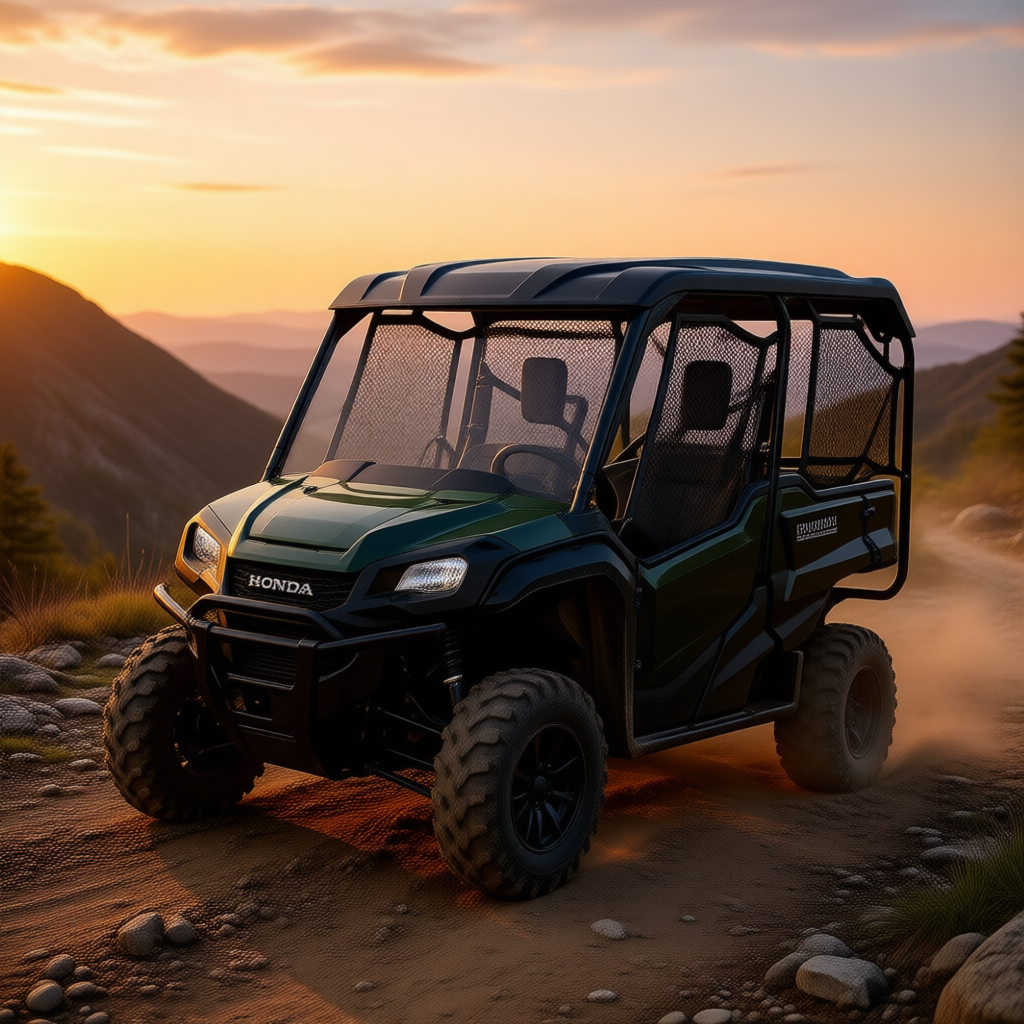
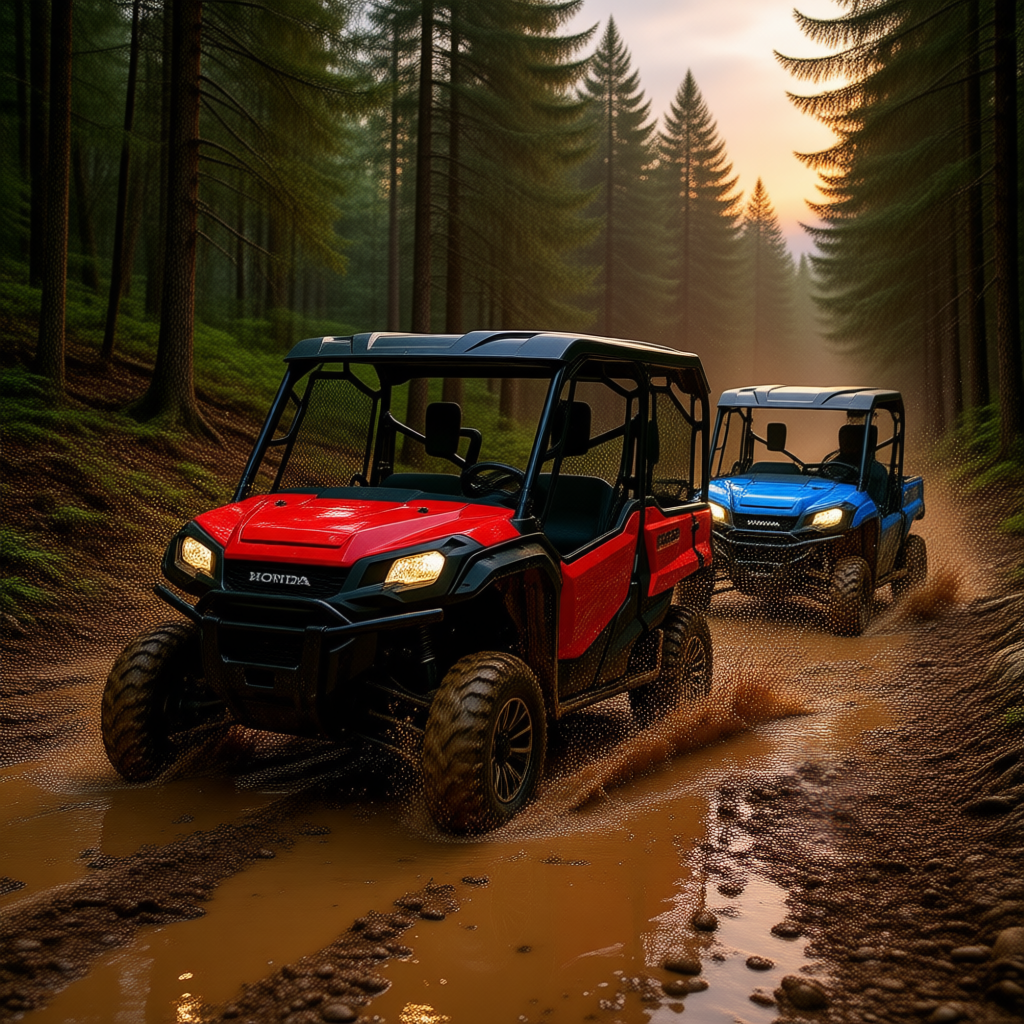
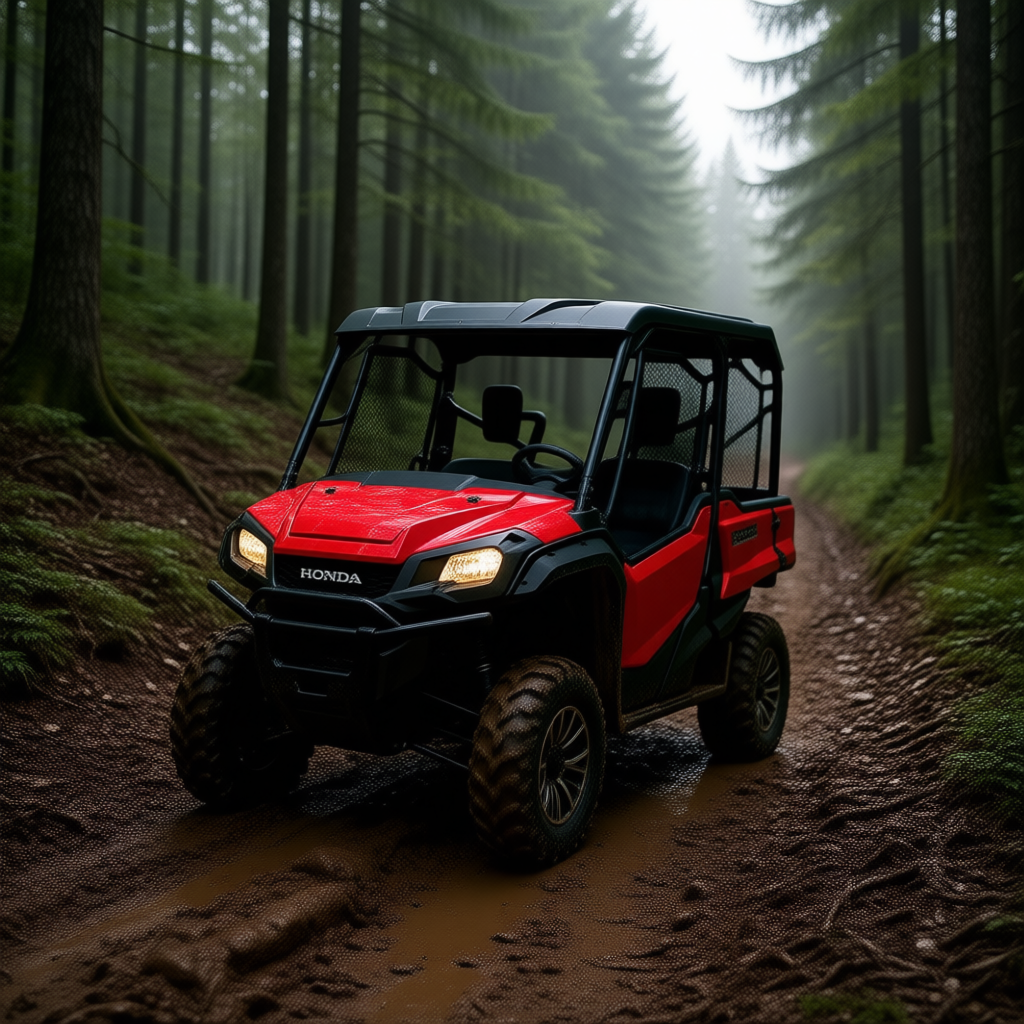
The Honda Pioneer lineup has long been the gold standard for riders who need a side-by-side that can transition seamlessly from farm work to weekend trail rides. Available in multiple configurations — including the Pioneer 1000, Pioneer 700, and Pioneer 520 — this series is designed around Honda’s legendary reliability and practical engineering.
At its core, the Pioneer is a multi-purpose utility vehicle. It features a robust cargo bed with tie-down points, a powerful towing capacity (up to 2,500 lbs on the Pioneer 1000), and seating configurations that range from two to five passengers. The Pioneer 1000-5 Deluxe, for instance, offers a flip-up rear seat that transforms the cabin from a two-seater work rig into a family-friendly trail cruiser.
Honda equips the Pioneer with its proven automatic Dual-Clutch Transmission (DCT), which delivers smooth, car-like shifting without the complexity of a manual clutch. This transmission is particularly valued by ranchers, hunters, and property owners who spend long hours navigating rough terrain at low speeds. The DCT eliminates belt wear concerns that plague CVT-equipped competitors, making the Pioneer one of the most durable utility UTVs on the market in 2026.
For a deeper dive into the Pioneer lineup, check out our complete Honda Pioneer 1000 review where we test every trim level and configuration.
Understanding the Honda Talon: Born for Sport Performance
The Honda Talon is an entirely different beast. Introduced as Honda’s answer to the Polaris RZR and Can-Am Maverick sport side-by-side segment, the Talon is purpose-built for high-speed off-road performance, aggressive cornering, and desert racing. It comes in two primary variants: the Talon 1000X (narrower, 64 inches wide, optimized for tight trails) and the Talon 1000R (wider, 72 inches, built for high-speed stability in open terrain).
Under the hood, the Talon shares the same 999cc parallel-twin engine found in the Pioneer 1000, but it’s tuned and geared differently to prioritize acceleration and top-end speed. The Talon also features Honda’s DCT, but with a sport-tuned shift mapping that holds gears longer and delivers more aggressive throttle response. In 2026, the Talon continues to stand out as one of the few sport UTVs offering a true automatic transmission rather than a CVT, giving it a unique edge in durability and driver control.
The Talon’s chassis is a fully boxed steel frame with long-travel suspension — up to 17.7 inches of rear travel on the Talon 1000R with FOX 2.5 Podium RC2 shocks. This is a machine designed to absorb whoops, jumps, and brutal desert washboard at speeds that would destroy lesser vehicles.
Learn more about the Talon’s capabilities in our detailed Honda Talon 1000R review.
Honda Pioneer vs Talon: Head-to-Head Specifications Comparison
To truly understand the differences between these two machines, let’s look at the raw numbers. The following table compares the most popular configurations of each model as of the 2026 model year:
| Specification | Honda Pioneer 1000-5 | Honda Talon 1000R | Honda Talon 1000X |
|---|---|---|---|
| Engine | 999cc Parallel-Twin | 999cc Parallel-Twin | 999cc Parallel-Twin |
| Horsepower | ~105 HP | ~105 HP | ~105 HP |
| Transmission | 6-Speed DCT | 6-Speed DCT (Sport-Tuned) | 6-Speed DCT (Sport-Tuned) |
| Front Suspension Travel | 7.9 inches | 15.7 inches | 14.4 inches |
| Rear Suspension Travel | 9.1 inches | 17.7 inches | 16.1 inches |
| Ground Clearance | 12.4 inches | 13.2 inches | 12.6 inches |
| Vehicle Width | 63 inches | 72 inches | 64 inches |
| Towing Capacity | 2,500 lbs | Not rated for towing | Not rated for towing |
| Cargo Bed Capacity | 600 lbs | 132 lbs (small storage) | 132 lbs (small storage) |
| Seating | 2-5 Passengers | 2 Passengers | 2 Passengers |
| Curb Weight | ~1,755 lbs | ~1,544 lbs | ~1,490 lbs |
| Starting MSRP (2026) | ~$20,999 | ~$22,599 | ~$21,099 |
As the numbers reveal, the Talon sacrifices utility and passenger capacity for dramatically improved suspension performance, lighter weight, and sport-tuned geometry. The Pioneer, meanwhile, offers unmatched versatility with its towing capacity, cargo bed, and multi-passenger seating.
Engine and Performance: Same Heart, Different Soul
Both the Pioneer 1000 and Talon 1000 series share Honda’s 999cc liquid-cooled parallel-twin engine, which produces approximately 105 horsepower. However, the driving experience between these two machines is remarkably different due to tuning, gearing, weight, and chassis dynamics.
In the Pioneer, the engine is calibrated for low-end torque and smooth, predictable power delivery. This makes it ideal for crawling over obstacles, towing heavy loads up grades, and maintaining comfortable cruising speeds on forest roads. The DCT shift programming prioritizes fuel efficiency and smooth transitions, which is exactly what you want when hauling firewood or navigating a muddy trail with passengers.
The Talon, by contrast, features sport-tuned engine mapping that delivers more aggressive throttle response and holds higher RPMs before upshifting. The result is a machine that feels significantly faster and more responsive, even though peak horsepower figures are identical. The Talon’s lighter curb weight (roughly 200-250 lbs less than the Pioneer 1000-5) further amplifies its acceleration advantage, giving it a noticeably quicker 0-60 mph time.
For riders who prioritize raw speed and aggressive driving dynamics, the Talon is the clear winner. But for those who need controllable, manageable power for work and family rides, the Pioneer’s tuning is far more appropriate. Explore our Honda Pioneer engine specifications guide for more technical details.
Suspension and Handling: Where the Talon Dominates
This is where the Honda Pioneer vs Talon comparison becomes most dramatic. The Talon was designed from the ground up as a sport machine, and its suspension architecture reflects that singular purpose. The Talon 1000R features FOX 2.5 Podium RC2 shocks with dual-rate springs, offering 15.7 inches of front travel and a staggering 17.7 inches of rear travel. These are race-quality components with high-speed and low-speed compression adjustability, plus rebound damping control.
The Talon’s long-travel suspension allows it to absorb massive impacts — whoops, square-edge hits, jump landings — at speeds that would bottom out a utility UTV and potentially cause damage or loss of control. The wider track width of the Talon 1000R (72 inches) also provides exceptional cornering stability, reducing body roll and keeping all four wheels planted through aggressive turns.
Check out our off-road collection Amazon products
The Pioneer, with its 7.9 inches of front and 9.1 inches of rear travel, is perfectly adequate for moderate trail riding, forest roads, and farm use. But it simply cannot compete with the Talon when speeds increase or terrain becomes punishing. If your primary riding involves desert whoops, high-speed fire roads, or motocross-style terrain, the Talon’s suspension advantage is not just noticeable — it’s essential for safety and enjoyment.
That said, the Pioneer’s shorter suspension and lower center of gravity give it an advantage in tight, technical trail riding where nimbleness matters more than travel. The Pioneer’s narrower 63-inch width also allows it to fit on trails with width restrictions, something the 72-inch Talon 1000R cannot do.
Interior, Comfort, and Daily Usability
When comparing the Honda Pioneer vs Talon for everyday usability, the Pioneer wins decisively. The Pioneer 1000-5 offers available bench seating for up to five occupants, a fully enclosed cab option with HVAC, power steering, and a tilting cargo bed. It’s essentially the SUV of the side-by-side world, capable of serving as a daily driver on large properties, a hunting platform, or a family adventure vehicle.
The Talon, by contrast, is strictly a two-seater with a minimalist interior focused on driver and passenger support during aggressive driving. The bucket seats are heavily bolstered to hold occupants in place during high-G cornering, and the cabin features a low-profile dashboard with essential gauges. There’s no rear seat, minimal storage, and no towing capability. The Talon is a dedicated sport machine, and Honda made no compromises to make it more practical.
For riders who plan to use their side-by-side for multiple purposes — trail riding with family, property maintenance, hunting trips, and occasional sport driving — the Pioneer is the only logical choice. The Talon is best suited for dedicated sport riders who already have a utility vehicle or who simply don’t need those capabilities.
See our best Honda Pioneer accessories guide to see how owners customize their rigs for maximum comfort and utility.
Utility, Cargo, and Towing Capabilities
The Pioneer’s utility advantages are overwhelming. With a 600-pound cargo bed capacity, 2,500-pound towing rating, and available hydraulic bed tilt, the Pioneer can handle virtually any property management task. Ranchers use it to haul feed, hunters use it to retrieve game, and homeowners use it for landscaping, snow plowing, and trailer transport.
The Talon has a small rear storage area rated for approximately 132 pounds — enough for a tool kit, first aid supplies, and a few personal items, but nothing more. There is no hitch receiver, no towing capacity, and no bed. If you need to move anything heavier than a backpack, the Talon is not the right tool.
Recommended Insights From Our Guide Library:
This single factor eliminates the Talon from consideration for a huge segment of side-by-side buyers. If your purchase needs to justify itself through practical utility — not just recreation — the Pioneer is the only option in this comparison.
Price and Value Proposition in 2026
Pricing for the 2026 model year places the Pioneer 1000-5 starting around $20,999, with higher trims reaching into the mid-$25,000 range when equipped with Deluxe packages, power steering, and cab enclosures. The Talon 1000X starts around $21,099, while the wider Talon 1000R commands approximately $22,599 at base MSRP.
On paper, the prices are relatively close. But value depends entirely on what you need. If you’re a sport rider who wants race-ready suspension and doesn’t need utility, the Talon offers exceptional performance per dollar — especially when you consider that comparable sport UTVs from Polaris and Can-Am often exceed $25,000-$28,000 for similar capability.
If you need a do-everything machine that can work during the week and play on weekends, the Pioneer delivers unmatched versatility for its price point. Honda’s reputation for reliability also means lower long-term ownership costs, with fewer belt replacements, less drivetrain maintenance, and stronger resale values compared to CVT-equipped competitors.
For current pricing and dealer inventory, visit Honda Powersports official website to explore the full 2026 lineup.
Pros and Cons: Honda Pioneer vs Talon at a Glance
Honda Pioneer Pros
- Exceptional towing and cargo capacity for work and property management
- Multi-passenger seating (up to 5) for family and group rides
- Proven DCT transmission with no belt maintenance
- Available cab enclosure with HVAC for year-round comfort
- Narrower width fits more trail systems
- Strong resale value and Honda reliability
Honda Pioneer Cons
- Limited suspension travel not suited for high-speed sport riding
- Heavier weight reduces acceleration and agility
- Less aggressive engine tuning feels sedate for sport riders
Honda Talon Pros
- Race-quality long-travel suspension absorbs brutal terrain at speed
- Lighter weight and sport-tuned DCT deliver thrilling acceleration
- Wider track (1000R) provides exceptional high-speed stability
- Purpose-built sport chassis with no compromises
- Competitive pricing vs. Polaris RZR and Can-Am Maverick
Honda Talon Cons
- No towing capacity or meaningful cargo space
- Two-seat only configuration limits versatility
- Wider 1000R model excluded from many trail systems
- Not practical for work, property maintenance, or family use
Which Should You Buy? Our 2026 Verdict
The Honda Pioneer vs Talon decision ultimately comes down to one question: What will you do with your side-by-side most of the time?
Choose the Honda Pioneer if: You need a versatile machine for property work, hunting, family trail rides, and occasional recreation. The Pioneer is the ultimate multi-tool — it won’t win any desert races, but it will do everything else with Honda’s legendary reliability and comfort.
Choose the Honda Talon if: You are a dedicated sport rider who prioritizes speed, suspension performance, and aggressive driving above all else. The Talon is a focused, uncompromising performance machine that excels in its niche but offers zero utility.
Many experienced riders ultimately own both — a Pioneer for work and family adventures, and a Talon for weekend sport sessions. If your budget allows only one purchase, prioritize the machine that matches your primary use case, and you won’t be disappointed.
For more side-by-side comparisons and buying advice, explore our complete Honda side-by-side buying guide covering every model in the 2026 lineup.
Frequently Asked Questions: Honda Pioneer vs Talon
Can the Honda Talon tow a trailer?
No. The Honda Talon is not rated for towing and does not come equipped with a hitch receiver. It is a dedicated sport side-by-side with no utility towing capability. If towing is a requirement, the Honda Pioneer is the appropriate choice.
Check out our off-road collection Amazon products
Is the Honda Pioneer good for sport trail riding?
The Pioneer is capable on moderate trails and can handle technical terrain at reasonable speeds. However, its shorter suspension travel and heavier weight make it less suited for aggressive, high-speed sport riding compared to the Talon. Many Pioneer owners add aftermarket suspension upgrades to improve sport performance.
Do the Pioneer and Talon share the same engine?
Yes, both the Pioneer 1000 and Talon 1000 series use Honda’s 999cc liquid-cooled parallel-twin engine producing approximately 105 horsepower. However, the Talon features sport-tuned engine mapping and shift programming for more aggressive performance.
Which is more reliable, the Pioneer or Talon?
Both machines share Honda’s renowned build quality and the same proven DCT transmission. Reliability is excellent across both platforms. The Pioneer may have a slight edge in long-term durability simply because it’s typically operated at lower speeds and under less extreme conditions than the sport-oriented Talon.
Can I add a rear seat to the Honda Talon?
No. The Talon’s chassis is designed exclusively as a two-seat sport machine. There is no factory rear seat option, and the frame geometry does not accommodate aftermarket rear seating solutions. For multi-passenger needs, the Pioneer 1000-5 is the correct platform.
What is the top speed difference between the Pioneer and Talon?
Community Reference & Authority Resources:
The Talon has a slightly higher top speed due to its lighter weight and sport-tuned gearing, typically reaching 72-75 mph in stock form. The Pioneer 1000 is electronically governed and generally tops out around 65-67 mph. Both are electronically limited for safety.
For authoritative off-road vehicle safety guidelines and trail riding best practices, consult resources from ROHVA (Recreational Off-Highway Vehicle Association) and ATV Safety Institute.
🔍 Explore More: See all guides for Honda Pioneer.