

When you’re in the market for a compact utility side-by-side, the debate often boils down to the Honda Pioneer 500 vs Polaris Ranger 500 size comparison. These two machines are the entry point into the UTV world for many, offering a perfect blend of utility and trail capability without the massive footprint or price tag of their larger siblings. But while they share a similar engine displacement, their physical dimensions are drastically different, and that difference is the key to choosing the right machine for your needs.
I’ve seen firsthand how a few inches can make or break a day on the trail or a job on the farm. The Honda Pioneer 500 is a master of tight spaces, designed specifically to be trail-legal in many areas with its narrow width. The Polaris Ranger 500, while still compact, leans more toward the utility side with a wider stance and a more traditional cargo box. Understanding the nuances of the honda pioneer 500 vs polaris ranger 500 size comparison is crucial before you sign on the dotted line.
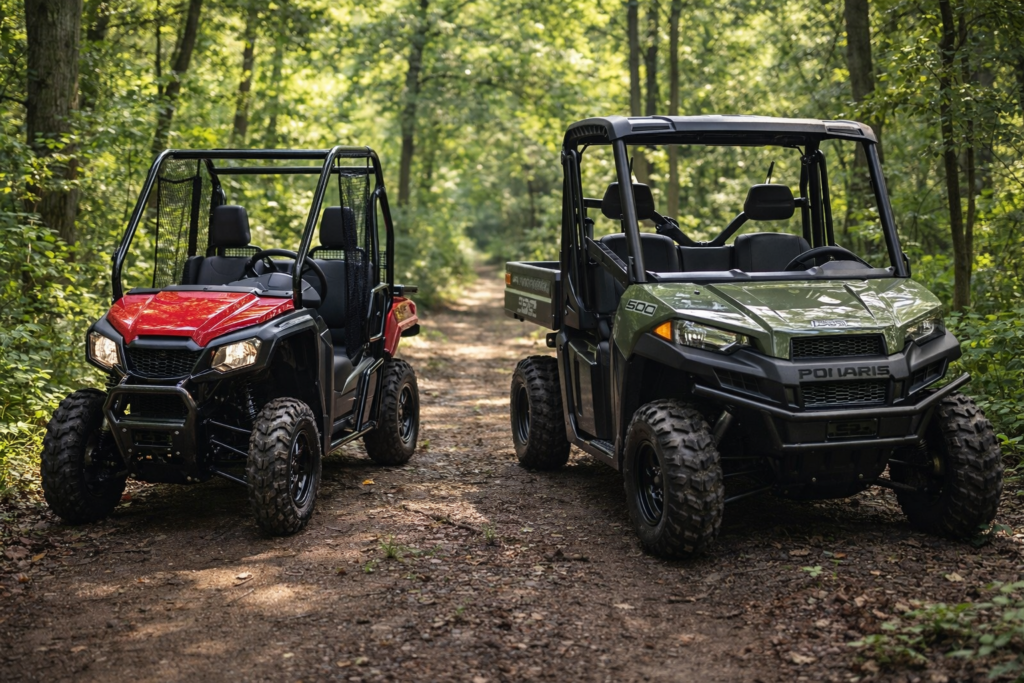
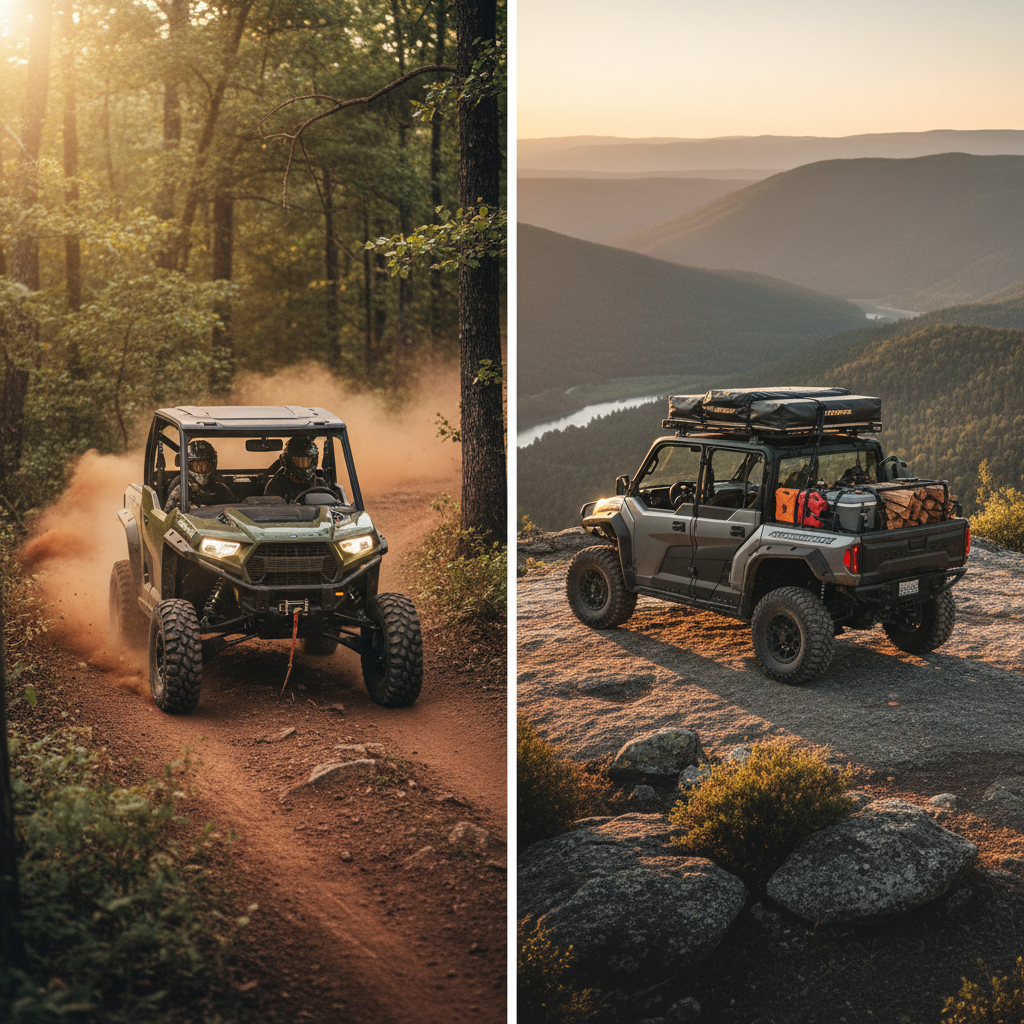
The Pioneer 500’s narrow width is immediately apparent next to the wider Ranger 500.
The Defining Dimension: Width and Trail Legality
The most significant difference in the honda pioneer 500 vs polaris ranger 500 size comparison is the width. The Honda Pioneer 500 is famously built to a 50-inch width [1]. This dimension is not arbitrary; it is the magic number for US Forest Service (USFS) trail legality in many states, allowing the Pioneer 500 access to trails that are off-limits to wider machines. This narrow stance makes it incredibly nimble in tight woods, between trees, and through narrow gates on your property.
The Polaris Ranger 500, on the other hand, measures in at 58 inches wide [2]. While this is still considered a compact UTV, those extra eight inches make a world of difference. The Ranger 500 is too wide for many restricted 50-inch trails. However, the wider stance contributes to greater stability, especially when carrying a heavy load or traversing side-hills. The wider track also allows for a more traditional, spacious bench seat, accommodating two adults more comfortably than the Pioneer’s bucket seats.
Key Dimensions at a Glance
| Dimension | Honda Pioneer 500 | Polaris Ranger 500 |
|---|---|---|
| Overall Width | 50 inches (127 cm) | 58 inches (147.3 cm) |
| Overall Length | 102.6 inches (260.6 cm) | 110 inches (279.4 cm) |
| Overall Height | 71.3 inches (181.1 cm) | 73 inches (185.4 cm) |
| Turning Radius | 12.8 feet | 13.3 feet (approx.) |
Length, Wheelbase, and Maneuverability
Beyond the width, the length and wheelbase also play a significant role in the honda pioneer 500 vs polaris ranger 500 size comparison. The Polaris Ranger 500 is noticeably longer at 110 inches compared to the Pioneer 500’s 102.6 inches [2]. This extra length in the Ranger is primarily dedicated to its larger, more traditional cargo box, which is a huge plus for serious utility work. The longer wheelbase of the Ranger also contributes to a smoother ride on rough terrain, as it spans more of the bumps.
However, the shorter length of the Pioneer 500, combined with its incredibly tight 12.8-foot turning radius [3], makes it the undisputed champion of maneuverability. This is a massive advantage when working in tight barnyards, dense forests, or backing up a trailer. The Pioneer 500 is also famous for its ability to fit sideways in the bed of a full-size pickup truck, a feat the wider Ranger 500 simply cannot manage.
Cargo and Utility: Bed Size vs. Compact Footprint
The difference in size directly translates to a difference in utility design. The Polaris Ranger 500 features a traditional, full-size cargo box with a 500-pound capacity and a tailgate, making it ideal for hauling feed, tools, or firewood. The Ranger’s longer chassis and wider bed are designed for maximum utility.
The Honda Pioneer 500, due to its compact size, does not have a traditional cargo box. Instead, it features a small, tilt-up utility rack with a 450-pound capacity [3]. While the capacity is similar, the design is less convenient for loose materials. The Pioneer’s design prioritizes a compact footprint and trail access over maximum cargo volume. The Pioneer’s ability to fit in a pickup bed is a huge bonus for those who frequently transport their UTV to different locations.
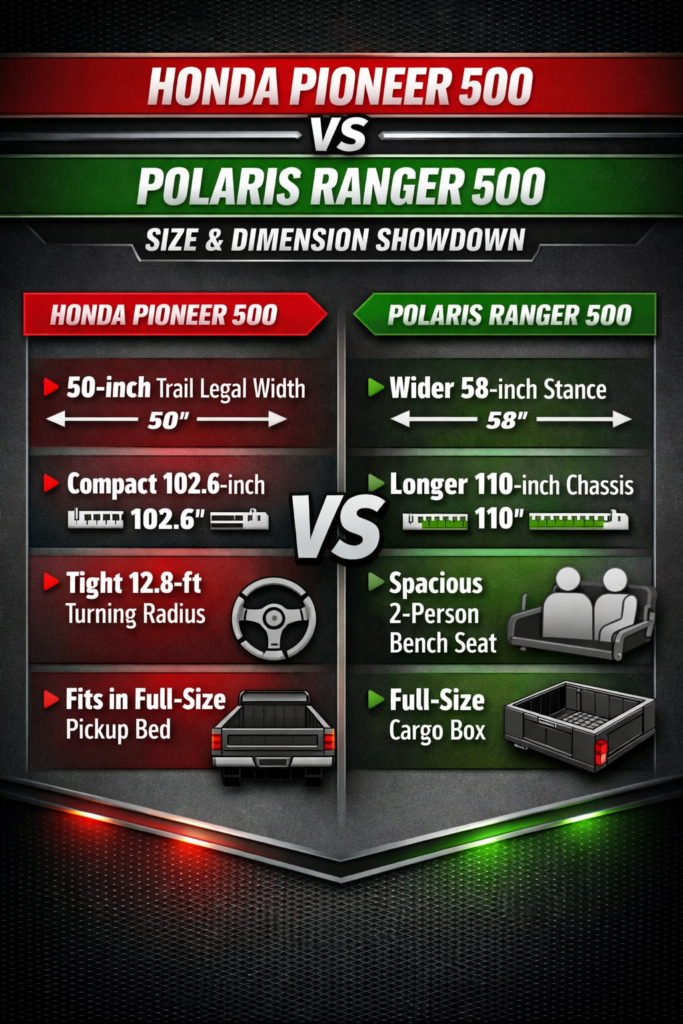
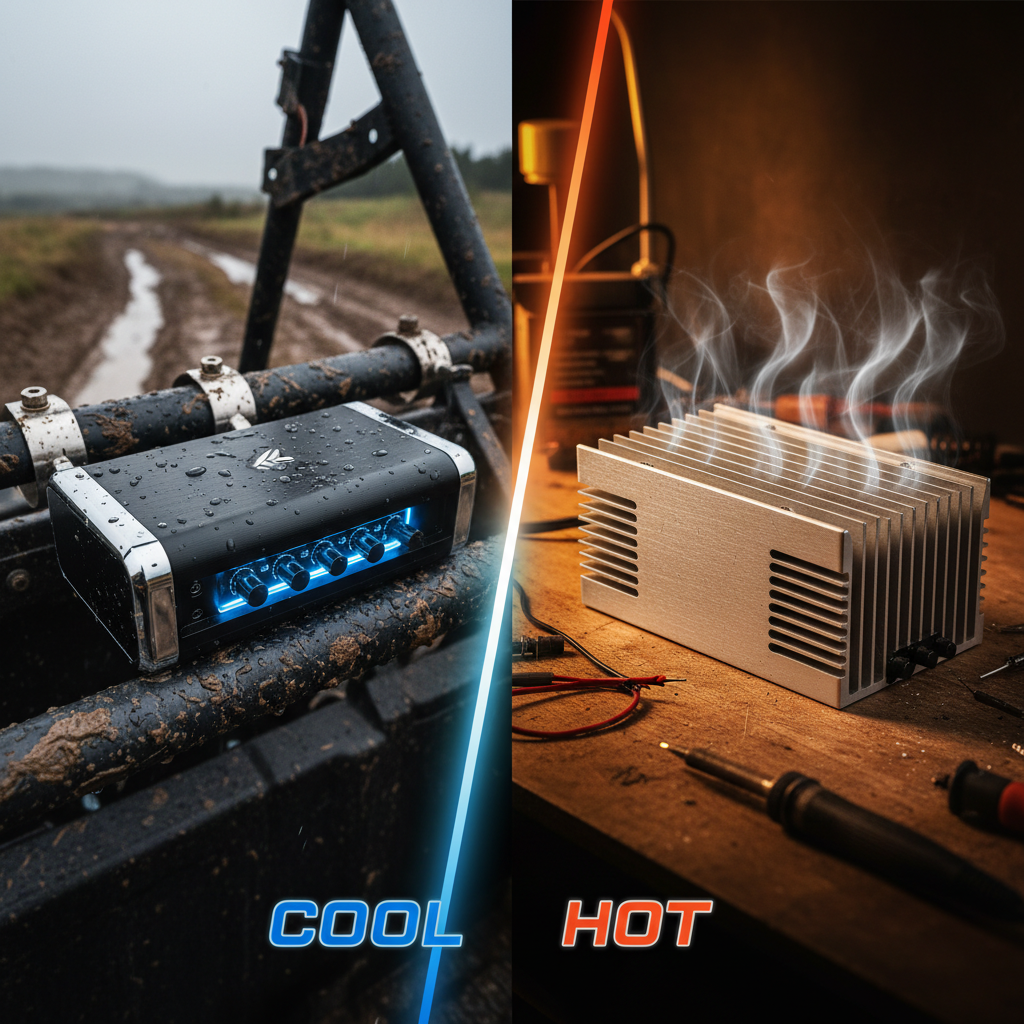
A visual breakdown of the critical size and dimension differences.
Ground Clearance and Ride Height
Ground clearance is another important size factor, especially for off-road use. The Polaris Ranger 500 typically offers a slightly higher ground clearance, often around 10 inches, while the Honda Pioneer 500 is usually around 9.6 inches [2]. This difference is minimal, but the Ranger’s slightly higher stance can be beneficial when crossing large obstacles or deep ruts. Both machines, however, offer sufficient clearance for most light-duty utility and trail riding.
The overall height is also very similar, with the Ranger 500 being about two inches taller than the Pioneer 500. This small difference is unlikely to affect transport or storage significantly, but it’s worth noting for those with extremely low garage doors or enclosed trailers.
The Final Verdict: Which Size is Right for You?
The honda pioneer 500 vs polaris ranger 500 size comparison is a classic case of specialization versus versatility. Your choice should be dictated by your primary use case and the physical constraints of your property and local trails.
Choose the Honda Pioneer 500 if:
- Your local trails or property gates have a 50-inch width restriction.
- You need the tightest turning radius and best maneuverability for dense woods or small work areas.
- You frequently transport your UTV and need it to fit in the bed of a full-size pickup truck.
Choose the Polaris Ranger 500 if:
- You prioritize a wider, more stable stance for hauling and side-hill stability.
- You need a traditional, full-size cargo box for maximum utility and loose material hauling.
- You prefer a spacious bench seat for two adults and don’t mind the slightly larger footprint.
Both are excellent machines, but the Pioneer 500 is the clear winner for compact trail access, while the Ranger 500 is the better choice for maximum utility in a compact package.
Best regards,
Recommended Resources
-
- Video: Honda Pioneer 500 vs Polaris Ranger 500: Which is Better? (18:30) – A detailed video review comparing the two machines in action.
- Video: Polaris Ranger 500 vs Honda Pioneer 500: Utility Test (15:00) – A comparison focusing on towing and cargo capacity.
- Outbound Link: ATV.com: Polaris Ranger 500 vs Honda Pioneer 500: By the Numbers – A direct specification comparison.
- Outbound Link: Honda News: 2023 Honda Pioneer 500 Specifications – Official specs for the Pioneer 500.
References