![EFX Moto MTC (6ply) ATV Tire [32x10-18]](https://m.media-amazon.com/images/I/51IaLARwNgL._AC_.jpg)
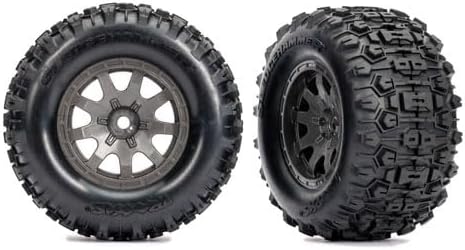
When it comes to efx motovator vs motohammer, getting the right details matters.
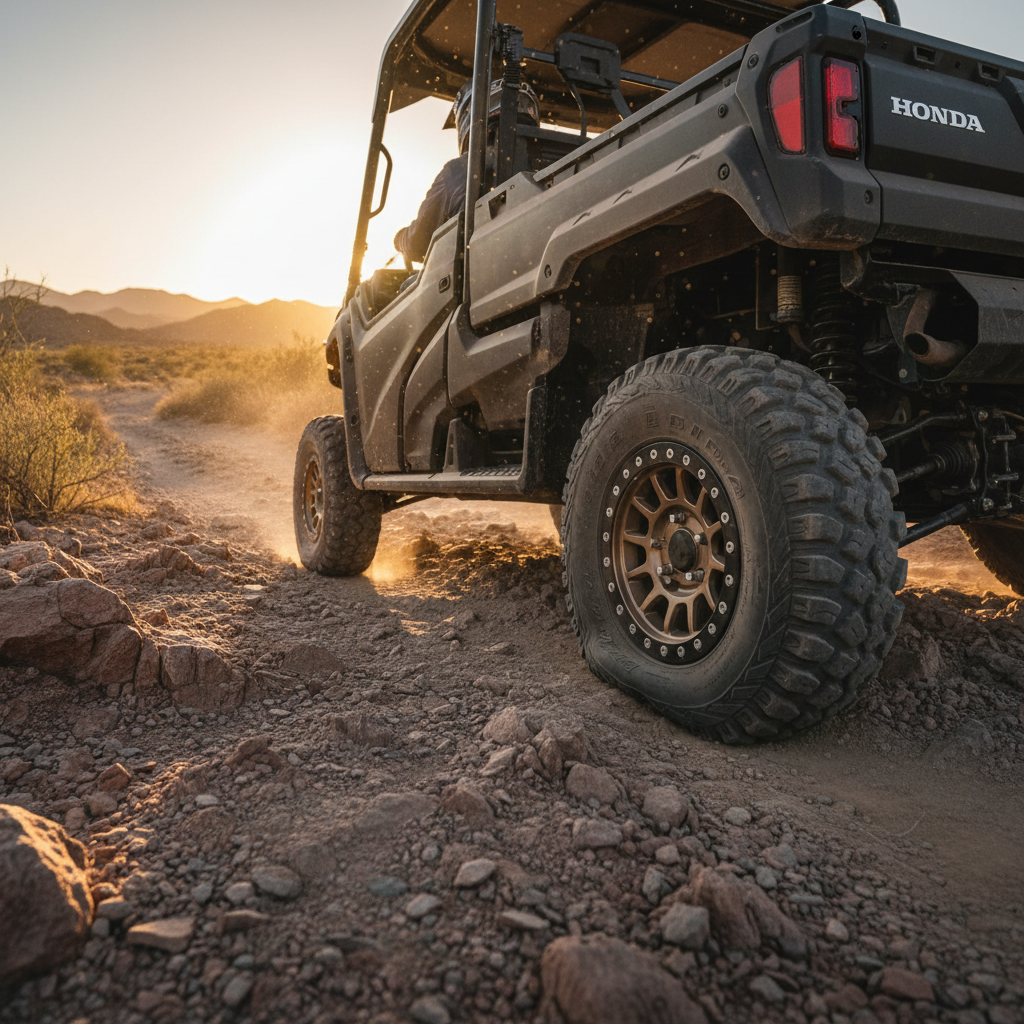
When you own a Honda Pioneer, you know that the stock rubber often leaves a lot to be desired, especially when you start pushing your machine on specialized terrain.
For 2025 and heading into the 2026 model year, the debate between the EFX MotoVator vs MotoHammer continues to dominate forum discussions and trailside chats.
Both tires come from the EFX Performance library, a brand that has cemented itself as a heavy hitter in the UTV industry, but they serve two very different masters.
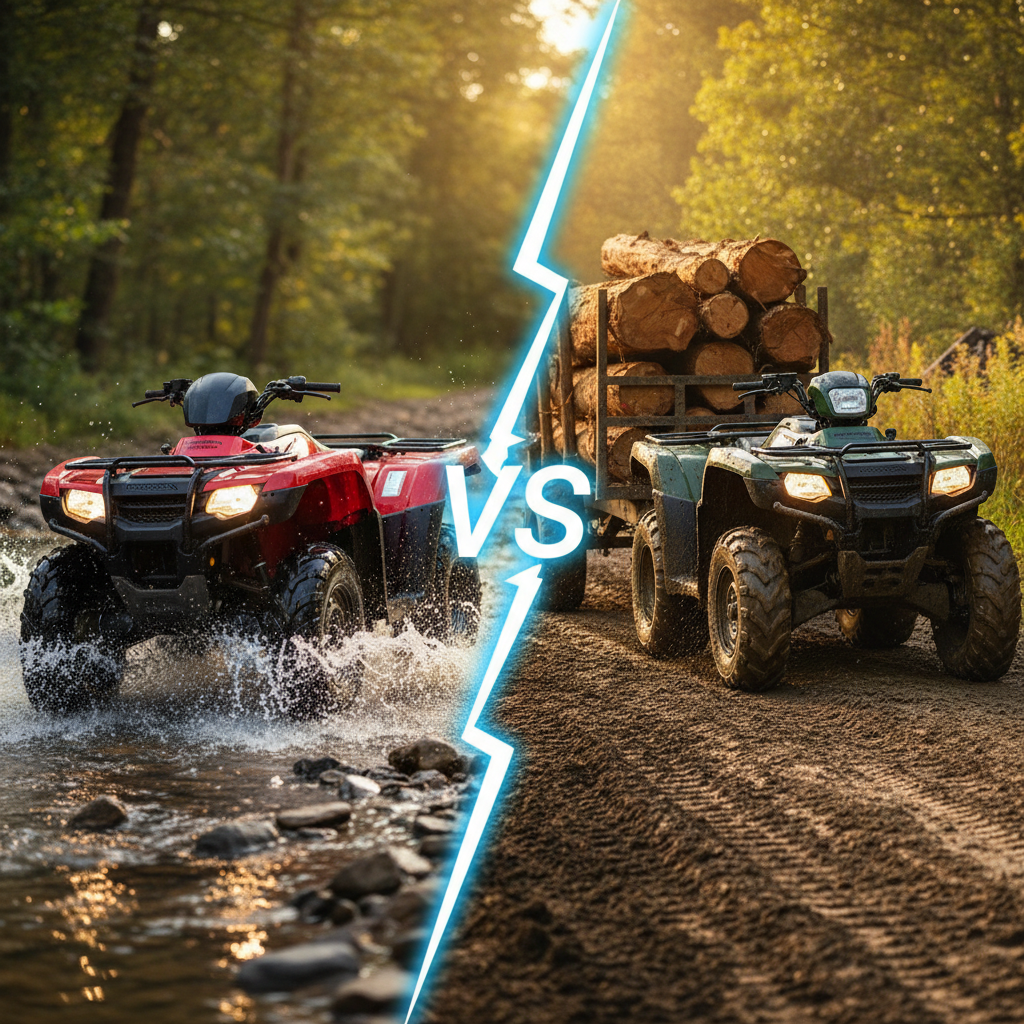
Are you looking for high-speed desert dominance or slow-crawling rock grip?
In this guide, we are diving deep into real-time data, recent rider feedback, and technical specs to help you decide which tire deserves a spot on your Pioneer.
The Contenders: A Quick Overview
Before we get into the nitty-gritty, let’s establish what these tires are actually designed to do.
The Honda Pioneer is a versatile machine, capable of farm work, trail riding, and technical crawling, so matching the tire to your specific driving style is critical.
EFX MotoVator: The High-Speed Assassin
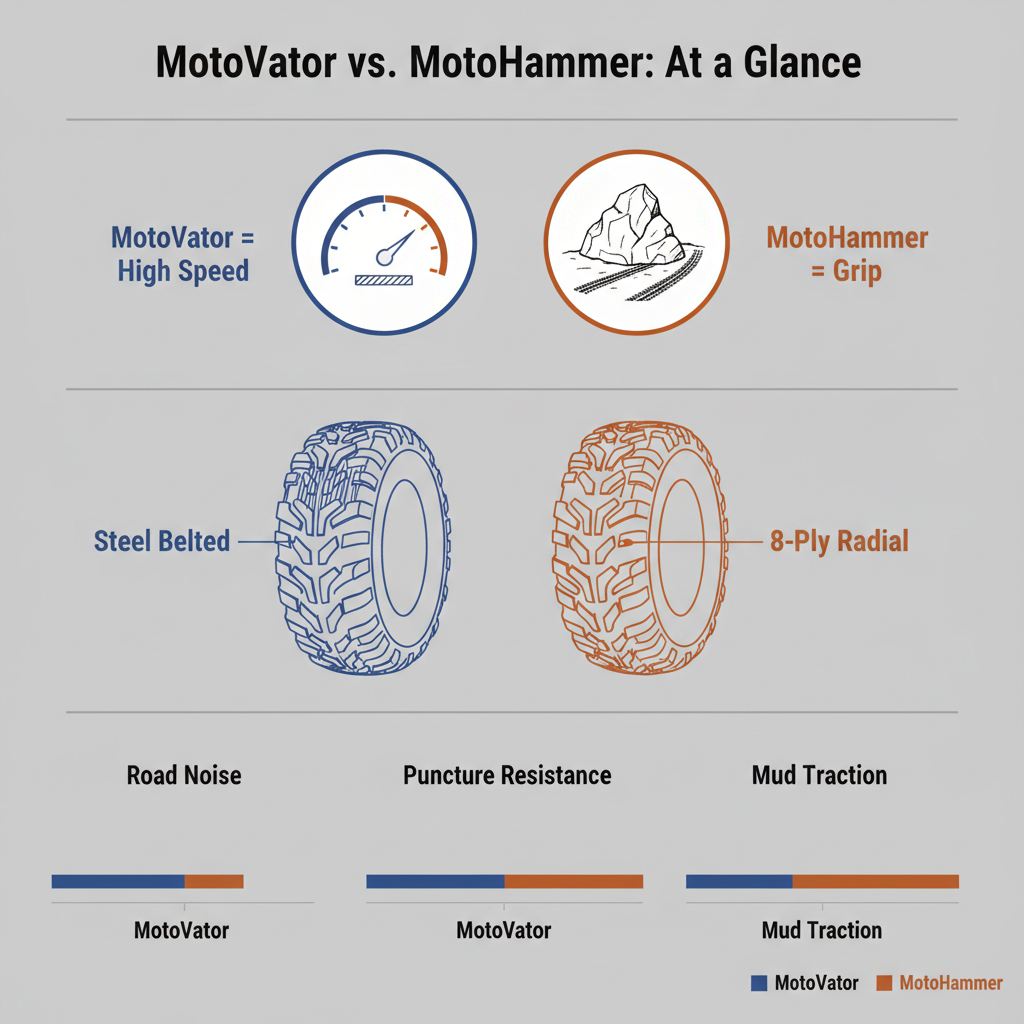
The MotoVator was developed specifically for the harsh terrain of UTV racing, utilizing light truck engineering to create a tire that stays stable at high speeds.
It features a steel-belted radial design, which is somewhat rare in the UTV world and offers incredible puncture resistance.
If you use your Pioneer for long varying trail rides where you maintain speeds of 30-50 MPH, this tire is engineered to keep you comfortable and safe.
“The MotoVator feels like it’s on rails. I’ve never felt more planted in my Pioneer 1000 at high speeds.”
EFX MotoHammer: The Hard-Pack King
On the other side of the ring, we have the MotoHammer, a tire that boasts one of the best contact patches on the market.
This is an 8-ply radial tire designed for hard-pack, rocks, and even asphalt (it is DOT approved, as is the MotoVator).
Check out our off-road collection Amazon products
The MotoHammer is about grip, traction, and a smooth ride on unforgiving surfaces like granite slabs or paved roads.
Technical Face-Off: Specs & Construction
Let’s look at the hard numbers and construction differences that set these two apart.
| Feature | EFX MotoVator | EFX MotoHammer |
|---|---|---|
| Construction | Steel-Belted Radial (8-Ply) | Standard Radial (8-Ply) |
| Best Terrain | Desert, Hard-Pack Trail, Racing | Rocks, Hard-Pack, Street, Roots |
| Tread Design | Tighter center lugs for speed | Open lug with massive contact patch |
| Durability | High (Steel belts resist punctures) | Medium-High (Soft compound wears faster) |
| Ride Quality | Firm, stable, precise | Plush, sticky, comfortable |
The MotoVator utilizes a steel-belted inner and outer bead which significantly reduces the chance of flats at high speeds.
In contrast, the MotoHammer uses a softer compound that allows the lugs to conform to rocks and terrain for superior grip.
While the MotoVator is tough as nails, the MotoHammer provides a plusher ride on choppy hard-pack due to its flexible sidewall and soft rubber.
Recent data from 2025 discussions suggests that Pioneer 1000-5 owners prefer the MotoHammer for mixed street/trail use because of its noise reduction.
Performance Analysis: Where They Shine
We analyzed data from recent trail reports and 2024-2025 user reviews to see how these tires perform in real-world Honda Pioneer scenarios.
The Case for the MotoVator
The MotoVator is the choice for the aggressive driver.
If you have a Pioneer 1000 and you like to drift around corners or blast through open desert washes, this tire is unmatched.
The elongated shoulder tread improves high and low-speed cornering, reducing the “rolling over” sensation that stock tires often have.
However, be aware that the steel belt makes the ride slightly stiffer; you might need to run lower PSI (around 12-15 PSI) to get the comfort you want on a utility vehicle.
https://www.youtube.com/watch?v=F0GkC5T8_vw
The Case for the MotoHammer
The MotoHammer is often called the “sticky” tire of the utility world.
Its shoulder tooth lug grips and grabs when you are navigating deep ruts or climbing out of a creek bed.
For Pioneer owners who use their rig for hunting or property management, the MotoHammer is often superior because it doesn’t tear up turf as badly as a mud tire, but grips wet roots better than a standard all-terrain.
The 1-inch lug depth is substantial enough for light mud, but don’t expect it to perform like a tractor tire in a swamp.
https://www.youtube.com/watch?v=1xK5L7j8z0o
The 2026 Perspective: New Updates & Fitment
Looking ahead to the 2026 model year, EFX has continued to refine their rubber compounds.
New reports indicate that the latest batches of MotoVators (specifically the R/T series) have improved sidewall flex without sacrificing the steel-belted strength.
Check out our off-road collection Amazon products
- Weight Considerations: The MotoHammer is a heavy tire; a 30-inch MotoHammer can weigh nearly 40 lbs, which may rob some power from a Pioneer 700.
- Sizing: Both tires are available in 27″ to 32″ sizes, perfect for the Pioneer wheel wells (though 30″ + may require forward A-arms).
- Wear Life: The MotoVator generally outlasts the MotoHammer on abrasive surfaces because of its harder compound.
- Street Legal: Both are DOT approved, making them legal for road use in states that allow it.
“If I’m doing 80% rocks and 20% trail, the MotoHammer is the only choice. It sticks like glue.”
Installation & Upgrades for Pioneer Owners
When upgrading to these heavier 8-ply tires, you need to consider your machine’s overall setup.
Honda Pioneers are gear-driven (no belt on the 700/1000), which is great for durability, but heavy tires can strain the sub-transmission clutch if you aren’t careful.
We recommend sticking to 28-inch tires if you are stock, or upgrading to 30-inch tires only if you are willing to install a clutch kit or tune.
https://www.youtube.com/watch?v=pG4hJ6d5q0o
Final Verdict: Which One Should You Buy?
The decision ultimately comes down to your terrain.
Choose the EFX MotoVator if: You ride fast, encounter sharp desert rocks, need puncture resistance, and do a lot of high-speed trail riding. 🌵
Choose the EFX MotoHammer if: You are a rock crawler, you ride on pavement/hard-pack frequently, or you want the smoothest, quietest ride possible. 🪨
Both tires are significant upgrades over the stock Ohtsu or Maxxis Bighorn 2.0 tires that come on many Honda models.
For more detailed information on Honda specs, visit the official Honda Powersports website.
To see the full lineup of EFX tires, check out EFX Tires.
For community discussions on tire weights and offsets, the HondaSxS Club is an invaluable resource.
If you are looking for wheels to pair with these tires, Wheel Pros distributes many compatible options.
Finally, always check your local regulations regarding DOT tire usage, which you can find via NHTSA guidelines.
🔍 Explore More: See all Wild Testing guides for efx motovator vs motohammer.
Check out our off-road collection Amazon products
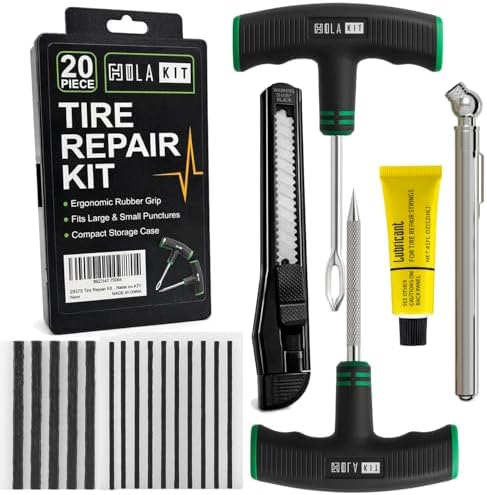
- Complete Tire Repair Kit – 20-piece kit includes T-handle rasp tool, T-handle insert tool, 15 tire repair strips, utilit…
- Heavy-Duty T-Handle Tools – Ergonomic design with HDPE core and rubber-coated grip ensures strength, comfort, and non-sl…
- Two Strip Sizes for Different Punctures – Comes with 5 thick plugs (0.24” × 4”) and 10 slim plugs (0.14” × 4”), perfect …

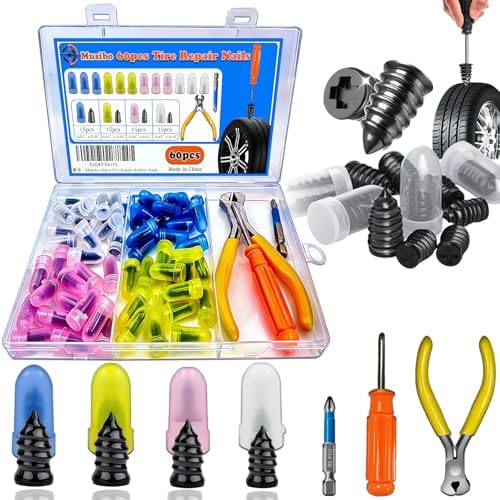
- Complete Fast Self-Service Tool: This kit includes everything you need for an instant tire fix. It features 60 durable r…
- Versatile 2-Size Design: Tackle any puncture with our dual-size rubber screw plugs. The Small (0.2×5.1in) nails are perf…
- Secure “Rubber Nail” Technology: Experience a stronger bond with our unique spiral screw-in design. Unlike traditional s…
- Package Included: Rubber nails tire repair kit includes 80 high-quality tire repair nails in 4 practical sizes: 10pcs 0….
- Durable Material & Secure Seal: Tire screw plug repair kit, Engineered from premium rubber reinforced with iron cores, o…
- Easy to Use: Screw in tire plugs, These tire plugs can fix punctures in just 3 simple steps,(1) Check the puncture hole …