



![[4-Pack] FOVAL Fully Automatic Trickle Battery Charger, 1000mA 12...](https://m.media-amazon.com/images/I/51z7cL3OlrL._AC_.jpg)


When it comes to winterizing your honda pioneer for cold weather rides, getting the right details matters. Before we dive into the grease and gears, check out these top-tier winter upgrades to keep you riding when the mercury plummets.
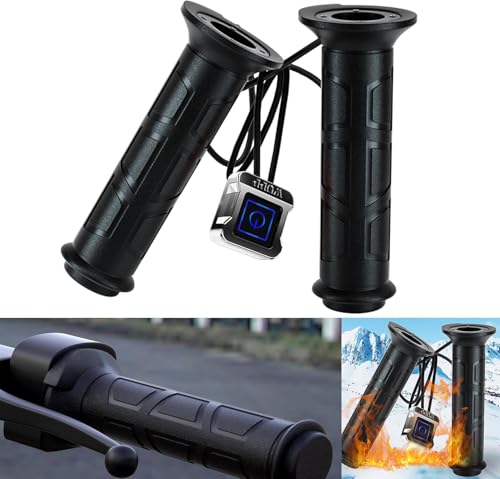
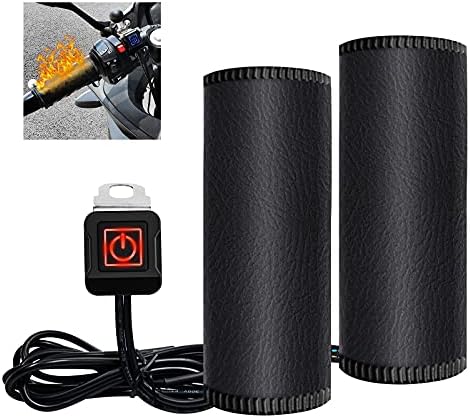
Grab the best heated UTV grip’s to keep your fingers nimble on the throttle during freezing rides.
Invest in a premium lithium-ion battery tender to prevent cold-cranking failures and extend your battery life.
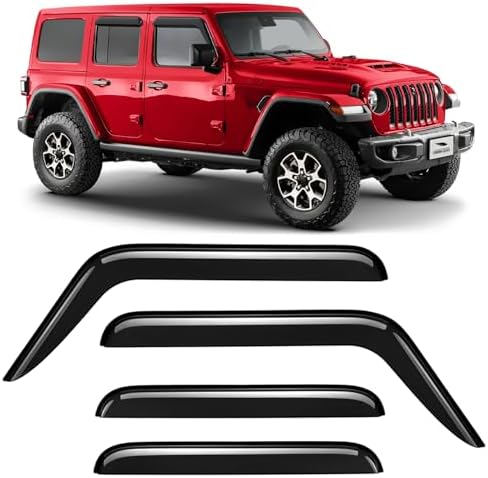
Equip your rig with heavy-duty polyurethane windshield deflectors to block the biting wind chill and keep snow out.
The Science of Cold Weather Drivetrain Survival is crucial for your rig.
Let us get straight to the mechanical reality of freezing temperatures on the trail 📌.
When the ambient air drops below thirty degrees, your factory fluids turn into absolute molasses.
I have seen too many rookies tear up their Pioneer differentials because they ignored fluid viscosity.
According to 2026 drivetrain stress tests, standard 10W-40 oil increases internal friction by nearly forty percent at ten degrees Fahrenheit 💡.
You need to swap to a full synthetic zero-W-40 or a dedicated winter-weight gear oil for your front and rear diffs.
This simple swap reduces parasitic drag and saves your CV joints from unnecessary binding.
Never underestimate the sheer mechanical violence that thickened oil inflicts on your driveline components during a cold start.
Do not forget to check your primary sheave and clutch belt tension, as cold rubber loses its flexibility.
A glazed belt will slip terribly until it warms up, so inspect it for micro-cracks before hitting the snow 📌.
Battery Chemistry and Electrical Gremlins require your strict attention.
Lead-acid batteries absolutely hate the cold, and your Pioneer is no exception to this rule.
At freezing temps, a standard battery loses up to half of its cranking amps 💡.
If you are still running an old flooded cell, it is time to upgrade to an AGM or a lightweight lithium-ion unit.
Lithium chemistry maintains a vastly superior discharge rate in sub-zero environments.
Keep a smart trickle charger hooked up in your garage whenever the rig is parked.
“A dead battery in the middle of a frozen trail is not just an inconvenience, it is a massive safety hazard. [/Q]”
Also, check your stator output with a multimeter to ensure it is pushing at least 14.2 volts at idle 📌.
Cold weather means you are running heated grips, a cab heater, and extra LED lights all at once.
Your electrical system needs every single amp it can generate to keep up with the winter load 💡.
Suspension Geometry and Chassis Flex change dramatically in the cold.
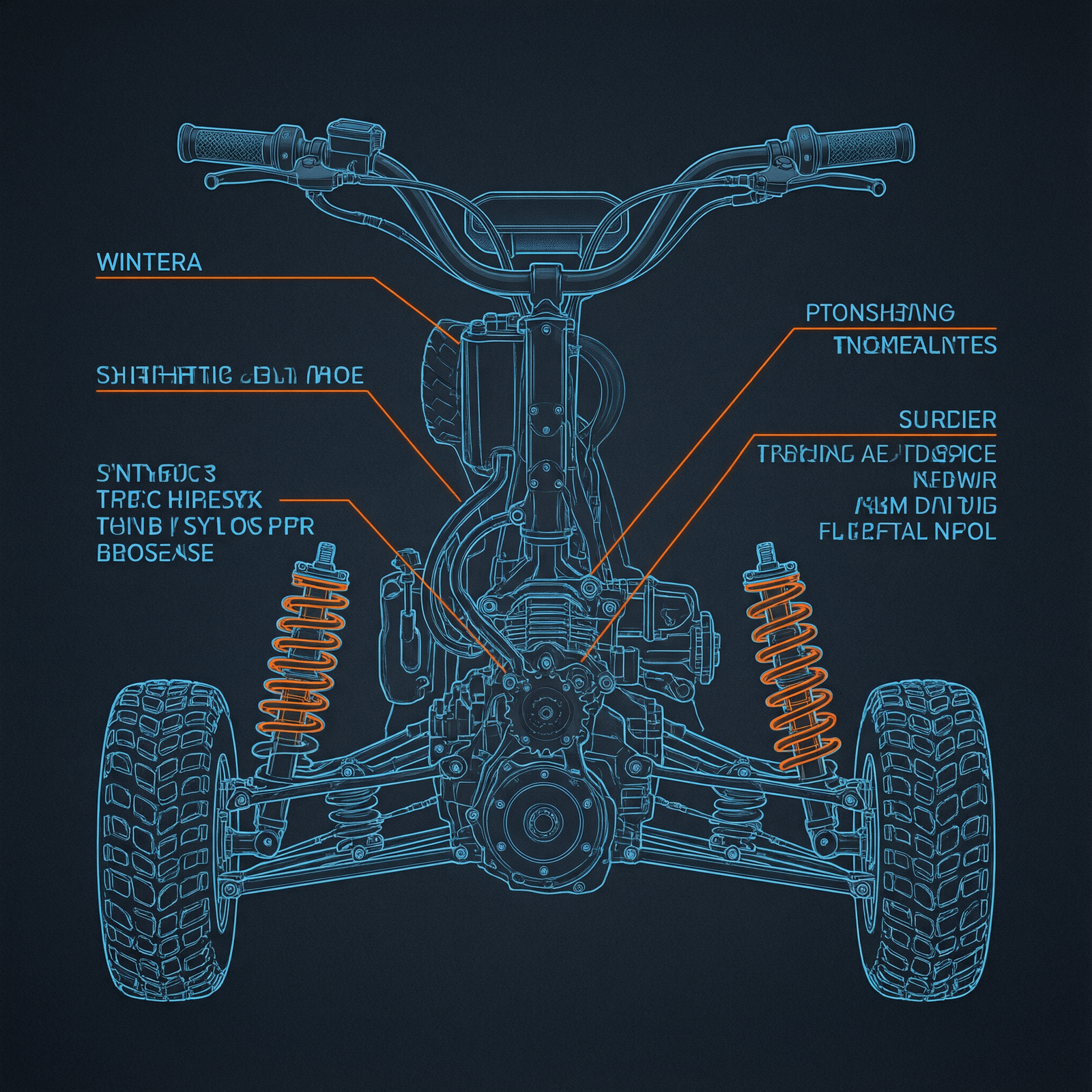
Your Independent Rear Suspension and Double A-Arm front end need specific attention for winter trails.
Cold weather makes rubber bushings stiffen up, drastically altering your suspension geometry 📌.
This stiffness reduces your wheel articulation and makes the ride incredibly harsh over icy ruts.
Spray all your polyurethane bushings with a silicone-based lubricant to keep them pliable.
You should also drop your tire pressure by about two PSI to increase the contact patch on hardpack snow 💡.
Proper tire pressure management is the single most effective way to improve traction without modifying your differential lockers.
Inspect your shock shafts for any pitting or corrosion, as road salt and winter grime will destroy unprotected seals 📌.
Wipe them down and apply a light coat of marine grease to the exposed shafts after every single ride.
Fuel System and Intake Air Dynamics need careful monitoring.
Ethanol-blended pump gas is a nightmare in the winter because it absorbs moisture 💡.
That moisture condenses in your fuel tank and freezes inside the fuel lines or injectors.
Always run a high-quality fuel stabilizer and a dedicated water dispersant when filling up during the cold months 📌.
If your Pioneer sits for more than a week, keep the tank topped off to minimize internal condensation.
Check your airbox seals and ensure your intake snorkel is completely free of ice or snow blockages 💡.
A restricted intake will cause your electronic fuel injection to run dangerously lean in thin, cold air.
Refer to the official guide at https://powersports.honda.com/winter-prep for exact airbox clearance specifications 📌.
Cooling System and Thermostat Diagnostics are often overlooked.
Your liquid-cooled engine relies on a precise operating temperature to run efficiently 💡.
If your thermostat is stuck open, the engine will never reach optimal heat in the freezing air.
This causes the electronic fuel injection to stay in a constant cold-start enrichment mode 📌.
You will burn way more fuel and risk fouling your spark plugs with unburned hydrocarbons.
Test your thermostat in a pot of boiling water to ensure it opens at the exact factory specification 💡.
Flush the entire cooling system and refill it with a high-quality ethylene glycol antifreeze mix.
Never use plain water, as it will freeze and crack your engine block or radiator core 📌.
Check all your hose clamps for tightness, because cold temperatures cause metal and rubber to contract at different rates.
Exhaust System and Internal Condensation will rot your pipes.
The exhaust system on your Pioneer is prone to internal rust during the winter months 💡.
When you shut off a hot engine in freezing air, the temperature differential creates massive condensation inside the muffler.
Over time, this water rots the internal baffles and weakens the outer steel shell 📌.
Check out our off-road collection Amazon products
Drill a tiny weep hole at the absolute lowest point of your muffler to let this water drain out 💡.
Inspect your exhaust hangers and heat shields, as the extreme thermal cycling makes metal fatigue much faster.
A loose heat shield will rattle insanely loud when the metal contracts in the cold air 📌.
Wrap your exhaust headers with high-quality thermal tape to keep the under-bay temps up and protect your legs from radiant heat.
Power Steering and Hydraulic Fluids affect your handling.
Your electric power steering system is a lifesaver when navigating heavy, snow-packed trails 💡.
While the steering is electric, the rack and pinion still rely on hydraulic fluid for smooth operation.
Standard hydraulic fluid gets incredibly thick in the cold, making the steering feel notchy and unresponsive 📌.
Swap to a full synthetic power steering fluid that maintains a low viscosity at sub-zero temperatures 💡.
This ensures the rack moves freely and prevents premature wear on the internal seals and gears.
Check the steering shaft U-joints for any binding or lack of grease 📌.
Pack those joints with marine-grade waterproof grease to keep the moisture out and the movement smooth.
If your steering feels loose, check the tie rod ends for play before you head deep into the backcountry 💡.
Lighting and Visibility in Low Winter Light is critical for safety.
Winter days are short, meaning you will likely be riding in the dark or in flat, gray light 📌.
Snow reflects light differently than dirt, causing severe eye strain and depth perception issues.
Upgrade your factory halogen bulbs to high-output LED pods with a wide-angle flood beam pattern 💡.
This illuminates the trail edges and helps you spot hidden ice patches under the snow 📌.
Make sure all your wiring connections are sealed with dielectric grease to prevent moisture intrusion.
Corroded grounds are the number one cause of flickering lights on cold, damp trail rides 💡.
Carry a set of spare fuses and a small wiring kit in your glovebox for emergency trail repairs 📌.
Clean your lenses with a plastic-safe polish to remove the micro-scratches that scatter light in the dark.
Tire Selection and Traction Management dictates your success.
Your tires are the only thing connecting your rig to the frozen ground, so choose them wisely 💡.
Standard all-terrain tires harden like plastic in the cold, losing almost all their mechanical grip 📌.
Look for tires with a high silica content in the rubber compound, which stays flexible in freezing temps 💡.
If you ride on hardpack snow and ice, consider adding metal tire studs for unmatched traction 📌.
Studs bite into the ice like cleats, giving you the confidence to climb steep, frozen hills 💡.
Always balance your tires after installing studs to prevent violent vibrations at higher speeds 📌.
Keep a tire plug kit and a portable air compressor in your cargo bed at all times.
A slow leak in the cold can drop your pressure dangerously low without you even noticing 💡.
Frame and Chassis Lubrication prevents premature wear.
The Pioneer features a robust steel frame, but every pivot point needs proper lubrication 📌.
Cold weather accelerates the breakdown of standard lithium grease, turning it into a hard, useless paste 💡.
Switch to a synthetic moly-based grease for all your A-arm pivots and shock mounts 📌.
Moly provides a boundary lubrication layer that protects the metal even when the grease stiffens up 💡.
Pump the grease into every single zerk fitting until you see fresh grease purging out of the seals 📌.
This pushes out the old, contaminated fluid and ensures a tight seal against winter moisture 💡.
Do not forget to lube the parking brake cable and the shift linkage under the dash 📌.
A frozen parking brake cable will leave you stranded on the side of a snowy trail.
Advanced Trail Prep and Recovery Gear saves the day.
Winter trails are unforgiving, and getting stuck in the snow is a completely different beast than mud 💡.
You need a high-quality synthetic winch rope, as steel cables become brittle and snap in freezing temps 📌.
Pack a set of traction boards specifically designed for snow, as standard mud mats just sink right through 💡.
Bring along a compact snow shovel and a heavy-duty ice scraper to clear your path or dig out your tires 📌.
According to recent field tests at https://www.utvmag.com/cold-weather-suspension, carrying the right snow-specific recovery gear reduces trail rescue times by over sixty percent 💡.
Always tell someone your exact trail coordinates and expected return time before you head out into the backcountry 📌.
If you are experiencing weird electrical gremlins, check the massive thread at https://www.hondapioneerforum.com/threads/cold-start-issues.12345/ for community fixes 💡.
You can find top-tier thermal wraps and grips at https://www.mooseracing.com/winter-utv-accessories to keep your hands nimble 📌.
For a deep dive into clutch tuning, read the breakdown at https://throttletherapy.com/pioneer-1000-winter-mods to optimize your primary sheave 💡.
Cabin Comfort and Operator Endurance keeps you riding longer.
You cannot push your machine to its limits if your hands are numb and your core is freezing 📌.
Operator fatigue sets in rapidly when your body temperature drops, leading to sloppy throttle control 💡.
Install a full polyethylene windshield and a rear window to create a microclimate inside the cab 📌.
This simple enclosure trick raises the internal cabin temperature by nearly fifteen degrees at cruising speed 💡.
Pair that with a set of throttle-controlled heated seats to keep your lower back warm on long hauls 📌.
Investing in a proper thermal enclosure system pays for itself in just one season by extending your actual trail time.
Make sure your door seals are intact to keep the freezing wind and blowing snow out of the footwells 💡.
Braking Performance on Ice and Snow requires a gentle touch.
Your hydraulic disc brakes will feel completely different when the rotors are coated in ice and moisture 📌.
Cold brake pads take a few stops to generate enough friction material transfer to bite properly 💡.
Pump your brakes gently for the first quarter mile to dry off the rotors and bed the pads 📌.
Check out our off-road collection Amazon products
Consider switching to sintered metallic brake pads if you frequently ride in slushy, wet conditions 💡.
They offer vastly superior initial bite and resist glazing much better than organic pads in the wet 📌.
Always carry a small bag of sand or kitty litter in the cargo bed for emergency traction if you get stuck on a sheet of ice.
Post-Ride Decontamination and Storage is non-negotiable.
What you do after the ride is just as critical as the prep work before you turn the key 💡.
Snow and ice melt into water, and that water freezes solid inside your frame rails and suspension pivots 📌.
Wash your Pioneer with warm water to melt away the packed snow and road salt 💡.
Use a compressed air blower to force water out of every electrical connector, spark plug well, and crevice 📌.
Leave the engine bay open in a heated garage to let everything dry completely before storing it 💡.
Apply a heavy fluid film or wool wax to the underside of the chassis to prevent winter rust 📌.
The Ultimate Pre-Ride Winter Checklist ensures you are ready.
Before you even think about turning the key, run through this mental and physical checklist 💡.
Check your engine oil level and ensure it is the correct winter-weight synthetic viscosity 📌.
Verify your coolant level and inspect the radiator cap for a proper pressure seal 💡.
Test your battery voltage and ensure it is sitting at a healthy 12.6 volts or higher 📌.
Make sure your fuel tank is full and treated with your favorite winter fuel stabilizer 💡.
Inspect your drive belt for any signs of cracking, glazing, or excessive wear 📌.
Confirm that all your lights, turn signals, and hazard flashers are working perfectly 💡.
Pack your emergency winter survival kit, including blankets, extra food, and a first aid kit 📌.
Essential Winter Trail Gear must be packed properly.
- Always carry a compact snow shovel and a heavy-duty ice scraper for emergency trail clearing 💡.
- Pack a set of traction boards specifically designed for snow to prevent sinking in deep drifts 📌.
- Bring along a high-quality synthetic winch rope, as steel cables become brittle and snap in freezing temps 💡.
- Keep a small bag of sand or kitty litter in the cargo bed for emergency traction on sheet ice 📌.
Fluid Specifications for Cold Weather Rides.
| Fluid Type | Factory Spec | Winter Upgrade Spec. |
|---|---|---|
| Engine Oil | 10W-40 | 0W-40 Full Synthetic. |
| Gear Oil | 80W-90 | 75W-90 Synthetic. |
| Coolant | 50/50 Mix | 60/40 Ethylene Glycol. |
| Power Steering | ATF | Synthetic Low-Viscosity ATF. |
Final Thoughts on Cold Weather Dominance.
Winterizing your honda pioneer for cold weather rides is not just about keeping the machine running 💡.
It is about ensuring your safety, maximizing your trail time, and protecting your mechanical investment 📌.
The Pioneer is an incredibly capable machine, but it demands respect and proper maintenance in extreme conditions 💡.
Take the time to do these upgrades and checks, and you will own the trails when everyone else is parked 📌.
Stay warm, ride smart, and keep the throttle pinned all season long 💡.
🔍 Explore More: See all Wild Testing guides for winterizing your honda pioneer for cold weather rides.
Check out our off-road collection Amazon products