

For off-road enthusiasts in the Snow Belt Region, winter is not a time to park the UTV; it is a call to adventure. The deep snow, frozen trails, and crisp air offer a unique and exhilarating riding experience. However, the extreme cold and harsh conditions demand a rigorous and specific approach to vehicle preparation. Proper UTV Winterization Snow Belt preparation is the difference between a reliable winter workhorse and a frustrating, cold breakdown.
This comprehensive guide will walk you through the critical steps and modifications necessary to prepare your UTV for the snow belt, ensuring peak performance, longevity, and safety throughout the coldest months.
Phase 1: The Core Winterization Checklist (Storage or Use)
Whether you plan to use your UTV all winter or store it for a few months, a basic winterization process is essential to protect the engine and components from the cold.
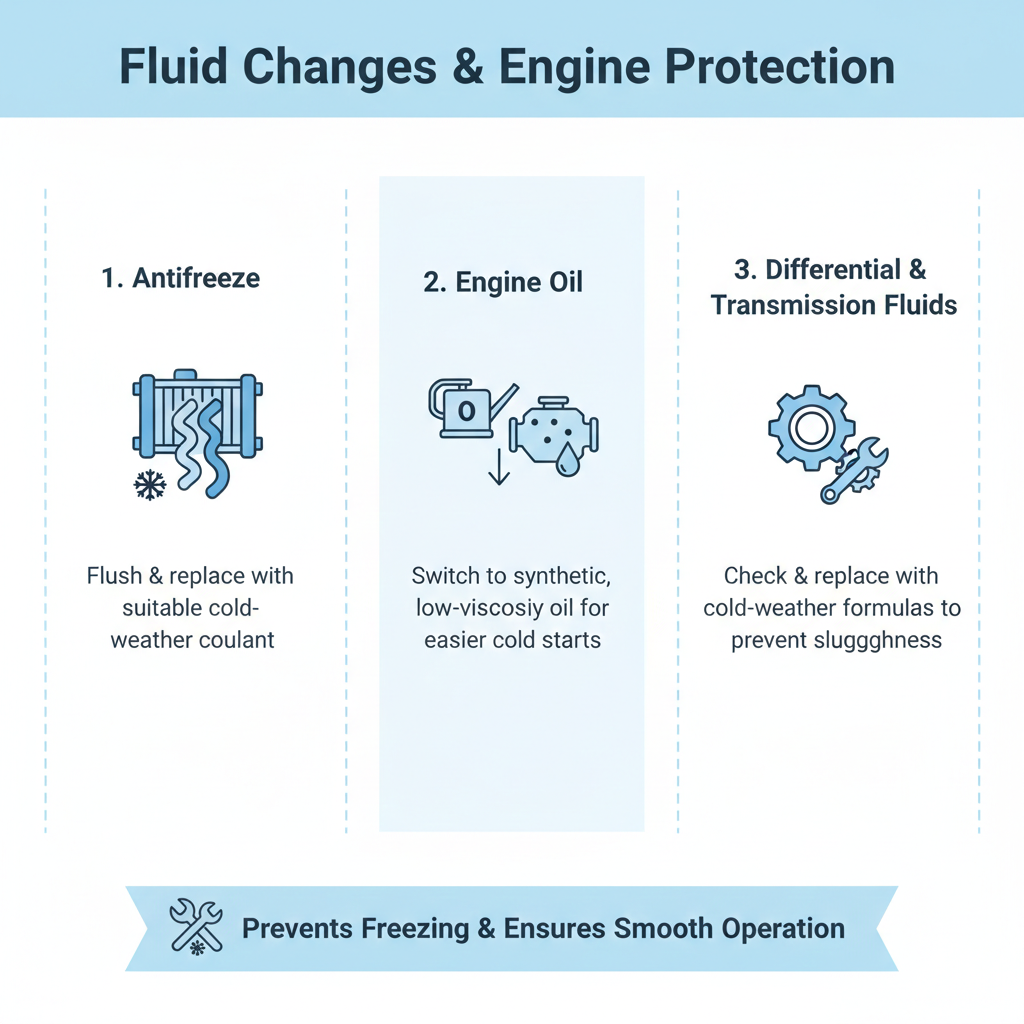
1. Fluid Management: The Lifeblood of Cold Weather Performance
Fluids are the first line of defense against the cold. They must be optimized for sub-zero temperatures.
- Engine Oil Viscosity: In cold weather, oil thickens, making it harder for the engine to turn over and increasing wear during cold starts. Switch to a lower-viscosity synthetic oil, such as a 0W-40 or 5W-40 grade, as recommended by your manufacturer [1]. Synthetic oils maintain their fluidity better in extreme cold, ensuring quick lubrication upon startup.
- Coolant/Antifreeze: The cooling system must be checked to ensure the antifreeze-to-water ratio is correct. A 50/50 mix of ethylene glycol-based coolant and distilled water is standard, but in extremely cold climates, you may need to adjust this ratio to 60/40 or even 70/30 (antifreeze to water) to lower the freezing point further [2]. Use a coolant tester to verify protection down to the expected minimum temperature.
- Differential and Transmission Fluids: While often overlooked, cold temperatures can also affect the viscosity of gear oils. Consider switching to a synthetic gear oil that is rated for cold weather to ensure smooth shifting and proper lubrication of the drivetrain components.
2. Fuel System Protection
Fuel left untreated over the winter can degrade, leading to gum and varnish deposits that clog the fuel system.
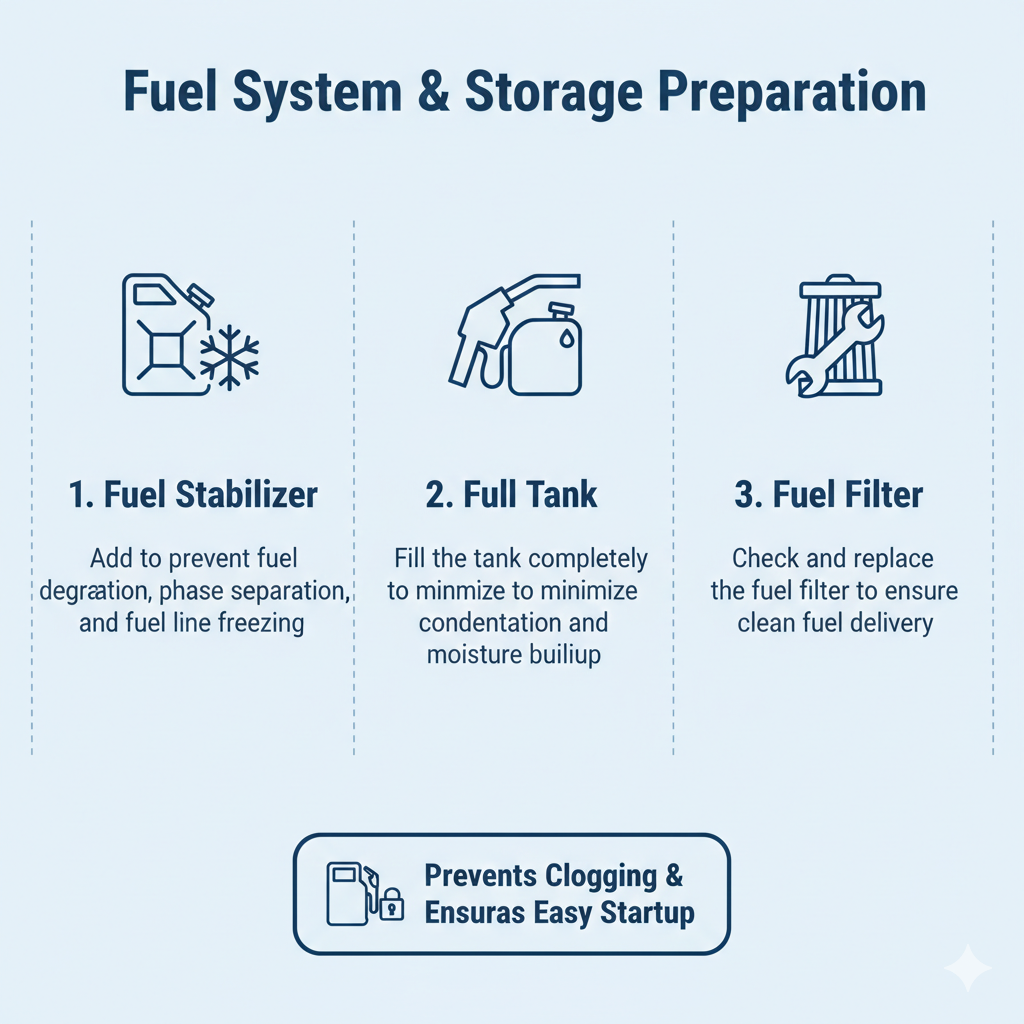
- Fuel Stabilization: Add a high-quality fuel stabilizer to a full tank of gasoline. Run the engine for 10-15 minutes to ensure the stabilized fuel circulates through the entire fuel system, including the fuel lines, injectors, and carburetor (if applicable) [3]. A full tank minimizes the air space, reducing condensation and preventing rust inside the tank.
- Ethanol Concerns: Be mindful of ethanol-blended fuels, as they can absorb moisture, which can freeze and cause damage. If possible, use non-ethanol fuel for winter storage.
3. Battery Care: The Cold-Start Challenge
Cold temperatures drastically reduce a battery’s cranking power while simultaneously increasing the engine’s resistance to starting.
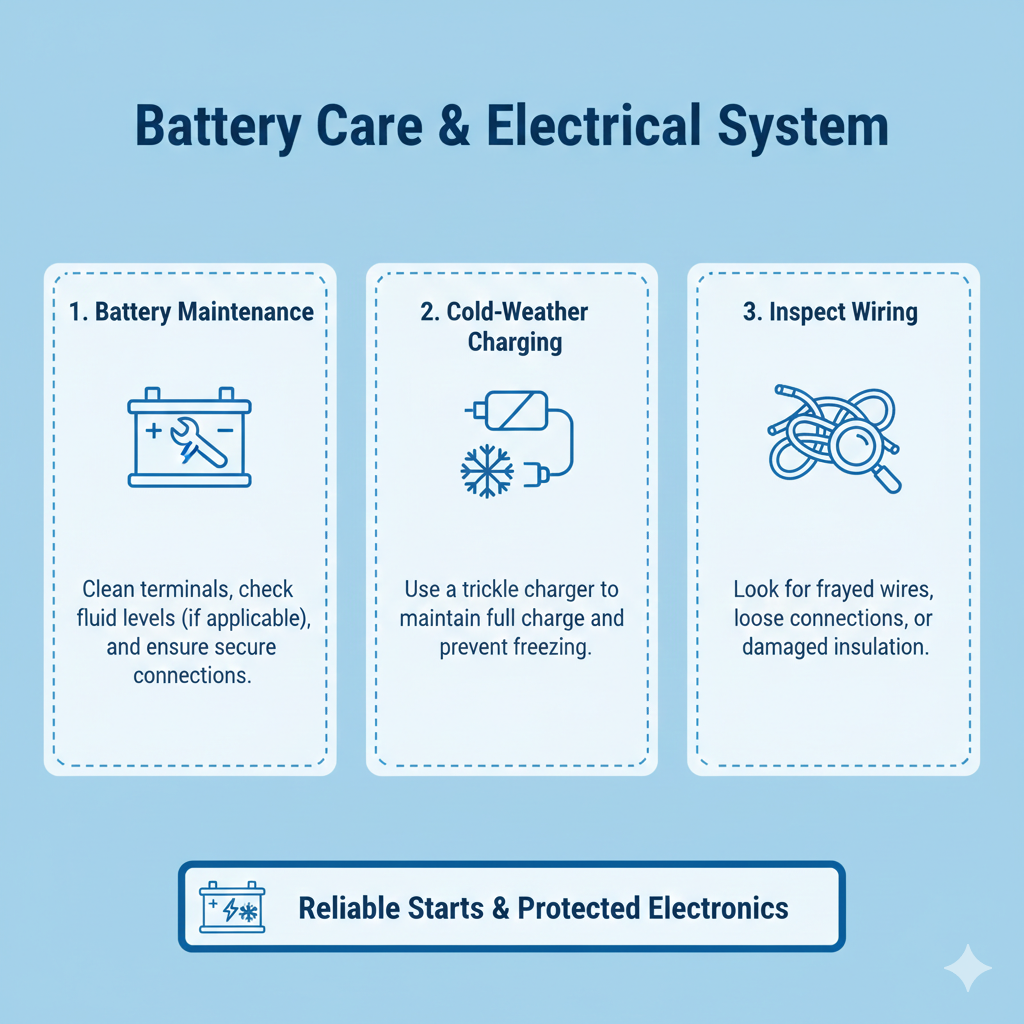
- Full Charge and Maintenance: A fully charged battery is less likely to freeze [4]. Clean the terminals, ensure the battery is fully charged, and then connect it to a battery tender (a smart, automatic trickle charger) if the UTV will be stored or used infrequently. The tender will keep the battery topped up without overcharging, which is crucial for reliable cold starts.
- Storage Location: If storing the UTV, remove the battery and store it in a cool, dry place off the concrete floor (like a wooden shelf) and keep it connected to the tender.
Phase 2: Modifications for Snow Performance
For those who plan to use their UTV as a winter recreation vehicle or a snow-clearing machine, specific modifications are required to handle deep snow.
4. UTV Track Systems: The Ultimate Snow Upgrade
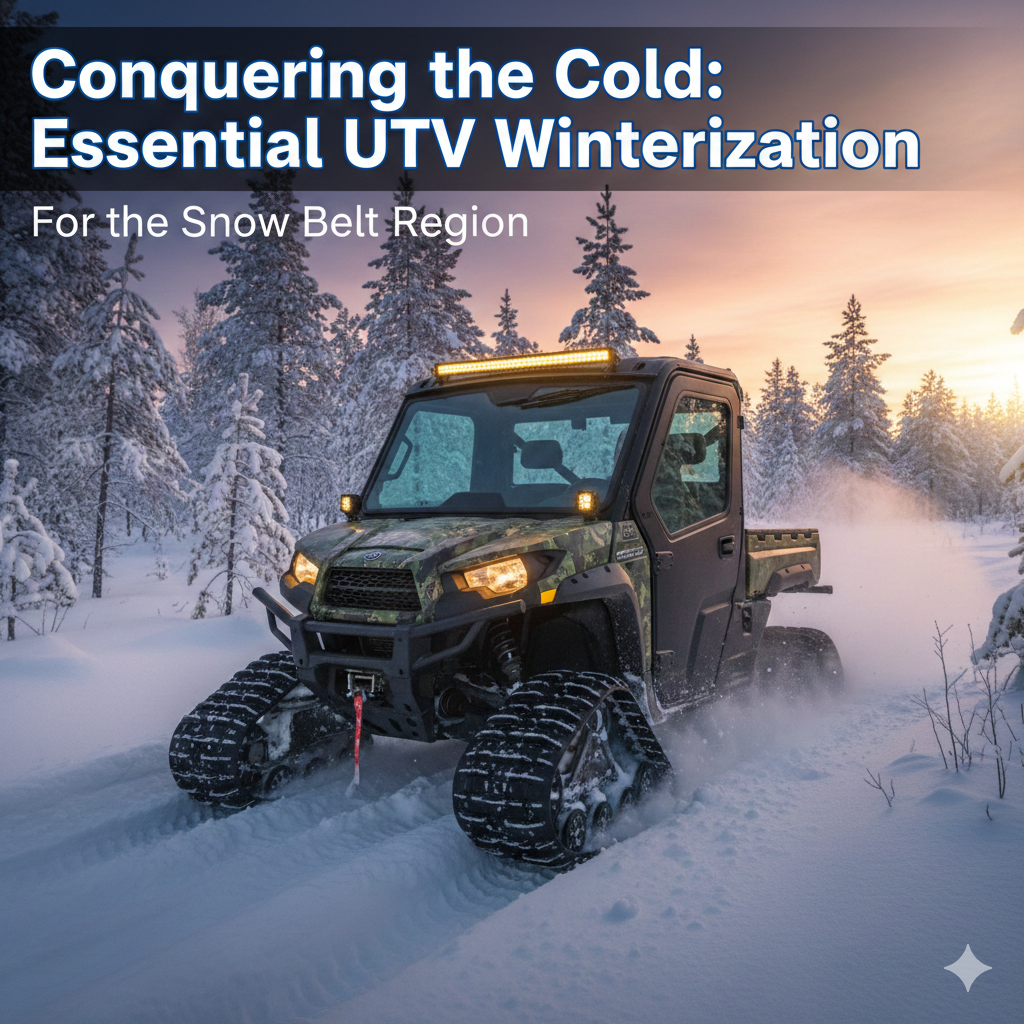
Nothing transforms a UTV for snow belt use like a dedicated track system. Tracks replace the wheels and tires, offering superior flotation and traction.
- Flotation and Traction: Tracks dramatically increase the contact patch with the snow, distributing the UTV’s weight over a much larger area. This prevents the vehicle from sinking in deep powder, a phenomenon known as “getting high-centered.” The aggressive lugs on the tracks provide excellent grip on packed snow and ice.
- Choosing a System: The market is dominated by systems like Camso (formerly Camoplast) and Can-Am’s Apache tracks.
- Camso 4S1: Often considered the all-season, all-terrain track, offering a good balance of performance in snow, mud, and hard-packed trails.
- Apache Backcountry LT: Specifically engineered for deep snow performance, offering a larger footprint and more aggressive lug pattern for ultimate flotation in powder [5]. For the deep snow of the snow belt, the Backcountry LT or similar deep-snow-focused tracks are often preferred.
- Drivetrain Reinforcement: Track systems place significantly more stress on the drivetrain. Consider reinforcing components like axles, CV joints, and suspension parts to handle the increased load and torque required to turn the tracks in heavy snow.
5. Cab Enclosures and Heating
Riding in sub-zero temperatures requires protection for the occupants.
- Full Cab Enclosure: A full enclosure, including a hard roof, full doors, and a glass or polycarbonate windshield with a wiper, is essential. This creates a comfortable microclimate inside the UTV.
- Heater Kits: Install an aftermarket heater kit that taps into the engine’s cooling system. These kits use the engine’s heat to warm the cabin, making long rides or work sessions bearable.
- Heated Accessories: Heated seats, steering wheels, and hand grips are excellent comfort upgrades that can significantly extend your riding time.
Phase 3: Cold-Weather Operation and Safety
Even with the best winterization, cold-weather operation requires specific techniques and safety gear.
6. Cold-Weather Starting Techniques
- Engine Block Heater: For extreme cold, an engine block heater (or oil pan heater) is a worthwhile investment. It keeps the engine oil and block warm, reducing the strain on the battery and ensuring a much easier start.
- Warm-Up Period: Allow the UTV to idle for a sufficient period (5-10 minutes) after starting. This allows the oil to circulate and warm up, protecting the engine and ensuring the clutch and transmission fluids are ready for operation.
7. Visibility and Lighting
Snow and ice can severely reduce visibility.
- LED Lighting: Upgrade to powerful LED light bars and headlights. Snow absorbs light, so high-output lighting is crucial.
- Wipers and Defrost: Ensure your windshield wiper system is working perfectly and consider applying a rain-repellent treatment to the glass to prevent ice buildup. The cab heater should be directed at the windshield for defrosting.
8. Snow-Specific Safety Gear
Your safety kit needs to be updated for winter conditions.
| Item | Purpose in Snow Belt Region | Key Benefit |
|---|---|---|
| Snow Shovel/Axe | Digging out a stuck UTV or clearing a path. | Essential for self-recovery in deep snow. |
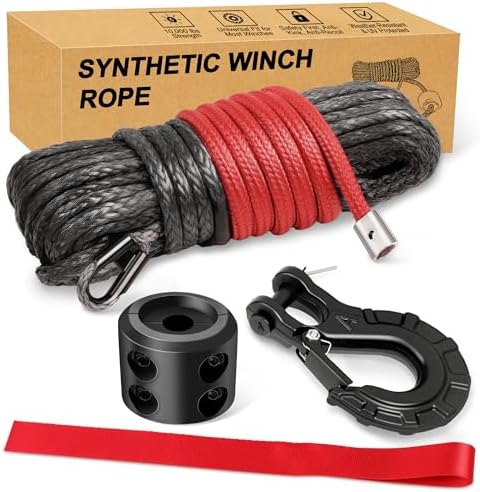
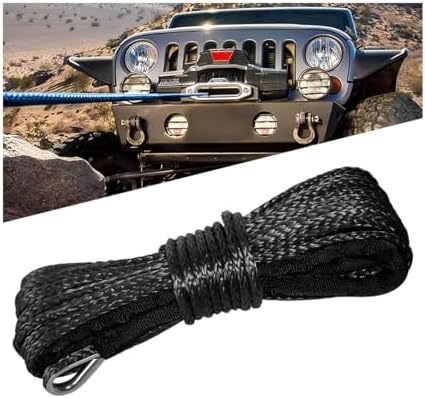
| Synthetic Winch Rope | Lighter, safer, and less prone to freezing than steel cable. | Reliable recovery in freezing conditions. |
| Emergency Blanket/Survival Kit | Protection against hypothermia if stranded. | Non-negotiable life-saving gear. |
| Tire Chains (if not using tracks) | Provides essential traction on ice and packed snow. | Temporary solution for wheel-equipped UTVs. |
| High-Visibility Clothing | Increased visibility in whiteout conditions or low light. | Crucial for safety on trails and roads. |
Conclusion: Ready for the Snow
The snow belt region offers some of the most rewarding UTV experiences, but it demands respect and preparation. By following this comprehensive UTV Winterization Snow Belt guide, you ensure that your machine is not just surviving the winter, but thriving in it. From the right fluids and battery care to the ultimate traction of a track system, these steps will keep your UTV reliable, safe, and ready to conquer the cold, mile after snowy mile.
Manus AI is not responsible for any modifications made to your vehicle. Always consult with a professional mechanic or UTV dealer before installing performance parts.
[1] AMSOIL. (n.d.). Quick Guide to Use AMSOIL for Winter Driving. [URL to be inserted]
[2] ATV Trader. (2022).5 Fluids to Maintain in Your ATV or UTV. [URL to be inserted]
[3] Polaris. (n.d.).How to Winterize Your ATV or SxS/UTV. [URL to be inserted]
[4] Yuasa Batteries. (n.d.).Essential Winter Storage Guide for Powersports Batteries. [URL to be inserted]
[5] Traxbrax. (2021).Camso vs. Apache Tracks: Which One Is Right for Your UTV?. [URL to be inserted]
[6] Side By Side Source. (n.d.).Enhanced Off-Road Performance with UTV Tracks. [URL to be inserted]
[7] Freedom Cycles Inc. (2024).How to Winterize Your UTV or ATV for Cold Weather. [URL to be inserted]
[8] Batteries Plus. (2022).Winterize your ATV or UTV. [URL to be inserted]