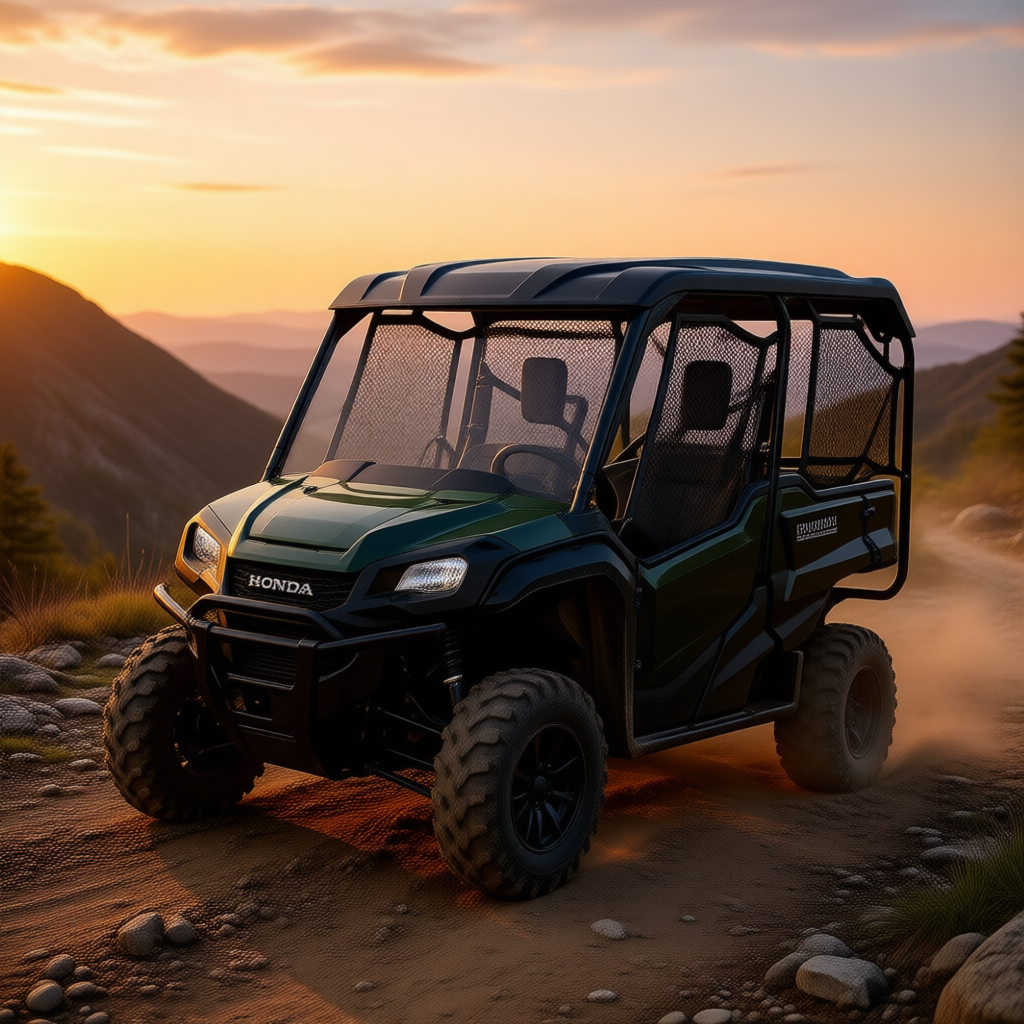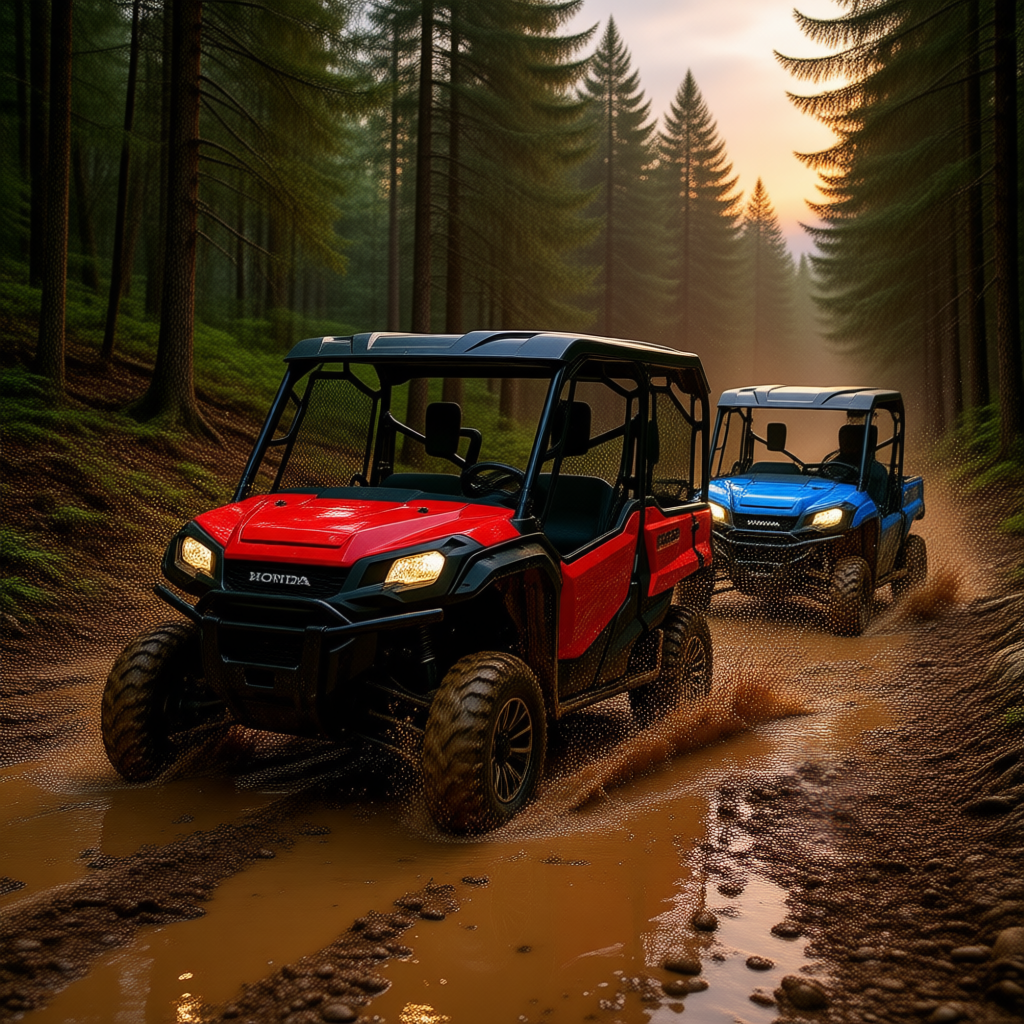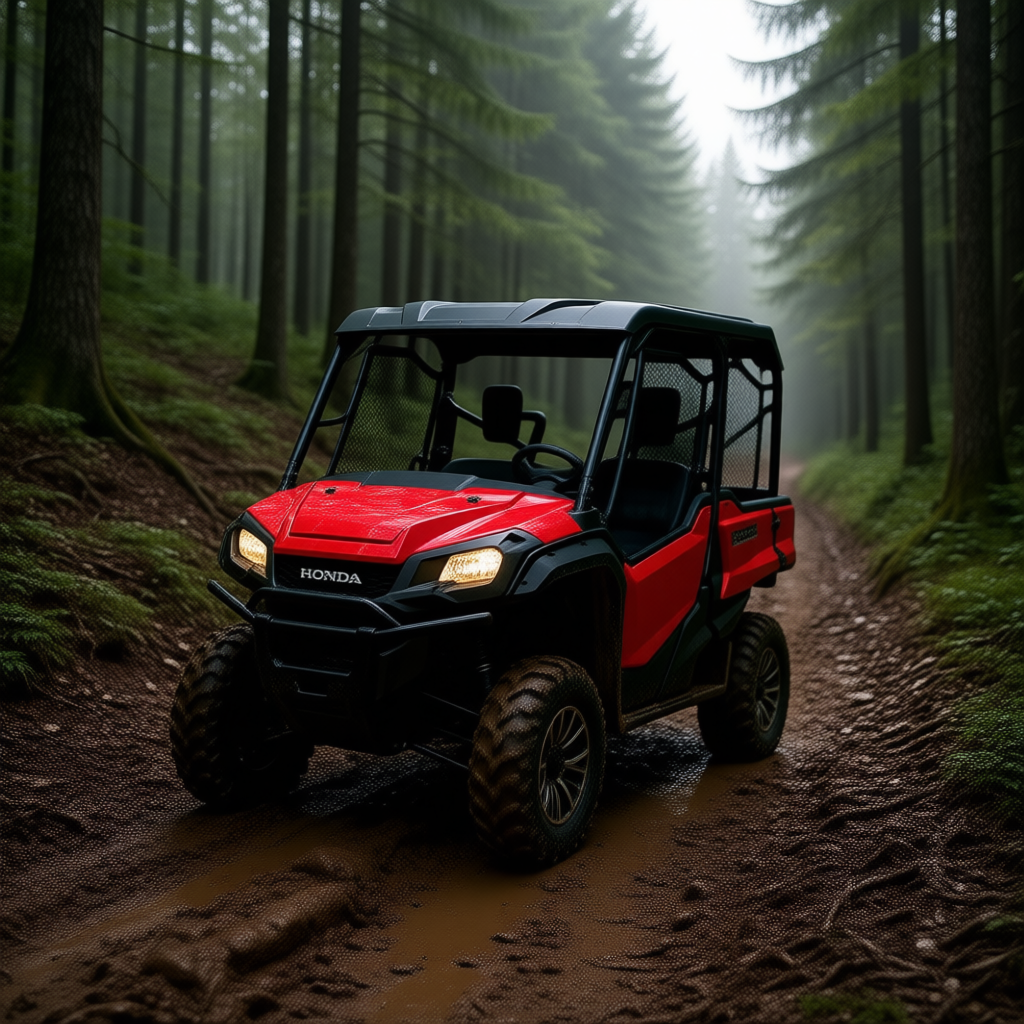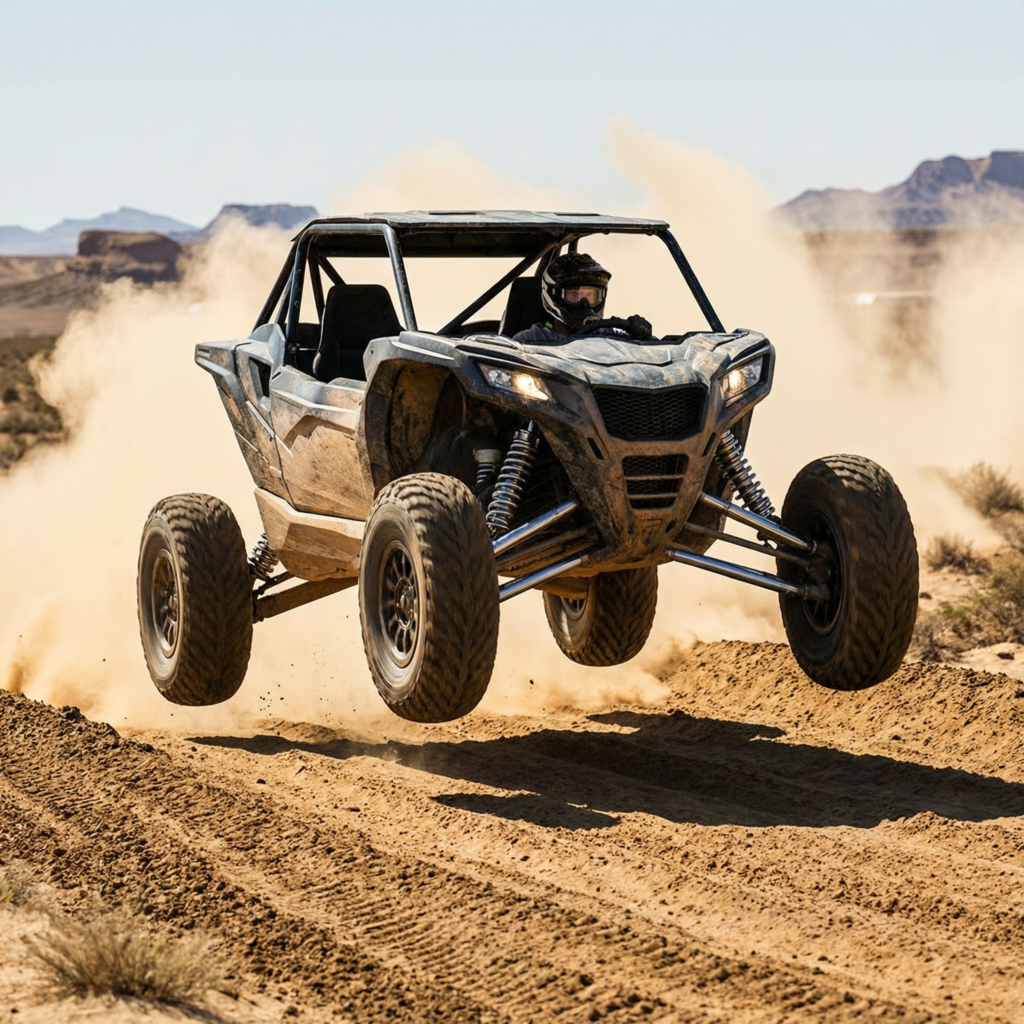


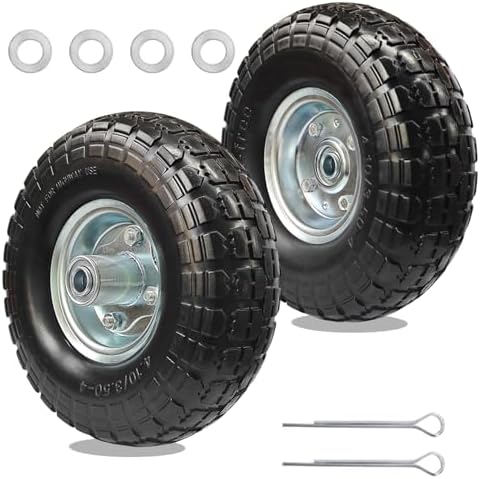




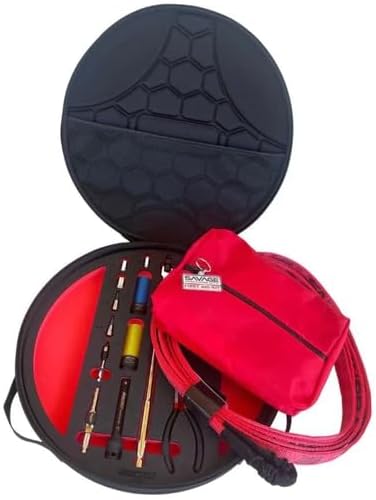
When it comes to best tires for honda side by side in muddy terrain, getting the right details matters. Before we drop the clutch and hit the singletrack, gear up with these top Amazon recommendations to maximize your build and earn some serious trail cred, featuring the ultimate UTV long travel suspension kits, reinforced heavy-duty axles, and rugged overlanding roof tents.
There is absolutely nothing quite like the visceral thrill of your tires leaving the ground on a massive, rutted-out whoop section. 🚙
But to keep your spine intact and your rig in one piece, you need to deeply understand the mechanical engineering behind your suspension setup.
Stock components will only get you so far when the trail turns into a jagged nightmare of roots, rocks, and deep ruts. 🌲
Let us break down the exact geometry that separates the casual trail cruisers from the true backcountry chargers.
The Science of Shock Absorption
Modern bypass shocks utilize internal floating pistons to separate the hydraulic fluid from the pressurized nitrogen gas, preventing cavitation under extreme trail loads. 💡
When you are crawling over a boulder field at two miles per hour, you need low-speed compression damping to keep the tires planted and finding traction.
Conversely, when you are pinning the throttle across a desert wash, high-speed compression damping prevents the suspension from bottoming out harshly. 🏜️
“A suspension setup is never truly finished, it is only refined by the dirt you drive on.”
Calculating Your Ideal Spring Rate
Finding the perfect spring rate requires knowing your exact vehicle weight, including all your camping gear, fuel, and aftermarket armor. 🏕️
Recent 2026 telemetry data from professional off-road teams shows that running a spring rate slightly softer than calculated actually improves rear-wheel traction by keeping the contact patch consistent over square-edge hits. 📊
You want your suspension to sag exactly twenty to thirty percent of its total travel when sitting static on level ground.
Check out our off-road collection Amazon products
| Terrain Type | Recommended Sag | Rebound Setting |
|---|---|---|
| Deep Mud | 25 Percent | Fast |
| Rock Crawling | 30 Percent | Slow |
| Desert Whoops | 20 Percent | Medium |
Do not forget to factor in the unsprung weight of your massive mud tires and heavy steel wheels when doing your math. 🛞
- Always measure your shock shaft diameter before ordering new internal pistons.
- Check your upper and lower A-arm bushings for any lateral play before tuning.
- Carry a shock pump and extra nitrogen cartridges on every multi-day camping trip.
Upgrading Your A-Arms and Tie Rods
When you install a lift kit or longer shocks, your factory control arms will severely limit your suspension articulation. 📌
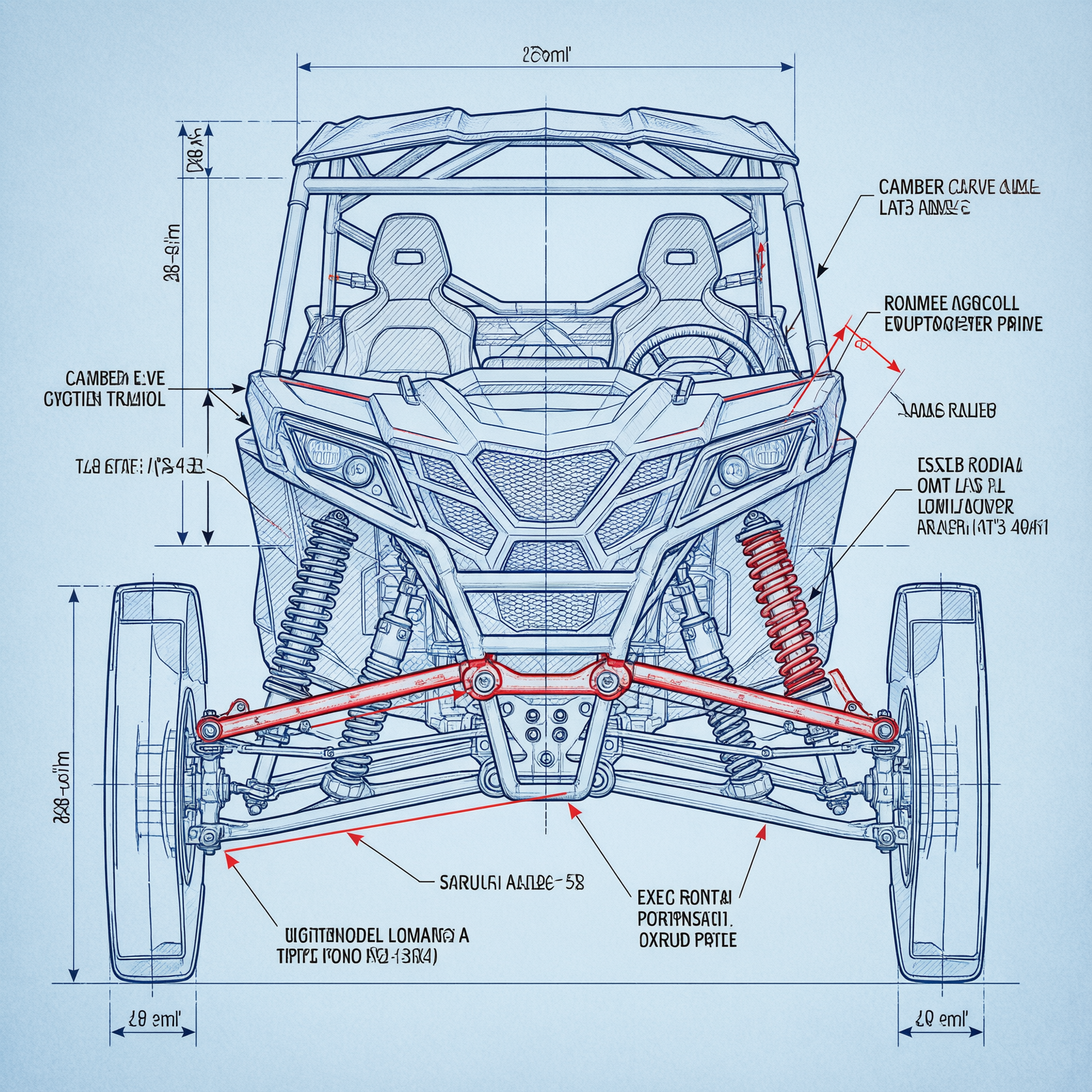
Upgrading to chromoly tubular A-arms not only increases ground clearance but also corrects the camber curve to keep the tire tread flat against the trail surface. 🌲
Stock tie rods are notorious for bending when you accidentally plant your front right tire into a hidden off-camber root.
Replacing them with one-inch solid steel or heavy-duty chromoly tie rods is an absolute non-negotiable for serious backcountry exploration. 🔧
For a deep dive into metallurgy and stress testing, the engineers at MotorTrend provide excellent breakdowns of aftermarket suspension materials.
You also need to consider the impact of increased scrub radius when widening your stance with portal gear lifts or wide A-arms.
A wider scrub radius dramatically increases steering effort and puts immense lateral stress on your wheel bearings, requiring frequent repacking and inspection. ⚠️
“Width gives you stability, but it demands respect from your steering components.”
Drivetrain Angles and CV Joint Life
Lifting your rig changes the operating angles of your CV axles, which can lead to premature failure if not addressed properly.
When the axle operates at an extreme angle, the internal bearings bind and generate excessive heat, cooking the grease and destroying the joint. 🔥
The technical wizards at Pirate4x4 have decades of archived forum data on calculating exact driveline angles for lifted rigs.
To mitigate this, many trail builders install axle drop brackets or portal gear reductions to keep the CV joints operating within a safe five to seven degree window.
Always use high-moly CV grease and ensure your boot clamps are crimped perfectly to keep trail debris out of the joint.
If you want to see real-world CV axle torture tests, check out the exhaustive reviews published by the team at UTV Driver.
Bump Stops and Sway Bar Dynamics
Let us talk about the unsung heroes of your suspension setup, which are the hydraulic bump stops. 💡
When your suspension compresses fully, the metal-on-metal impact can destroy your shock internals and crack your chassis mounts.
Hydraulic bump stops act as a secondary shock absorber, progressively slowing the suspension before it reaches its mechanical limit.
Installing properly sized hydraulic bump stops reduces bottom-out forces by up to forty percent, drastically extending the life of your primary shock shafts and rod ends. 🛡️
You must carefully measure your shock travel and bump stop placement to ensure they engage exactly an inch before full compression.
Another critical component to consider is your front sway bar and its disconnect mechanism. 📌
Check out our off-road collection Amazon products
A thick factory sway bar keeps your rig flat in the corners but severely limits axle articulation on uneven terrain.
By installing a quick-disconnect sway bar link, you can stiffen the chassis for high-speed fire roads and disconnect for maximum flex on the technical trails.
This simple modification completely transforms how your machine handles mixed-terrain camping routes and rocky obstacles. 🏕️
Maintenance and Tire Pressures
Maintaining your expensive suspension components is just as critical as the initial installation. 🔧
Shocks generate immense heat during aggressive trail riding, which breaks down the hydraulic fluid and degrades the internal seals.
You should plan to rebuild your shocks every fifty hours of hard riding or at least once a year, whichever comes first.
This involves replacing the piston bands, seal head seals, and rod wipers, as well as recharging the nitrogen pressure to factory specifications.
Ignoring this maintenance schedule will result in faded damping,
blown seals, and an incredibly harsh ride quality.
Your suspension tuning is completely useless if you are not managing your tire pressures correctly for the specific trail conditions. 🛞
Air down your tires to maximize the contact patch and
allow the carcass to absorb small trail chatter that the shocks cannot handle.
Running lower pressures also reduces the unsprung weight effect,
allowing your suspension to react faster to rapid square-edge bumps.
Invest in a high-quality onboard air compressor
so you can easily adjust your pressures on the fly as the terrain changes.
Proper alignment is the final puzzle piece after installing all these heavy-duty components.
The alignment specs and trail setup guides provided by Four Wheeler are essential reading for any DIY mechanic.
Take the time to measure your toe-in and camber on a flat surface before hitting the technical sections.
For advanced camber adjustment techniques,
the chassis experts at Dirt Rider share some brilliant fabrication tips.
When you are hauling a fully loaded cargo bed with a rooftop tent,
coolers, and recovery gear, your rear suspension takes a massive beating. 🏕️
Upgrading to a dual-rate rear spring setup allows the suspension to remain plush
when empty but stiffen up progressively as you load it down for the campsite.
This ensures your rig stays level and stable,
preventing your camping equipment from shifting and keeping your headlights aimed correctly at night.
Ultimately, building the perfect off-road rig is a labor of love that requires wrenching,
testing, and wrenching some more. ❤️
“The best suspension setup is the one that gives you the confidence to explore the unknown.”
Now grab your tools, fire up the welder,
and get your machine dialed in for the next epic camping adventure. 🌲
🔍 Explore More: See all Wild Testing guides for best tires for honda side by side in muddy terrain.
Check out our off-road collection Amazon products