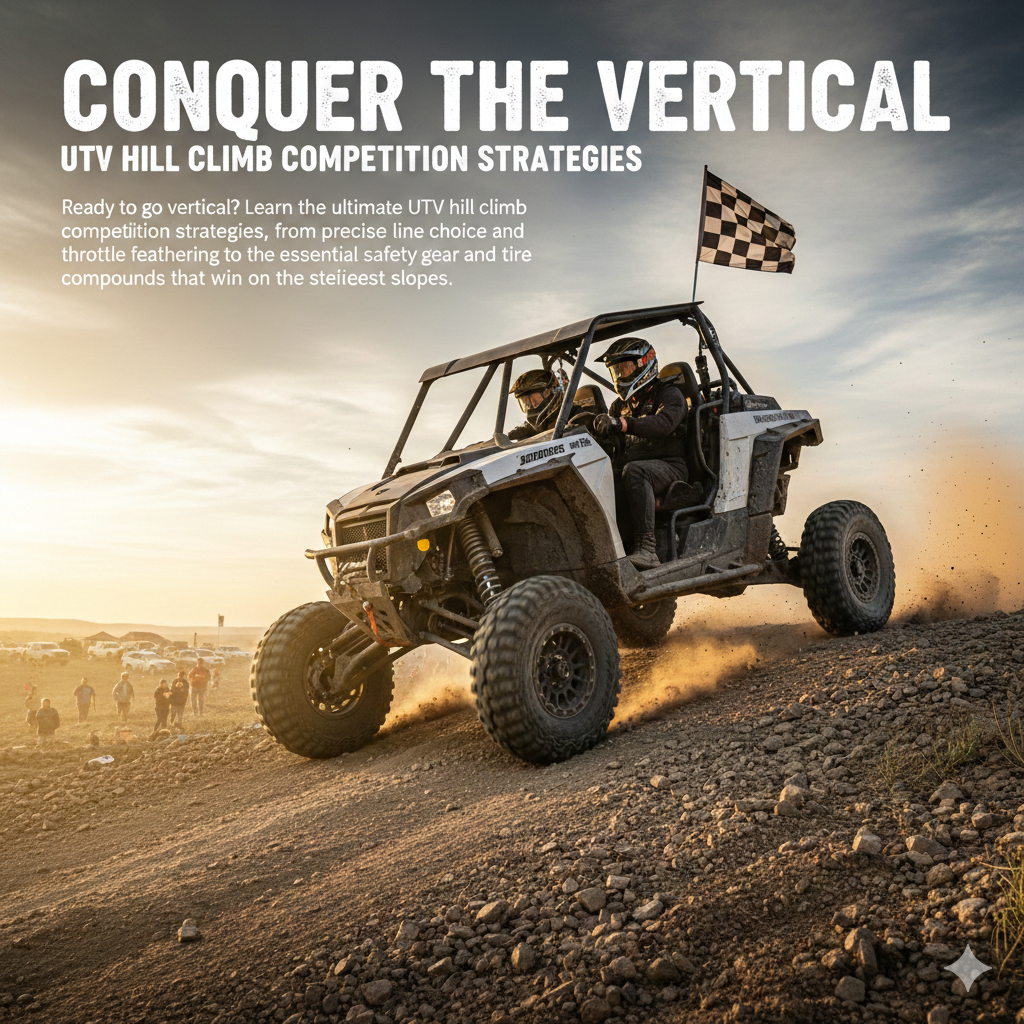

UTV hill climb competitions are arguably the most intense and visually spectacular events in off-road motorsports. It’s a pure test of machine capability, driver skill, and sheer nerve, all condensed into a few hundred feet of near-vertical ascent. Unlike desert racing or rock crawling, hill climbing is a sprint where a single mistake—a loss of momentum, a bad line choice, or a moment of hesitation—means a dramatic, often spectacular, failure.
To succeed in this arena, you need more than just a powerful engine; you need a precise, calculated strategy. UTV hill climb competition strategies focus on maximizing traction, maintaining momentum, and mitigating the extreme risks involved.
I’ve watched the best in the business attack these climbs, and the difference between a successful run and a roll-over often comes down to minute details. This guide will break down the critical strategies, modifications, and safety considerations you need to master to conquer the vertical and stand on the podium.
Phase 1: The Mental Game and Pre-Run Strategy
Hill climbing is as much a mental challenge as it is a physical one. The climb begins long before your tires touch the slope.
1. The Walk-Through: Line Choice is Everything
- Scouting the Course: Before your run, you must walk the hill. Identify the “line”—the path of least resistance that offers the best traction and the fewest obstacles.
- Identifying Key Features: Look for smooth patches, embedded rocks that can be used for traction, and any loose, dusty, or wet areas to avoid. Your line should be a continuous path that allows you to maintain momentum.
- The Exit Strategy: Always have a plan for what you will do if you lose momentum or traction. Knowing where you can safely stop, back down, or turn out is crucial for safety.
2. Weight Distribution and Body English
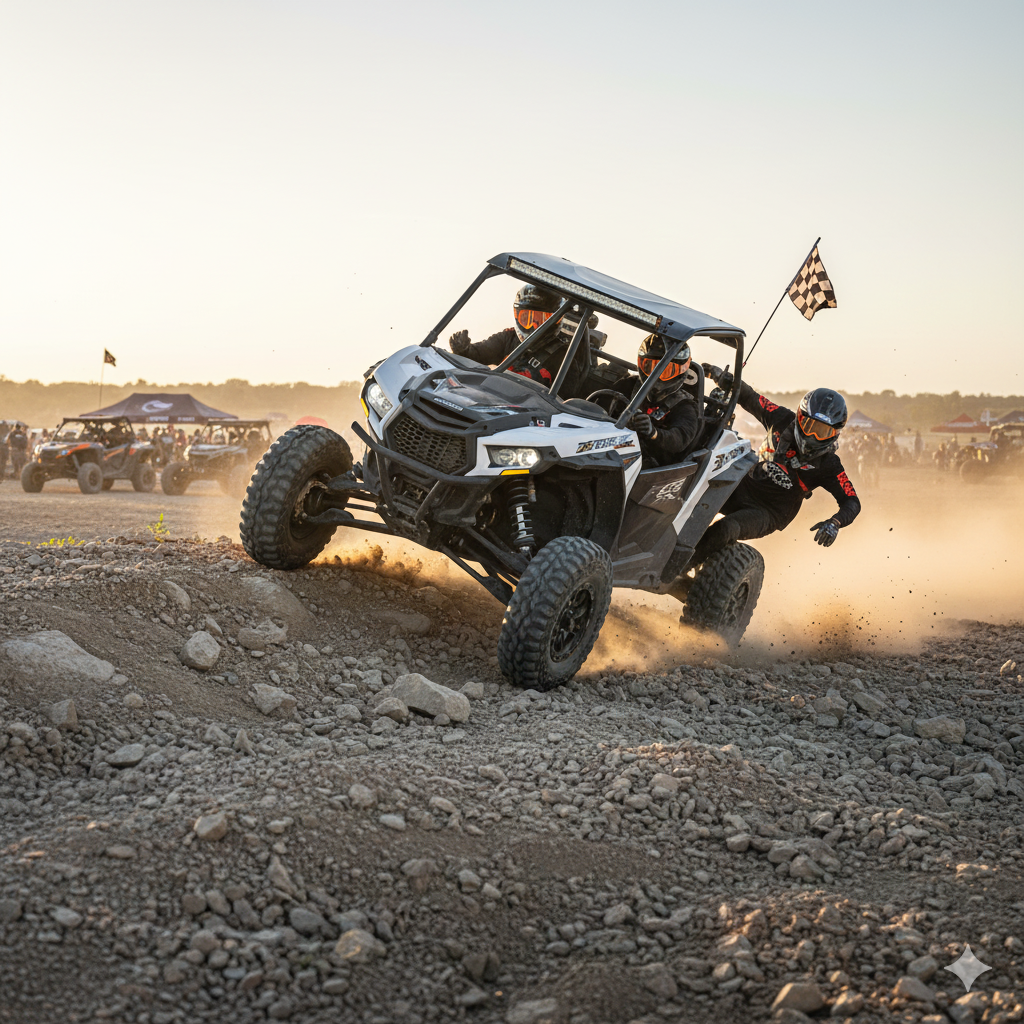
- Lean Forward and Uphill: The fundamental rule of hill climbing is to shift your body weight forward and uphill [1]. This helps to keep the front tires planted for steering and prevents the UTV from flipping backward as the center of gravity shifts.
- Driver and Passenger Synchronization: If you have a passenger, their role is to shift their weight in sync with the driver’s instructions to maximize traction and stability.
Phase 2: Throttle and Momentum Control
The throttle is your most important tool in a hill climb. It must be treated with respect and precision.
1. The Momentum Principle
- Controlled Speed at the Base: You need to hit the base of the hill with enough speed to carry you over the initial obstacles, but not so fast that you lose control.
- Feathering the Throttle: Once on the climb, the throttle must be feathered—applied and released in small, controlled increments—to maintain the perfect balance between speed and traction. Too much throttle causes wheel spin, which digs you in. Too little throttle causes a loss of momentum.
2. Avoiding Wheel Spin
- The Dig-In: Wheel spin is the enemy. When your tires spin, they displace the surface material, creating a hole that your UTV will sink into.
- The Back-Off: If you feel the tires starting to spin, immediately back off the throttle slightly to regain traction, then reapply power smoothly.
| Strategy Component | Goal | Competition Tip |
|---|---|---|
| Line Choice | Maximize traction and momentum. | Walk the course and identify the path of least resistance. |
| Throttle Control | Maintain the perfect balance between speed and grip. | Feather the throttle; avoid sudden, aggressive inputs. |
| Tire Selection | Optimize grip for the specific surface (rock, dirt, mud). | Use sticky compounds for rock and aggressive treads for loose dirt. |
| Safety | Mitigate the risk of roll-over and injury. | Always wear a helmet, harness, and ensure a certified roll cage. |
Phase 3: Equipment and Modification Advantages
While technique is paramount, the right equipment can provide a critical edge in a hill climb competition.
1. Tire Selection: The Contact Patch
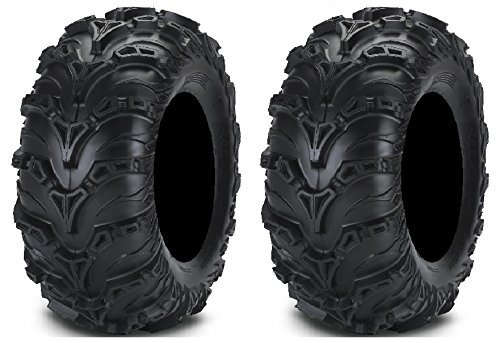
- Sticky Tires for Rock: For climbs dominated by rock, tires with a soft, “sticky” rubber compound and aggressive tread patterns are preferred. These tires conform to the rock surface, maximizing the contact patch and grip [4].
- Aggressive Treads for Loose Dirt: For loose dirt or shale climbs, a tire with deep, aggressive lugs is needed to dig into the surface and find traction.
2. Gearing and Drivetrain
- Low Range is Your Friend: Always use the low range (L) setting on your UTV. This provides maximum torque and better control over your speed.
- Lockers: Engaging your differential lockers (if equipped) ensures that power is sent equally to all wheels, which is vital when one tire loses traction.
[AFFILIATE LINK: Recommend a high-quality, competition-grade UTV tire known for excellent rock and dirt traction. Context: Tires are the single most important performance mod for hill climbing.]
Phase 4: Safety and Recovery—The Non-Negotiables
Hill climbing is inherently dangerous. Safety is not a strategy; it is a prerequisite.
1. Essential Safety Gear
- Roll Cage: A certified, competition-grade roll cage is mandatory. The stock cage is often insufficient for the forces involved in a serious roll-over.
- Harnesses: A five-point safety harness is essential to keep you securely in your seat during a climb or a potential roll.
- Helmet and Neck Restraint: A DOT or Snell-approved helmet and a neck restraint device (like a HANS device) are crucial for protecting your head and neck.
2. The Failed Climb Protocol
- Never Turn Sideways: If you lose momentum and cannot continue, never attempt to turn the UTV sideways on the hill. This is the fastest way to roll.
- Controlled Reverse: If you must stop, keep the wheels straight and slowly reverse down the hill. If you begin to slide, apply the brakes gently and maintain a straight line.
- The Spotter: A spotter at the base of the hill, in constant radio contact, is a vital safety measure to alert you to hazards or to signal when to stop.
Conclusion: The Thrill of the Summit
Mastering UTV hill climb competition strategies is a thrilling pursuit that demands respect for the terrain and your machine. It’s a sport where precision beats brute force, and preparation is the key to success. By focusing on your line choice, mastering the delicate dance of the throttle, and prioritizing safety above all else, you can conquer the vertical and experience the unmatched exhilaration of reaching the summit.
Respect the hill, and it will reward you with the view.
References
[1] Finntrail Blog – How To Hill Climb On Your UTV
[2] Side by Side Fury – UTV Uphill Riding Tips: Maintain Momentum And Confidence
[3] SuperATV Offroad Atlas – Want to Get into Hill Climbing? Here Are a Few Tips
[4] UTV Source – The Ultimate Guide to Rock Crawling Tires
[5] Tracker Off Road – 10 Safety Tips For ATV & UTV Operation