

When it comes to best coolant for utv overheating, getting the right details matters. The roar of your Honda Pioneer, the dust cloud behind you, the thrill of tackling challenging terrain – it’s an unmatched experience! 💨 But nothing brings that excitement to a grinding halt faster than an overheating engine.
For Honda Pioneer enthusiasts, understanding and preventing overheating isn’t just about avoiding a breakdown; it’s about safeguarding your investment and ensuring uninterrupted adventures. With hotter summers, more demanding trails, and the powerful capabilities of newer 2024-2026 UTV models, optimal cooling is more critical than ever. 💡
Understanding the Overheating Threat: Why Your UTV Runs Hot 🔥
Modern UTVs, including your Honda Pioneer, are engineered for performance, but this often means generating significant heat. High engine temperatures, sometimes reaching 220-230°F in demanding conditions, are a known concern in performance off-road vehicles.
Several factors contribute to UTV overheating:
- Clogged Radiators: Mud, dirt, grass, and other trail debris can quickly obstruct radiator fins, drastically reducing airflow and heat dissipation. This is especially common for Pioneer owners who love pushing the limits.
- Old or Low Coolant: Coolant isn’t just water; it contains vital anti-boil additives and corrosion inhibitors that degrade over time. Low or old coolant significantly impairs your system’s ability to transfer heat.
- Malfunctioning Cooling System Components: A faulty fan, thermostat, or water pump can disrupt coolant circulation and airflow, leading to rapid temperature spikes. Even an “air block” in the coolant line can cause unexpected overheating.
- Aggressive Riding & Heavy Loads: Continuous high RPMs, towing, or tackling steep inclines put immense strain on your engine, generating excess heat that the stock system might struggle to manage.
- Environmental Factors: Riding in extremely hot weather or at high altitudes naturally increases the engine’s thermal load.
The Heart of the Matter: Choosing the Best Coolant for UTV Overheating ❤️🩹
Your coolant is the lifeblood of your UTV’s cooling system. Choosing the right one is paramount for preventing overheating and ensuring engine longevity.
The general consensus among experts is to perform a mid-season coolant flush, replacing fluid every two years, or even yearly if you frequently ride slow, technical terrain.
Always refer to your Honda Pioneer owner’s manual for specific coolant recommendations to maintain warranty and optimal performance.
Key Insights on best coolant for utv overheating: Types of Coolants & Additives:
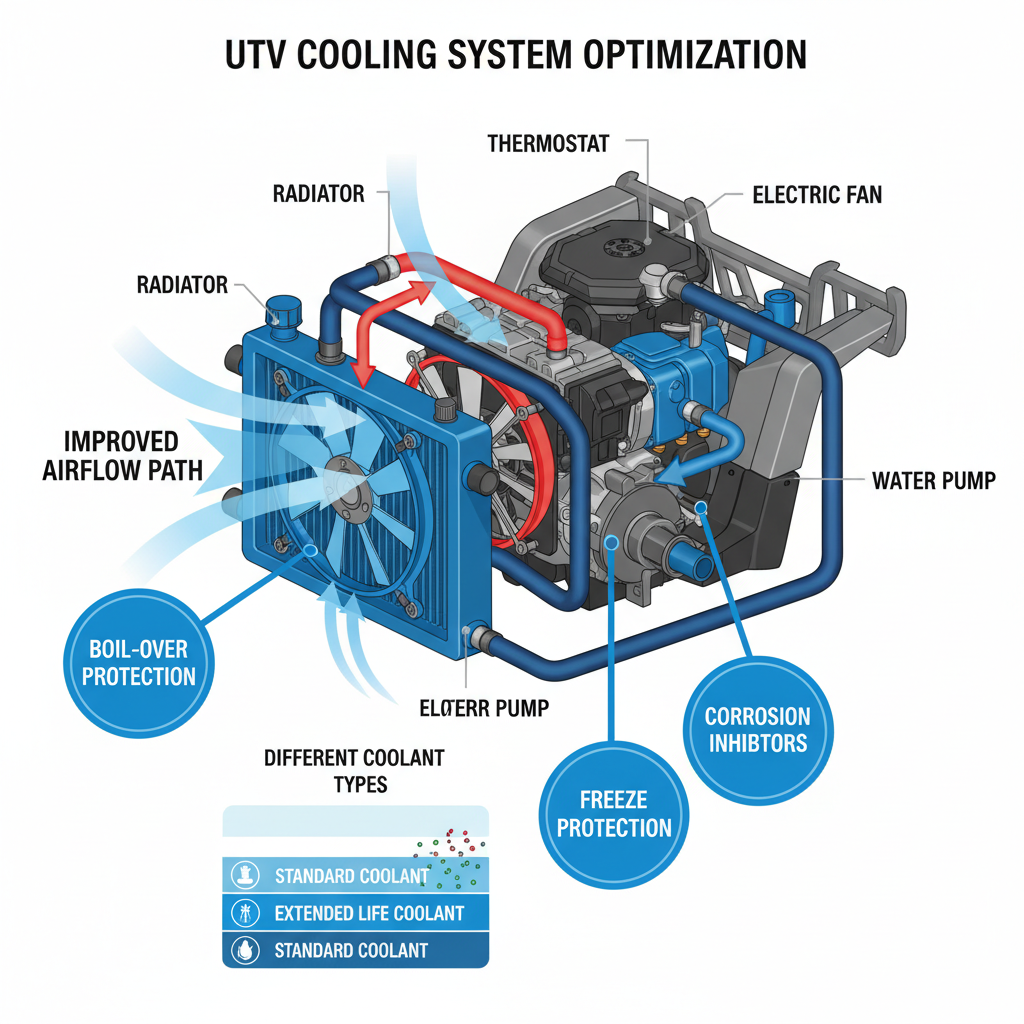
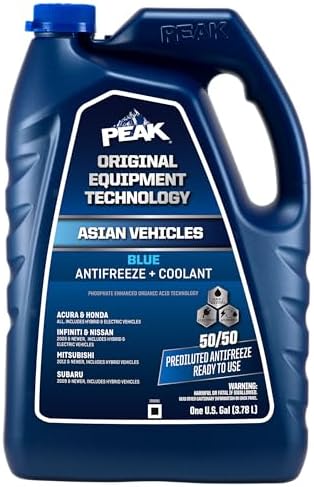
- Ethylene Glycol (EG) / Propylene Glycol (PG) Coolants: These are the most common types, typically mixed with distilled water (often 50/50, but sometimes 40/60 coolant-to-water ratio is considered for better cooling while retaining protective properties). They offer both freeze and boil-over protection.
- High-Performance Coolants (e.g., Engine Ice): Products like Engine Ice Hi-Performance SXS/ATV Coolant + Antifreeze are specifically formulated for high-output UTVs. They claim superior heat dispersion, maintaining optimal operating temperatures, and offering excellent corrosion protection. Engine Ice, for example, boasts boil-over protection up to 256°F and freeze protection down to -28°F.
- Water Wetter Additives: These additives, like Royal Purple’s Purple Ice or Lucas Oil’s Super Coolant, improve water’s heat transfer capabilities by reducing surface tension, allowing it to better contact engine metals. They can be mixed with water or a 50/50 coolant blend. Pure distilled water with a ‘water wetter’ can be highly effective at cooling but lacks the protective properties of full coolant, so a 40% coolant / 60% water mix might be a practical compromise.
- Waterless Coolants (e.g., Evans Coolant): These coolants have a higher boiling point than traditional water-based coolants and eliminate steam formation, which can be a significant cause of localized overheating. They are a one-time fill and designed to last the lifetime of the engine.
In 2026, advancements in coolant technology focus on longer-lasting formulas with enhanced heat transfer and corrosion resistance, reducing the frequency of flushes for many riders.
“The right coolant is more than just fluid; it’s an integral part of your UTV’s thermal defense system.”
Check out our off-road collection Amazon products
Proactive Measures to Keep Your Pioneer Running Cool ❄️
Beyond choosing the right coolant, a holistic approach to cooling system maintenance and upgrades is essential.
| Maintenance Task | Description & Impact | Frequency |
|---|---|---|
| Radiator Cleaning | Regularly clean mud, dirt, and debris from radiator fins using low-pressure air or a garden hose. This restores crucial airflow. | Before every ride, or after heavy mud/dust exposure. |
| Coolant Level & Quality Check | Ensure coolant is at the manufacturer-recommended level and visually inspect for discoloration or burnt smell. | Before every ride. Flush every 1-2 years. |
| Radiator Cap Inspection | A properly functioning radiator cap maintains system pressure, raising the boiling point of the coolant. Consider upgrading to a higher-pressure cap (e.g., 1.6-bar) for increased boiling threshold. | Annually, or if overheating persists. |
| Fan Operation Check | Ensure your cooling fan kicks in when the engine reaches operating temperature. Stock fans may engage around 200°F; upgrades can activate them earlier. | Before every ride. |
| Hose & Clamp Inspection | Check all coolant hoses for cracks, leaks, or swelling, and ensure clamps are secure. | Periodically, especially after rough rides. |
Performance Upgrades for Ultimate Cooling:
- Radiator Relocation Kits: Moving the radiator to a higher, less obstructed position on your UTV minimizes debris accumulation and allows for better airflow, a popular solution for Honda Pioneer and Talon owners.
- High-CFM Fan Upgrades & ECU Reflashes: Replacing your stock fan with a high-CFM (Cubic Feet per Minute) unit can move 30-40% more air. An ECU reflash can also be programmed to trigger your fan at a lower temperature, such as 185°F, instead of the standard 200°F or higher.
- Aluminum Triple-Pass Radiators & Silicone Coolant Lines: For extreme conditions or heavily modified UTVs, an aluminum triple-pass radiator offers significantly improved heat exchange. Silicone coolant lines are more durable and can withstand higher temperatures and pressures than standard rubber hoses.
- Auxiliary Oil Coolers: Particularly for turbocharged UTV models, an auxiliary oil cooler can help manage overall engine temperatures by cooling the engine oil directly.
Honda Pioneer 1000 owners, in particular, have reported overheating as a “hot topic,” sometimes even with fan issues or blocked radiator passages.
Recognizing and Responding to Overheating Symptoms 🚨
Being aware of the signs of overheating can prevent minor issues from becoming catastrophic engine damage.
- Temperature Gauge Spiking: This is your primary indicator. If the needle climbs into the red zone, or if you notice the temperature bars rising on your digital display, it’s time to act.
- Warning Lights: A “check engine” light or specific temperature warning light on your dash is a clear signal to pull over immediately.
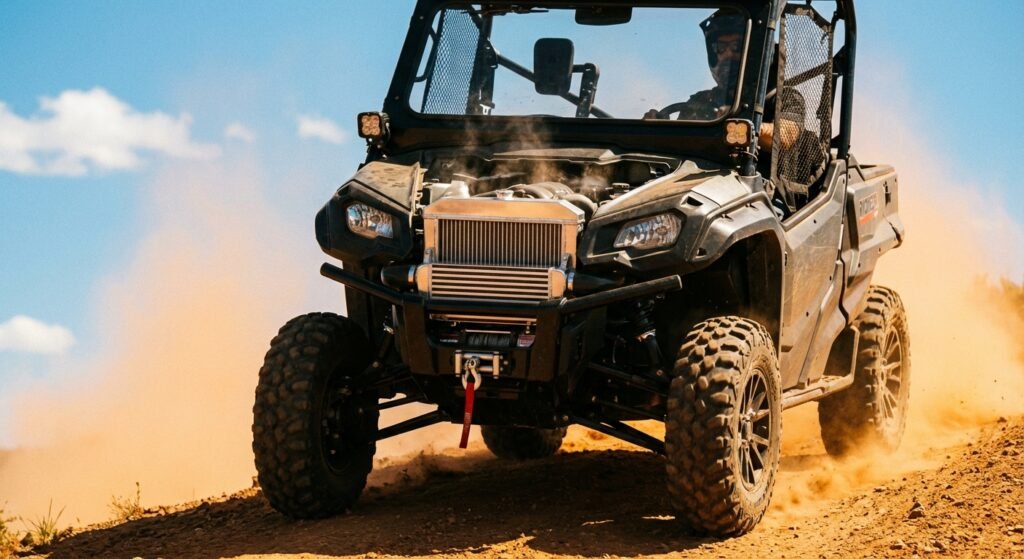
- Steam or Smoke: Visible steam or smoke emanating from the engine bay is a critical sign of severe overheating.
- Unusual Smells: A sweet, syrupy smell indicates burning coolant, while a burnt oil smell points to other engine issues exacerbated by heat.
- Loud Ticking or Knocking Noises: These can indicate engine components under extreme thermal stress.
- Loss of Power: The engine’s computer may reduce power to prevent damage when it detects overheating.
If your Honda Pioneer shows signs of overheating, pull over safely, turn off the engine, and allow it to cool down completely before inspecting. 🛑 Never open the radiator cap on a hot engine!
https://www.youtube.com/watch?v=Vl03c1P5SIA
“Preventative maintenance is your best friend against the trail’s relentless heat.”
Regularly inspecting your cooling system can save you from costly repairs and ruined adventures, ensuring your Honda Pioneer performs reliably for years to come.
The Future of UTV Cooling: What’s New for 2026 and Beyond? 🚀
The powersports industry is continually innovating to tackle the challenge of UTV overheating. For 2026, we’re seeing a stronger emphasis on integrated cooling solutions and advanced materials.
- Smarter ECU Management: Expect more sophisticated engine control units that can predict and mitigate overheating by adjusting engine parameters and fan activation points more dynamically.
- Enhanced Radiator Designs: Lighter, more efficient aluminum radiators with advanced fin designs are becoming standard, offering better heat dissipation in smaller footprints.
- Hybrid Coolant Formulations: Manufacturers are developing coolants that offer even greater heat transfer, boil-over protection, and extended service intervals, often with improved environmental profiles.
- Thermo-Resistant Materials: New composites and alloys are being used in engine and cooling system components to better withstand extreme temperatures and reduce heat soak.
Early 2025-2026 models of performance vehicles are still running hot, highlighting the ongoing need for robust cooling solutions and owner vigilance.
https://www.youtube.com/watch?v=Fj-y836vF0s
Check out our off-road collection Amazon products
By staying informed and proactive, you can ensure your Honda Pioneer is always ready for the next adventure, no matter how tough the conditions.
Final Thoughts: Stay Cool, Ride Harder! 😎
For every Honda Pioneer enthusiast, preventing overheating is a top priority. It boils down to a combination of informed coolant choices, diligent maintenance, and strategic upgrades.
From the precise engineering of your chosen coolant to the physical integrity of your radiator, every detail contributes to a perfectly running machine. 🛠️
Keep your radiator clean, monitor your coolant, and consider upgrading your cooling system components. With these practices, your Honda Pioneer will continue to deliver unparalleled performance and reliability on every trail, allowing you to focus on the thrill of the ride. Happy trails!
For more detailed information on Honda UTV maintenance and parts, visit Honda Powersports Official Site.
Explore high-performance coolants and additives at Engine Ice.
Learn more about waterless coolants from Evans Coolant.
Find cooling system upgrades and parts at Mishimoto Powersports.
Discover cooling system additives and flushes at Royal Purple.
🔍 Explore More: See all Wild Testing guides for best coolant for utv overheating.
Check out our off-road collection Amazon products