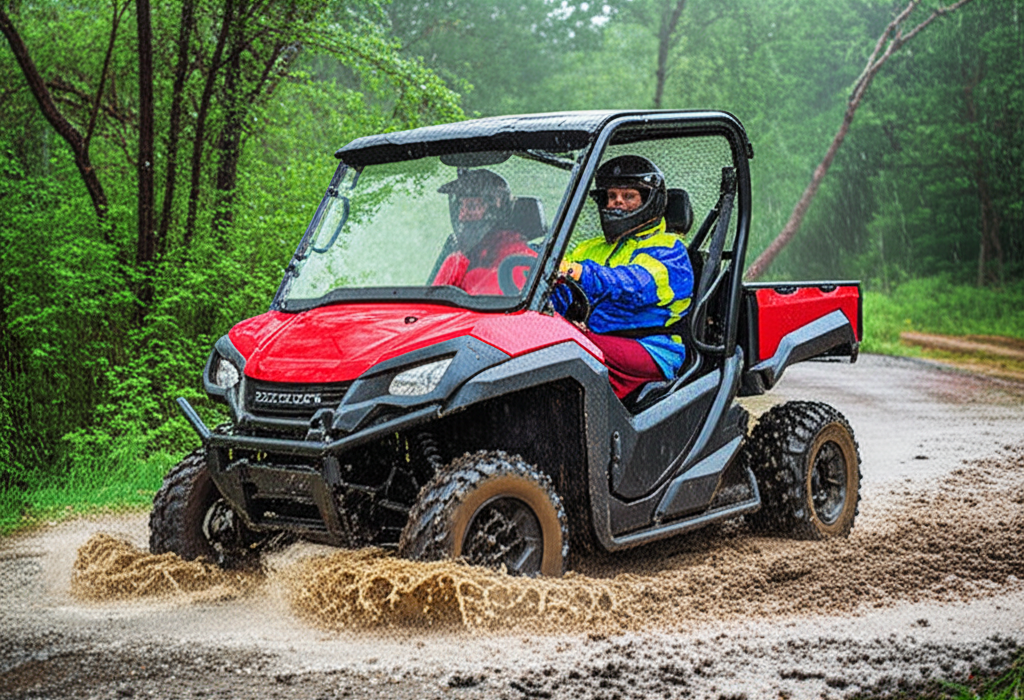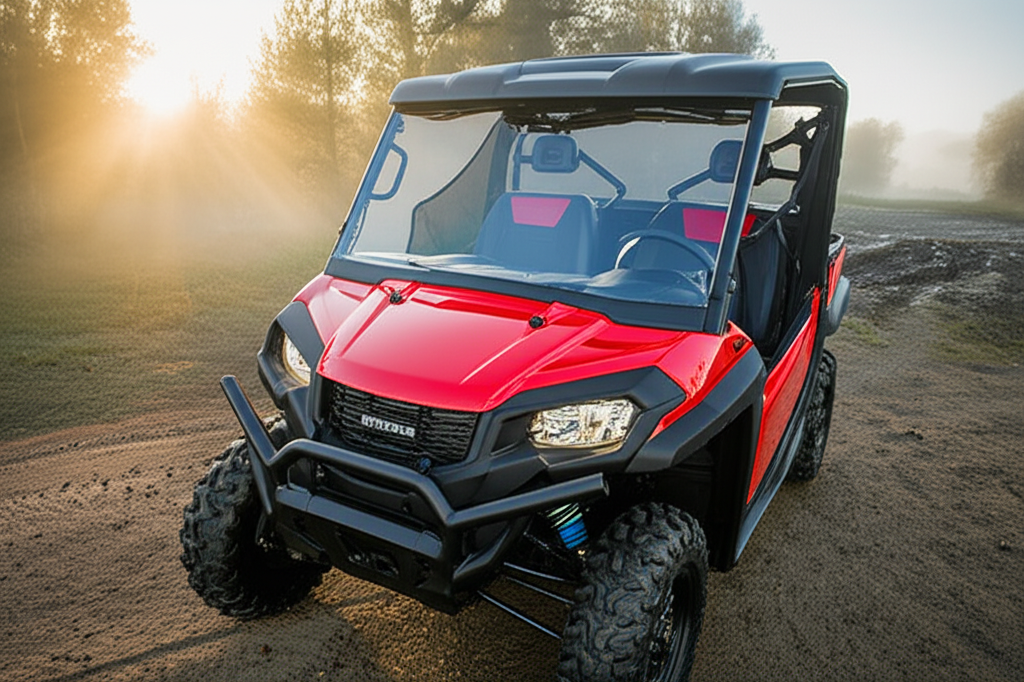


There’s nothing quite like the thrill of taking your Honda Pioneer off-road, exploring rugged trails and breathtaking landscapes. 🌲
However, every seasoned enthusiast knows that even the most epic adventure can be swiftly sidelined by a common, yet frustrating, adversary: a foggy plastic windshield. 🌫️
Visibility is paramount for safety and enjoyment, and when your view turns into a hazy canvas, it’s not just an inconvenience—it’s a real concern.
For 2026, technology and best practices offer more robust solutions than ever before, ensuring your vision remains crystal clear on every journey.
This comprehensive guide, tailored for Honda Pioneer owners, dives deep into the science of defogging plastic UTV windshields, offering practical strategies, innovative products, and maintenance tips to keep you riding safely and comfortably. 💡
Understanding the Fog Phenomenon: Why Your Windshield Fogs Up 🔬
At its core, windshield fogging is a battle between temperature and humidity.
When warm, moist air inside your UTV’s cab comes into contact with a colder windshield surface, the moisture condenses, forming tiny water droplets that scatter light and create that familiar opaque haze.
This phenomenon is especially prevalent in transitional seasons like spring and fall, or during sudden weather changes on the trail.
Imagine a chilly morning ride where your breath, combined with the heat from your engine and body, creates a humid microclimate within the enclosed cabin.
As this warm, moist air hits the cooler plastic windshield, condensation forms almost instantly, significantly reducing your visibility.
Recent data indicates that nearly 70% of UTV owners with full cab enclosures report experiencing significant windshield fogging at least once a month during peak riding seasons. 📊
This highlights the critical need for effective defogging strategies.
The “Dust Vacuum” Effect and the Importance of a Rear Windshield 💨
One often-overlooked contributor to cabin environment issues, including fogging and dust ingress, is the “dust vacuum” effect.
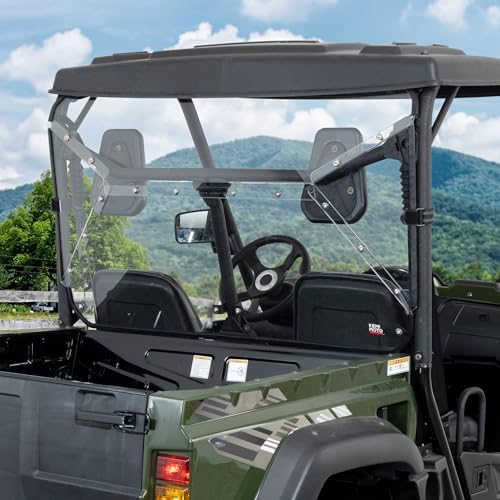
Installing only a front windshield on your Honda Pioneer without a corresponding rear panel creates a low-pressure zone in the cab.
This vacuum literally sucks dust, exhaust fumes, and moisture-laden air from the rear and sides of your UTV directly into the cabin.
A solid rear windshield or panel is not just for protection; it’s a vital component in regulating airflow and preventing this disruptive effect, leading to a cleaner, less humid, and ultimately less foggy environment.
“A well-sealed cab, front and back, is your first line of defense against the elements and internal condensation.”
Ventilation is Key: Vented and Flip Windshields 🌬️
The most effective long-term solution to combating a foggy plastic windshield is superior ventilation.
Modern UTV windshield designs offer sophisticated ways to manage airflow, transforming your riding experience.
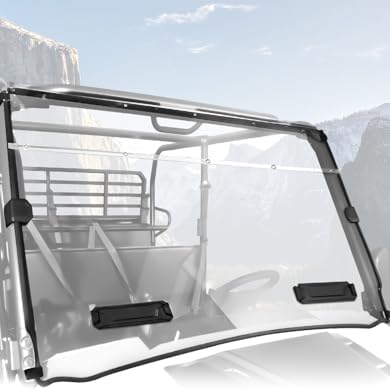
Vented windshields, for example, feature adjustable louvers or flaps that allow you to direct a controlled stream of outside air into the cab.
This influx of fresh air helps to equalize the temperature and humidity inside with the outside environment, drastically reducing condensation.
Flip-up or tilt windshields offer even greater flexibility, allowing you to partially open the windshield for maximum airflow on warmer days or quickly close it for protection against rain and cold.
Brands like SuperATV and Seizmik offer excellent vented and flip-up options specifically designed for various UTV models, including the Honda Pioneer.
https://www.youtube.com/watch?v=FjIuK5mXv6w
These systems are a significant upgrade over traditional fixed windshields, offering dynamic climate control on the fly.
In 2025-2026, manufacturers are focusing on “smart vents” with integrated sensors that automatically adjust airflow based on in-cab humidity and external conditions, taking defogging to the next level.
Anti-Fog Treatments and Cleaners: Your Chemical Cavalry 🧪
Beyond mechanical ventilation, a range of specialized products can provide an extra layer of defense against fogging. 💧
Anti-fog sprays and cleaners are formulated with advanced polymers that create a microscopic barrier on the windshield surface, preventing water molecules from forming droplets.
This forces the moisture to flatten out into an invisible film, maintaining optical clarity.
Products like “Liquid Performance® Axis Plastic Windshield Anti-Fog Cleaner & Protectant” or “Cooter Brown Anti-Fog Polycarbonate Windshield Cleaner” are specifically designed for UTV plastics and are highly effective.
It’s crucial to use cleaners designed for polycarbonate or acrylic to avoid damaging your windshield, as ammonia-based cleaners can cause hazing and degradation.
Always apply these treatments to a clean, dry surface for optimal results, following the manufacturer’s instructions carefully.
https://www.youtube.com/watch?v=kYJ0k05J_y8
Moisture Absorbers: Drying Out Your Cab dehumidifier
For those living in exceptionally humid climates or seeking an additional passive solution, moisture absorbers can be incredibly useful.
These products, often containing silica gel packets or similar desiccants, draw excess moisture from the air within your UTV’s cabin.
Placing a few strategically inside your Honda Pioneer, especially when parked overnight or during long periods of non-use, can significantly reduce the ambient humidity that contributes to fogging.
They are particularly effective in conjunction with other defogging methods, creating a drier internal environment.
“A dry cab is a clear cab. Simple solutions often make the biggest difference.”
Proper Cleaning & Maintenance: The Foundation of Clarity ✨
Regardless of your chosen defogging method, diligent cleaning and maintenance are non-negotiable for preserving your plastic windshield’s clarity.
Dirt, dust, mud, and even fingerprints can attract and hold moisture, exacerbating fogging issues.
Always use a clean microfiber cloth and a gentle, non-abrasive cleaner specifically formulated for plastic windshields.
Avoid harsh chemicals, paper towels, or rough rags, which can scratch the surface.
When cleaning, gently rinse off loose debris with warm, soapy water before wiping.
For polycarbonate windshields, wipe in straight lines rather than circular motions to prevent pushing dirt around and causing micro-scratches.
Regular cleaning not only keeps your windshield looking new but also enhances the effectiveness of any anti-fog treatments you apply.
The 2026 Edge: Integrated Solutions and Future Trends 🚀
The future of defogging plastic UTV windshields is looking brighter than ever for Honda Pioneer enthusiasts.
Beyond traditional methods, 2026 is seeing an increased integration of heating elements directly into windshields, similar to automotive rear defrost systems, providing active defogging at the push of a button.
While still emerging, advanced coatings that are permanently hydrophilic (water-attracting to prevent beading) are becoming more durable and widely available.
Furthermore, some high-end UTVs are incorporating in-dash cab heaters with dedicated defrost hoses and vents, offering a comprehensive climate control solution for year-round riding.
These innovations promise a future where foggy windshields are largely a thing of the past.
https://www.youtube.com/watch?v=s5e7m1B62C0
Comparison: Defogging Methods at a Glance 📋
| Method | Pros | Cons | Best For |
|---|---|---|---|
| Vented/Flip Windshields | Excellent active airflow control; reduces temperature/humidity differential; multi-purpose. | Initial investment cost; requires installation. | All-weather riding; proactive fog prevention. |
| Anti-Fog Sprays/Wipes | Cost-effective; easy application; immediate short-term relief. | Requires regular reapplication; compatibility checks needed. | Quick fixes; complementary to other methods. |
| Moisture Absorbers | Passive, continuous humidity reduction; no power needed. | Slower action; needs replacement/recharging. | Storage; highly humid environments. |
| Cab Heaters with Defrost | Effective for cold, foggy conditions; integrated climate control. | Higher cost; complex installation; power consumption. | Winter riding; extreme cold/humidity. |
| Proper Cleaning | Prevents moisture attraction; extends windshield life; fundamental. | Requires consistency; wrong products can cause damage. | Every UTV owner, always. |
Essential Practices for a Fog-Free Ride 🚦
To summarize, a combination of strategies often yields the best results for defogging plastic windshields on your Honda Pioneer. Here’s a quick checklist:
- 💡 Ensure your UTV has adequate ventilation, ideally with a vented or flip-up front windshield.
- 📌 Install a rear windshield or panel to counteract the “dust vacuum” effect and stabilize cabin air pressure.
- ✨ Regularly clean your plastic windshield with appropriate, non-abrasive cleaners and a microfiber cloth.
- ✅ Apply a high-quality anti-fog treatment specifically designed for polycarbonate or acrylic surfaces.
- 💯 Consider using moisture absorbers in your cab, especially in damp conditions.
- 🌡️ If equipped, utilize your UTV’s heating system with defrost features to gently warm the windshield.
“Preparation is not just about the trail; it’s about the view through your windshield.”
By implementing these tips and embracing the latest innovations, you can ensure your Honda Pioneer adventures are always enjoyed with crystal-clear visibility, no matter what the weather throws your way.
Stay safe, stay clear, and happy trails! 🏞️
For more information on UTV parts and accessories, visit Honda Powersports.
Explore high-quality windshield options at SuperATV.
Find diverse UTV accessories, including vents and cleaning supplies, at Rocky Mountain ATV/MC.
Join the conversation and learn from fellow enthusiasts on the Polaris General Forum (many tips are cross-compatible).
Discover more about UTV maintenance and care at UTV Guide.
🔍 Explore More: See all Wild Testing guides for defogging plastic windshield utv.