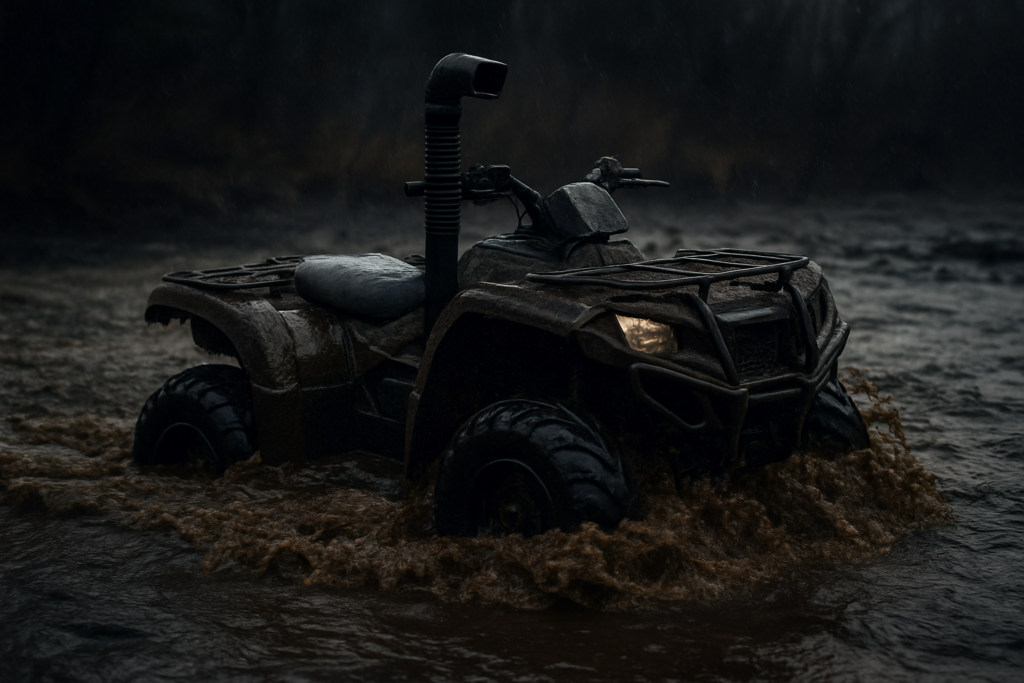


For the dedicated mud enthusiast, the thrill of conquering a deep water crossing or a bottomless mud hole is unmatched. However, this aggressive style of riding poses a severe threat to your ATV’s most vital components. The **ATV deep-mud snorkel kit upgrade** is the essential modification that raises the machine’s breathing and venting points above the water line, transforming a standard ATV into a true submersible mud machine. 🌊
A proper snorkel kit is far more than just a pipe sticking out of the plastics; it is a comprehensive system designed to protect the engine, the Continuously Variable Transmission (CVT), and the entire drivetrain. This guide will break down the three critical components of a deep-mud snorkel upgrade and emphasize the non-negotiable step of proper sealing. 🛠️
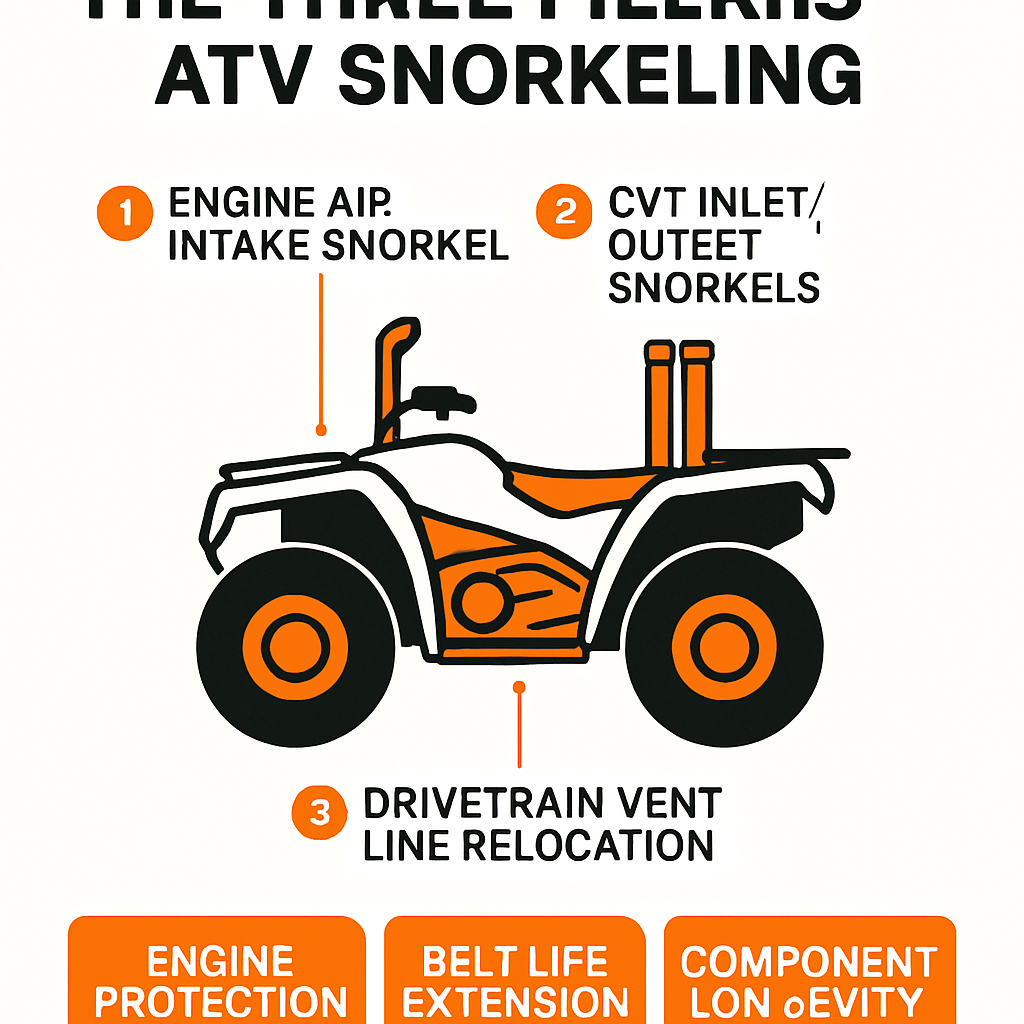
Pillar 1: Engine Air Intake Protection
The engine air intake is the most critical component to protect. Ingesting even a small amount of water can lead to catastrophic engine failure, commonly known as “hydro-locking.” ⚠️
Raising the Engine’s Lungs
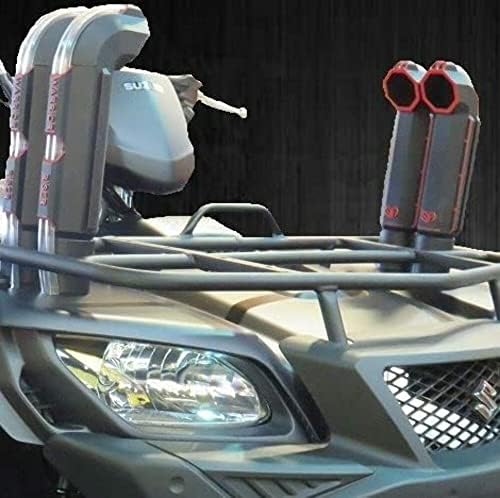
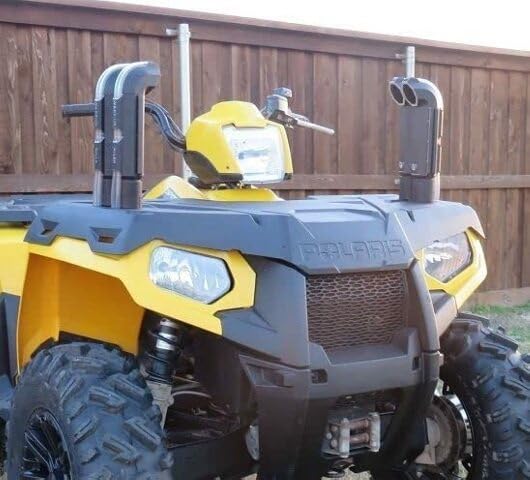
The snorkel system relocates the air intake opening from its low, factory position (often under the seat or in the fender well) to a much higher point, typically near the handlebars or on the front rack. ⬆️
- Cold Air Intake: While the primary goal is water protection, the higher intake can also draw in cooler, denser air, which can slightly improve engine performance. 🌬️
- Air Box Sealing: The connection point between the snorkel tube and the factory air box must be completely sealed. This is often achieved using silicone sealant, rubber gaskets, or specialized closed-cell sponge gaskets provided in high-quality kits. Tips for Installing a Snorkel Kit on Your ATV stress that proper sealing is the difference between a successful ride and a ruined engine. 💧
Pillar 2: CVT Inlet and Outlet Snorkeling
For ATVs equipped with a CVT (most automatic models), the belt drive system requires its own air supply for cooling and a vent to expel hot air. Water entering the CVT housing is a common cause of belt slippage and failure. 💔
The Dual Snorkel Necessity
A complete deep-mud snorkel kit must address both the CVT inlet and the CVT outlet. 🤝
- CVT Inlet: This draws in cool air to keep the belt and clutches from overheating. If submerged, the inlet will suck in water, causing the belt to slip and potentially destroying the clutches. 🧊
- CVT Outlet/Exhaust: This expels hot air and water vapor. If the outlet is submerged, water can be forced into the housing, especially when the belt box cools down and creates a vacuum. Do I need to snorkle my CVT exhaust? Forums overwhelmingly recommend snorkeling both to ensure a completely dry belt housing. 💨
Pillar 3: Drivetrain Vent Line Relocation
The ATV’s drivetrain components—the front and rear differentials, transmission, and sometimes the fuel tank—have vent lines that allow for pressure equalization as temperatures and fluid levels change. 🌡️
Protecting the Fluids
If these vent lines are submerged, cold water can be sucked into the hot components, contaminating the oil and leading to rapid component wear. 🛢️
A proper snorkel upgrade includes a **vent line relocation kit** that extends these small hoses to the same high point as the air and CVT snorkels. ATV Snorkel Kits from leading manufacturers always include this crucial step, often using a manifold to consolidate the lines for a clean installation. 🧹

The Non-Negotiable: Sealing and Maintenance
The effectiveness of an **ATV deep-mud snorkel kit upgrade** hinges entirely on the quality of the installation and the sealing. A single leak can defeat the entire purpose. 🛑
Sealing Best Practices
- Silicone Sealant: Use high-quality, marine-grade silicone sealant on all connections, especially where the snorkel tubes pass through the plastic bodywork and connect to the air box. 🧴
- Marine Grease: Apply marine grease to the CVT housing seal to create an extra barrier against water intrusion. 🧈
- Hose Clamps: Ensure all hose clamps are tight and secure, particularly on the flexible joints. UTV Snorkel Installation For Water And Mud Crossings emphasizes that a methodical, step-by-step approach is vital. 🪜
Post-Ride Inspection
After every deep water or mud ride, always check your air box for any signs of moisture. A damp air filter is a clear warning sign that your seal has failed and requires immediate attention. 🧐
Snorkel Kit Component Summary
The investment in a snorkel kit is an investment in the longevity and capability of your ATV. It allows you to push the limits of your machine without risking thousands of dollars in engine or drivetrain damage. 💰
| Component | Function | Risk of Failure (Unsnorkeled) |
|---|---|---|
| Engine Air Intake | Supplies air for combustion. | Hydro-locking, catastrophic engine failure. |
| CVT Inlet/Outlet | Cools belt and clutches. | Belt slippage, clutch damage, belt failure. |
| Drivetrain Vent Lines | Equalizes pressure in differentials/transmission. | Water contamination of gear oil, component corrosion. |
By addressing all three pillars of the snorkel system, you ensure that your ATV is truly ready for the deep mud. Ride deep, ride safe. 🛡️
References and Further Reading
For those who wish to delve deeper into the technical aspects of snorkel kit installation and design, the following resources are highly recommended. 📚
- Let Your Engine Breathe with an ATV/UTV Snorkel Kit – SuperATV Off-Road Atlas.
- ATV Snorkel Kits – High Lifter.
- How to Choose the Right Snorkel Kit for Your Honda ATV – Vessel Powersports.
- Radiator Relocation and Snorkel Kit Combos – Wild Boar ATV Parts.
- How Do ATV Snorkels Work? – ATV.com.
Happy riding! 🥳