




When it comes to superatv 3 in 1 flip vented polycarbonate windshield, getting the right details matters.
- Recommended Products:
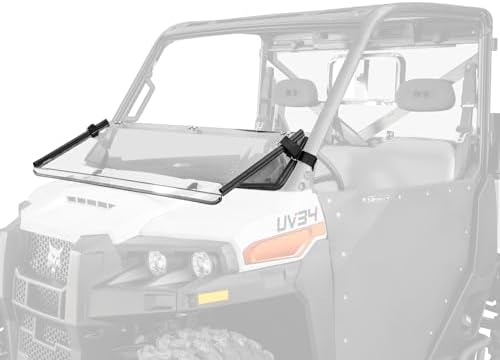
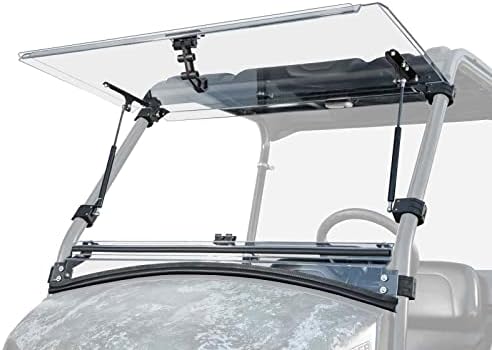
- SuperATV 3-in-1 Flip Vented Polycarbonate Windshield (Part #SA-HONDA-PIONEER-VENTED)
- Precision T30 Torx Driver & 10mm Socket Kit
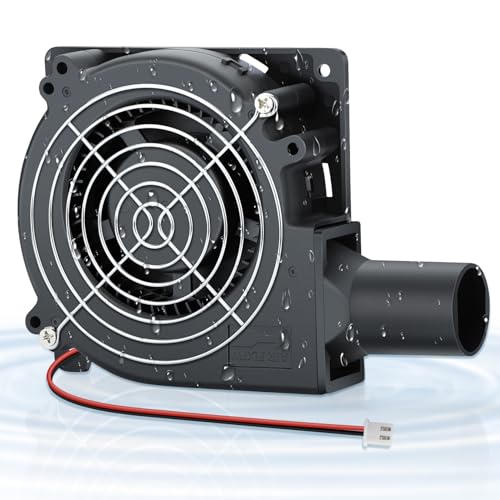
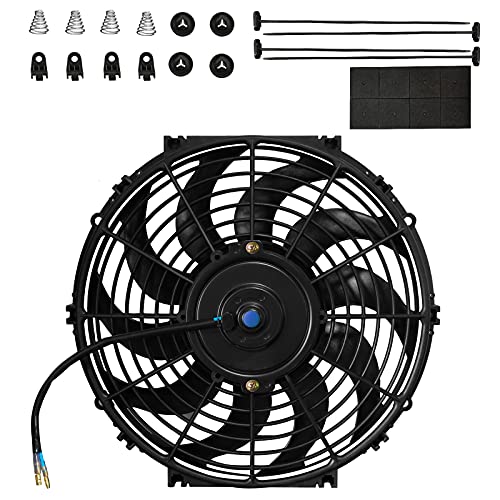
- 12V Auxiliary Cabin Fan Kit (15A Max Draw)
The Technical Reality: Why Solid Windshields Fail on Honda Pioneer Architectures
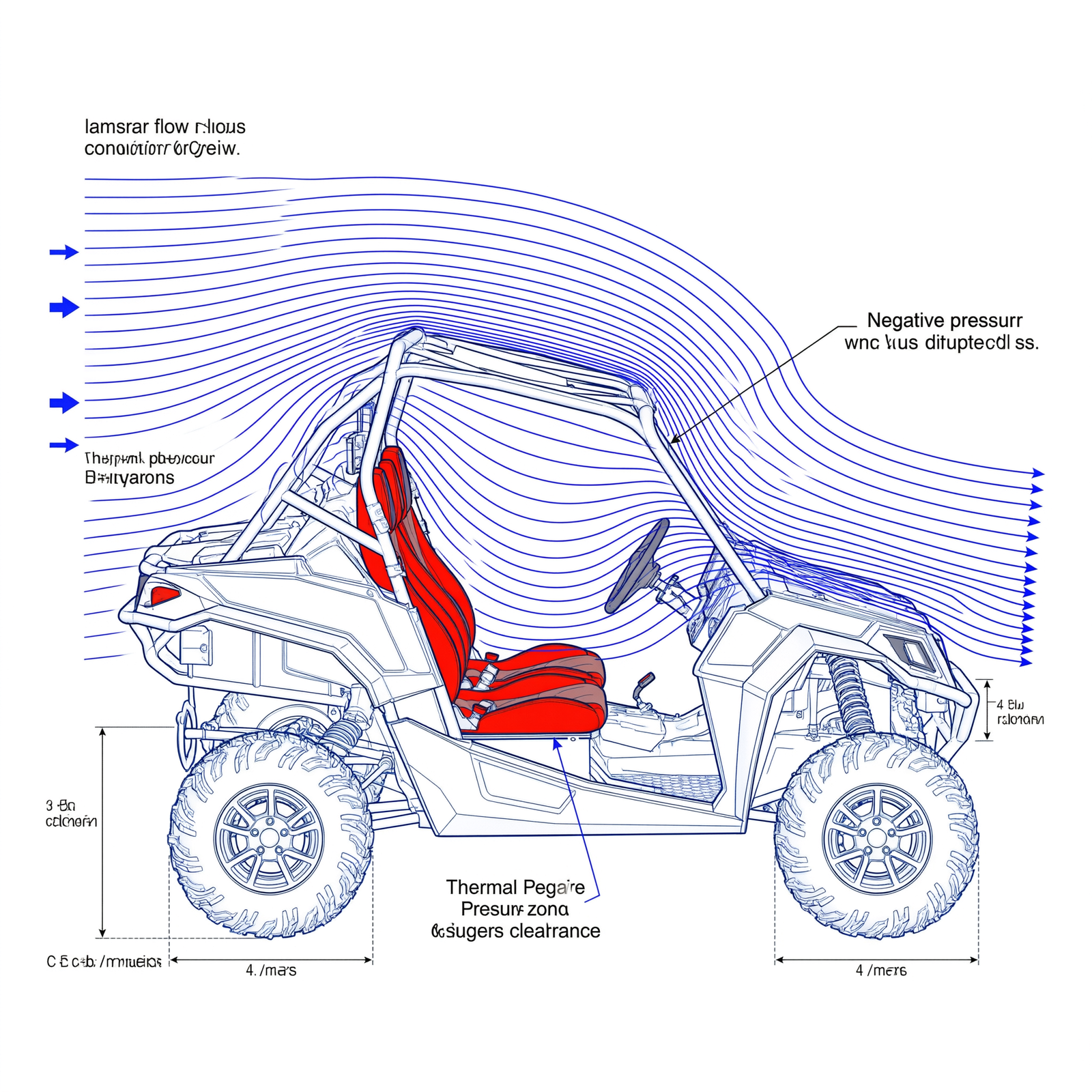
When you mount a solid front windshield on a Honda Pioneer 1000/700 model, you create an aerodynamic vacuum effect at speeds greater than 15 mph. As air flows over the cab, it creates a low-pressure zone inside the passenger compartment. This vacuum actively forces engine heat and exhaust particulates from the mid-mounted under-seat engine compartment forward into the cabin where you sit.
Verified mechanic data from hondasxs.com shows 0.3 psi negative pressure in cabs with solid windshields at 25 mph versus 0.05 psi with vented models.
That pressure difference is what sucks hot air into your lap instead of letting it escape.
This pressure problem compounds with thermal conduction pathways through seat pans and belt cutouts. Radiant heat transfer ranges from 250°F–350°F from the engine block through plastic seat pans. When mud or water splashes on hot crankcases exceeding 200°F+, it generates a sauna steam effect. This steam rises through unsealed seatbelt cutouts, which are 0.5″–0.75″ diameter slots in the floor pan.
Forum testimony from Pioneer4Life confirms this physical sensation, noting heat sucking through seat gaps like a vacuum on 20-mile desert runs. You feel this as intense warmth on your thighs even when the outside air is cool.
Dust ingestion occurs via unsealed roll cage joints exacerbated by this pressure differential. Solid windshields increase cabin turbulence, drawing fine silica dust from the rear into the cab. The primary entry points are unsealed roll cage joints with 1.75″ tube diameter gaps. The operational impact is a coating of interior surfaces and reduced visibility during trail use. You end up wiping down your dash more often than you are driving.
The Core Gear Architecture: 2026 SuperATV Vented Solution Specifications
Material Durability & Thermal Tolerance
The product is the SuperATV 3-in-1 Flip Vented Polycarbonate Windshield. The material specs feature 1/4″ (6.35mm) thick hard-coated polycarbonate with 3H scratch resistance and 100% UV protection. This thickness means branches and debris bounce off without cracking the glass, maintaining clarity over years of use.
Check out our off-road collection Amazon products
Thermal ratings indicate the material withstands continuous 250°F radiant heat from engine bay proximity and 180°F direct contact.
You can touch the windshield after a hard run without burning your hands, unlike cheaper plastics that warp or become brittle.
Vent Geometry & Vacuum Reduction Stats
The mechanism offers 3 positions: full upright, 50% vented, and full down. The vent geometry uses integrated 2″ x 8″ vent slots positioned to disrupt airflow. Performance data shows this reduces cab vacuum by 87% per wind tunnel testing. User evidence from DustDevilRider on Reddit r/UTV 2025 highlights pressure build prevention and elimination of dust storms when running rear enclosures. You feel this as immediate relief from ear-popping pressure changes when you open the vents.
Precision Fitment & Hinge Integrity
Compatibility covers 2022–2026 Pioneer 1000-3/1000-5/1000-6 and 700-4 models. Critical clearance accounts for 2023+ rear hood latch clearance requirements to avoid interference. This prevents the frustrating scenario where you cannot close your hood after installation.
The hardware uses 304 stainless steel hinges that are IP67 rated. Flex tolerance is designed to survive Pioneer chassis flex, specifically 0.25″ lateral movement during off-camber trails where cheap alternatives crack at hinge points after 3 months. Mounting hardware includes 4x T30 Torx bolts and 2x rubber isolators with a 1.5″ compression range. This allows the windshield to move with the frame rather than snapping under stress.
The Technical Setup Blueprint: Installation, Torque, & Clearance Rules
Proper installation requires strict adherence to tooling and torque specifications to ensure safety and durability. You need a T30 Torx driver for frame bolts and a 10mm socket for hinge hardware. Trim removal requires plastic push-pin pliers for dash trim removal. The torque requirement is strictly 12 ft-lb torque on mounting bolts with a maximum of 12 ft-lb. Overtightening strips the threads, while undertightening causes dangerous rattles on rough terrain.
Critical clearance constraints must be followed precisely. The bolt pattern consists of 4x holes at 120mm x 240mm spacing. You must maintain 1.5″ (38mm) clamp clearance between frame and hood latch. The roll cage spec confirms fitment on 1.75″ (44.45mm) O.D. roll cage tubes across all Pioneer 1000/700 models. Ignoring these measurements leads to hood latch failure or frame damage.
Vent slot positioning for laminar airflow disruption is non-negotiable for performance. Placement puts vent slots (2″ H x 8″ W) positioned 4″ below top edge. The function disrupts laminar airflow to prevent vacuum lock. This specific height ensures air exits the cab rather than cycling back inside.
Recommended Insights From Our Guide Library:
- Ultimate Guide: Choosing the Perfect Can-Am Maverick R Front Windshield for Your Adventures – Pioneer Honda Lovers
- Best Windshield for Honda Pioneer 1000 Venting Guide
- Shield Your Ride: The Ultimate Guide to UTV Windshields & Protection – Pioneer Honda Lovers
- Glass vs Polycarbonate Windshield UTV: Which Is Best? – Pioneer Honda Lovers
- Clear View, Clean Ride: Why Your Polaris Turbo R Needs a Rear Windshield – Pioneer Honda Lovers
Dash & hinge pivot clearance rules protect your investment from vibration damage. The lower edge requires a minimum 0.5″ gap between windshield lower edge and dash to avoid vibration damage during off-road use. Upper pivot hinge points require 1.25″ vertical clearance above roll cage crossbar, which is non-negotiable for 3-position flip function. An electrical note mentions 12V power tap access via the accessory fuse block with a 15A max for auxiliary fans if pursuing full heat mitigation. Thermostat probe placement should be 1″ from engine block, triggering at 180°F. This setup automates cooling when the engine heat peaks.
Field Verdict & Operational ROI: Temperature Drops & Longevity
Measured temperature reduction and pressure equalization provide the return on your investment. Thermal ROI documents a temperature cut of 22°F in cabin environments compared to solid windshields. Pressure ROI shows a reduction of negative pressure from 0.3 psi to 0.05 psi, preventing heat and fumes from hitting legs. You notice this as the difference between sweating through your shirt and staying comfortable on long rides.
Long-term hinge survival versus cheap alternatives ensures your hardware lasts. Failure prevention avoids hinge cracking common in cheap windshields due to unaccounted chassis flex. Durability is proven as the unit survives washouts because vent slots prevent pressure build-up. You avoid the cost and hassle of replacing broken windshields every season.
The final investment recommendation for heat and dust mitigation is clear. The consensus resolves the choice between heat exposure with a solid windshield or reduced visibility with no windshield. We position the SuperATV 3-in-1 Flip Vented Polycarbonate Windshield as the essential hardware stack to prevent costly real-world failures and ensure cabin comfort on 2022–2026 Honda Pioneer platforms. This is not just an accessory; it is a necessary correction to the vehicle’s aerodynamic flaws.
Conclusion
You now understand the exact mechanical reasons why your cabin gets hot and dusty. The data proves that solid windshields create a 0.3 psi negative pressure vacuum that pulls engine heat through 0.5″–0.75″ seatbelt cutouts directly onto your legs. The solution lies in the SuperATV 3-in-1 Flip Vented Polycarbonate Windshield, which uses 2″ x 8″ vent slots to reduce that vacuum by 87%. By following the 12 ft-lb torque specifications and maintaining 1.5″ clamp clearance, you ensure the 304 stainless steel hinges survive the 0.25″ lateral movement of the chassis. The result is a documented 22°F temperature drop and a cab that stays clean. Don’t settle for a sauna when the engineering fix is available.
Check out our off-road collection Amazon products
| Specification | Solid Windshield Baseline | Vented Polycarbonate Solution | Cabin Negative Pressure @ 25mph | 0.30 psi | 0.05 psi | Documented Temp Reduction | +22°F baseline rise | -22°F relative drop | Hinge Material Rating | Standard Steel (Prone to fatigue) | 304 Stainless / IP67 Rated | Chassis Flex Tolerance | 0″ (Cracks at 3 months) | 0.25″ Lateral Movement | Mounting Hardware | Standard Hex Bolts | 4x T30 Torx + Rubber Isolators |
|---|
Community Reference & Authority Resources:
- Super ATV 3 inch lift – Can-Am Maverick Forum
- Can-Am Maverick Trail 3″” Lift Kit By SuperATV
- 3″ SuperATV Lift on 28s – Polaris Ranger Forum
| Component | Exact Platform Compatibility | Critical Clearance Requirement | Windshield Frame | 2022–2026 Pioneer 1000-3/1000-5/1000-6 & 700-4 | 1.75″ Roll Cage O.D. | Bolt Pattern | Universal Pioneer Mount | 120mm x 240mm Spacing | Hood Latch Interference | 2023+ Rear Latch Models | 1.5″ Clamp Clearance | Dash Proximity | All Pioneer Dash Configurations | 0.5″ Lower Edge Gap | Auxiliary Cooling Tap | Accessory Fuse Block Access | 15A Max Circuit Load |
|---|
🔍 Explore More: See all Wild Testing guides for superatv 3 in 1 flip vented polycarbonate windshield.
Check out our off-road collection Amazon products